By the Numbers

Cumulative totals across our UAE operations since 2015.

7,693
Air Samples Collected
14,571
Properties Inspected
2,401
Virtual Inspections
8,526
Properties Mold Free
Our Credentials Internationally Certified and Recognised Every certification is actively maintained and verifiable. These credentials represent the knowledge and standards behind every project we deliver.
IICRC Certified FirmNADCA CertifiedACAC CMRSMICRO Certified Mold InspectorMICRO Certified Mold Remediation ContractorCRMI - Certified Residential Mold InspectorCMR - Certified Mold RemediatorCCMI - Certified Commercial Mold InspectorPMII CertifiedIAC2 Mold CertifiedIAQA Corporate MemberInterNACHI Certified Home InspectorInterNACHI Indoor Air Quality InspectorInterNACHI Certified Mold InspectorInterNACHI Moisture Intrusion InspectorIICRC Mold Remediation SpecialistNAMRI MemberIICRC Certified FirmNADCA CertifiedACAC CMRSMICRO Certified Mold InspectorMICRO Certified Mold Remediation ContractorCRMI - Certified Residential Mold InspectorCMR - Certified Mold RemediatorCCMI - Certified Commercial Mold InspectorPMII CertifiedIAC2 Mold CertifiedIAQA Corporate MemberInterNACHI Certified Home InspectorInterNACHI Indoor Air Quality InspectorInterNACHI Certified Mold InspectorInterNACHI Moisture Intrusion InspectorIICRC Mold Remediation SpecialistNAMRI Member
Trained, Tested, Vetted.

Proudly the only Mold Removal Company with Industry Certifications

A team you can trust — with real world knowledge

Not All Mold Is the Same — Know What You Are Dealing With

Different mold species produce different health effects, grow under different conditions, and require different remediation approaches. A dark patch on your wall could be harmless Cladosporium or toxic Stachybotrys — and the appropriate response is completely different for each.

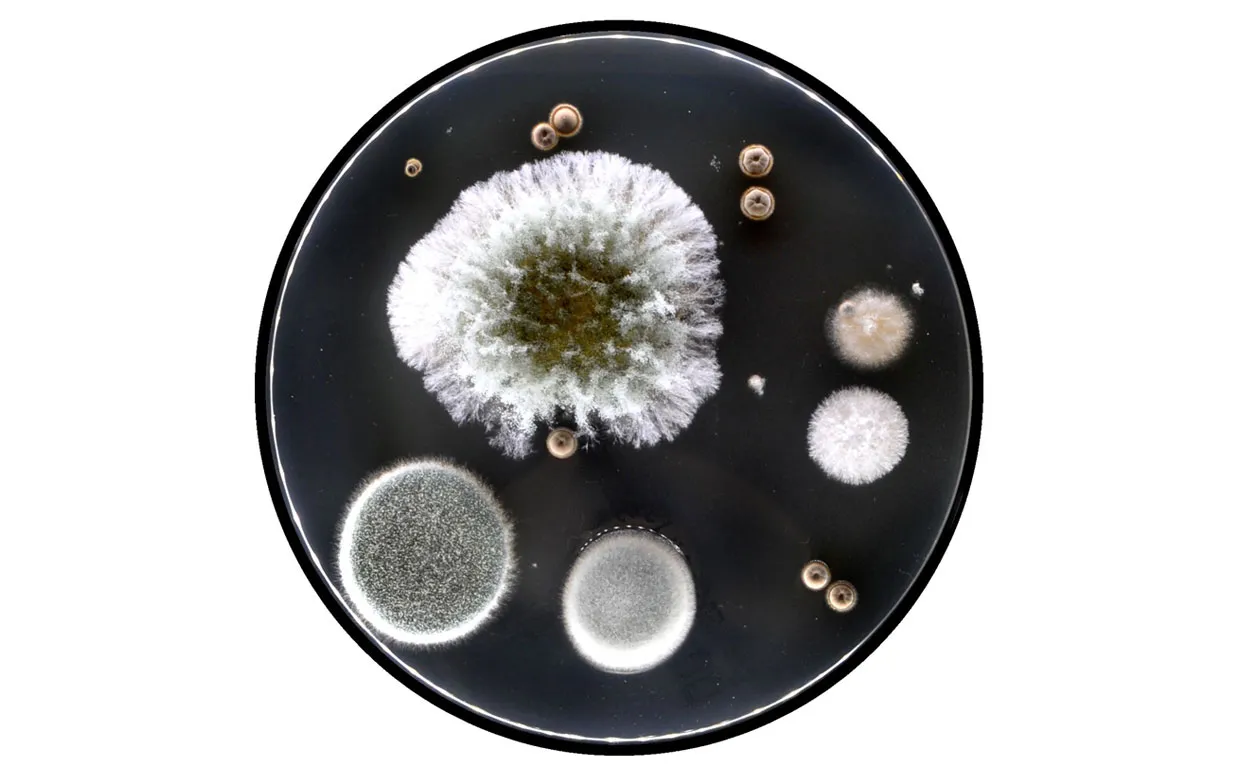
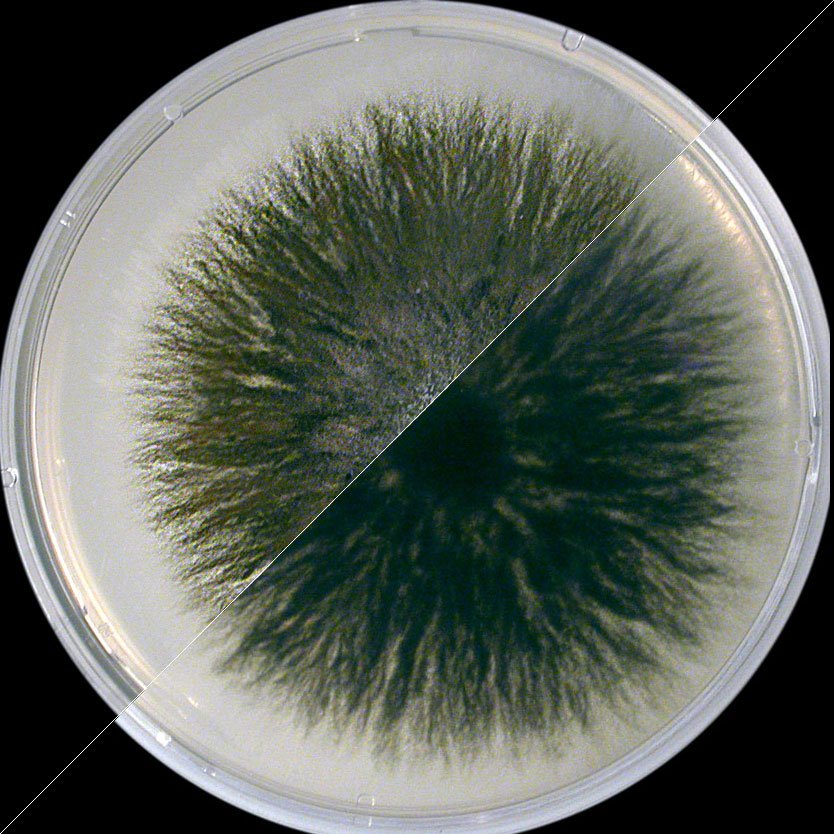
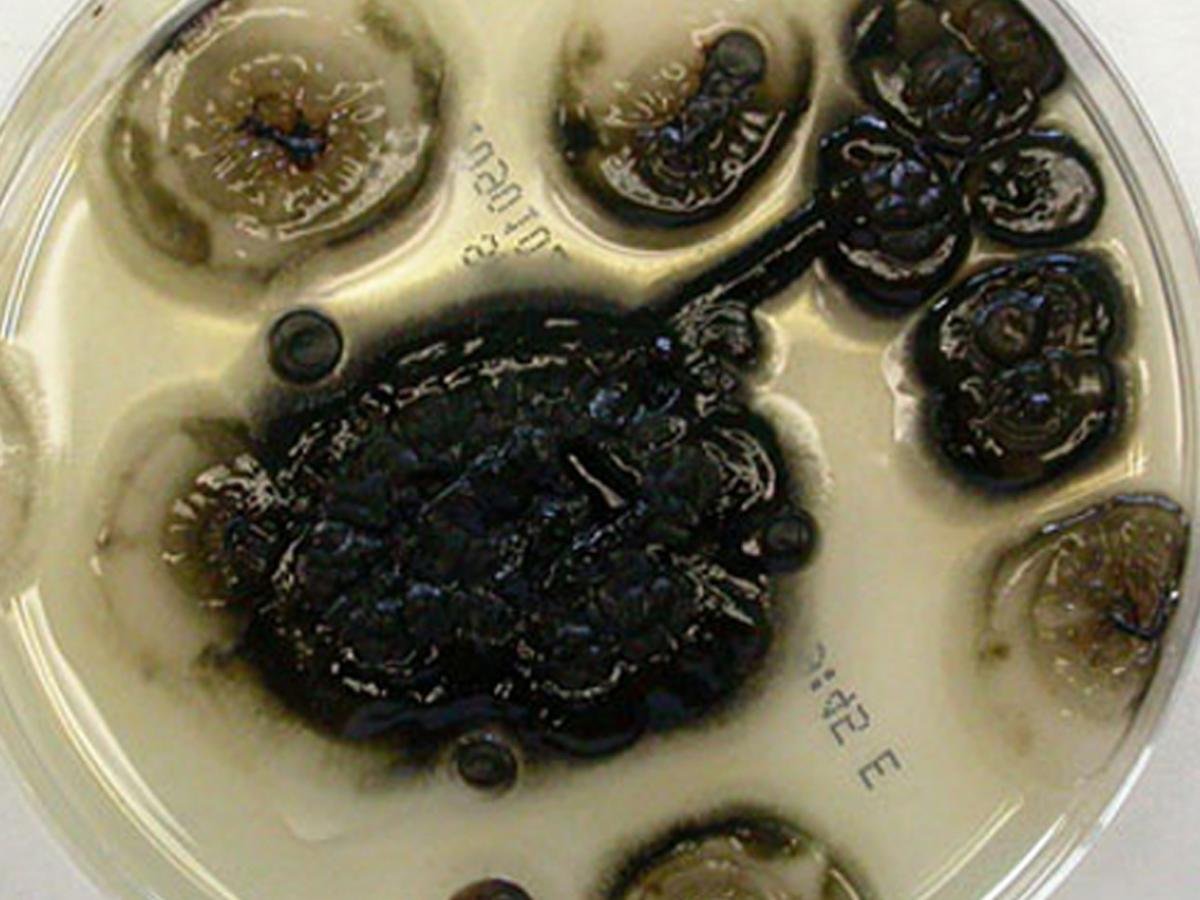
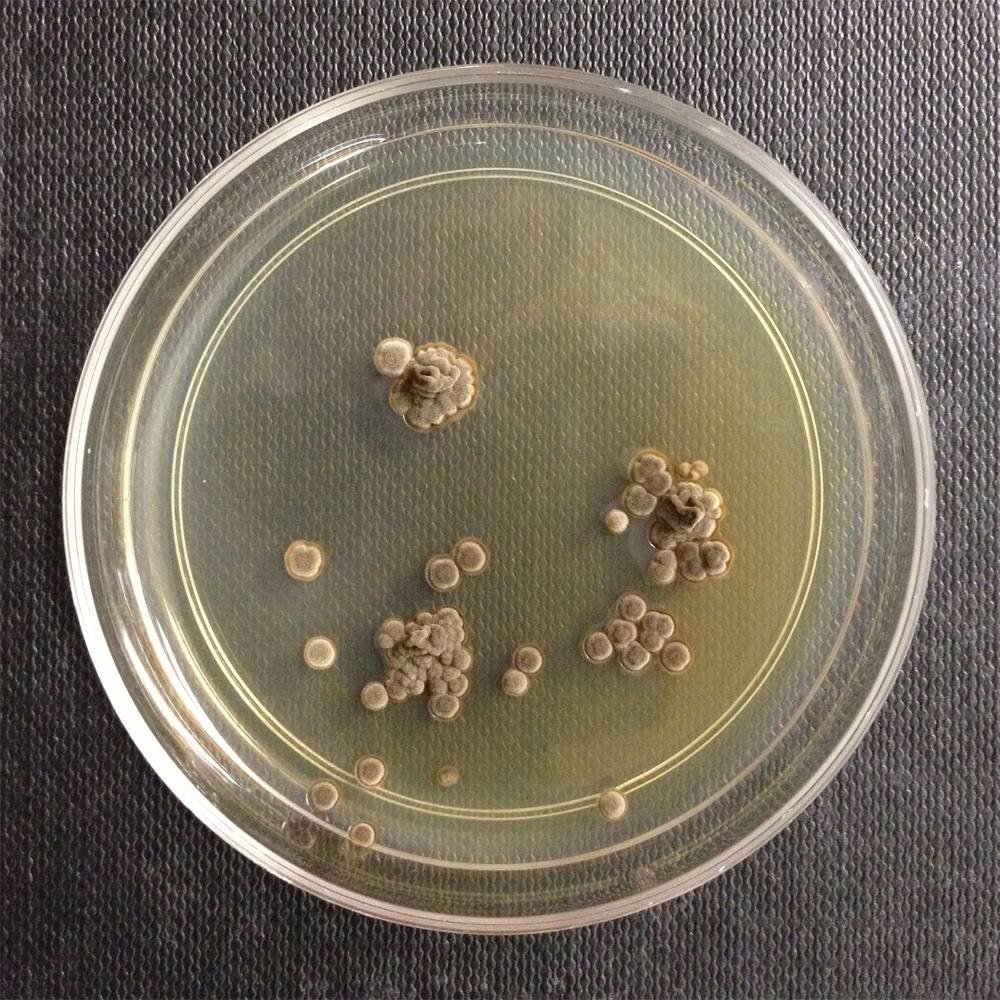
This guide covers 24 mold species commonly found indoors in the UAE. Each entry includes visual identification, growth conditions, health risks, and where it is most commonly found in Dubai buildings. Use this as a reference — but remember that definitive species identification requires laboratory analysis of air or surface samples.

Filter by Risk Level
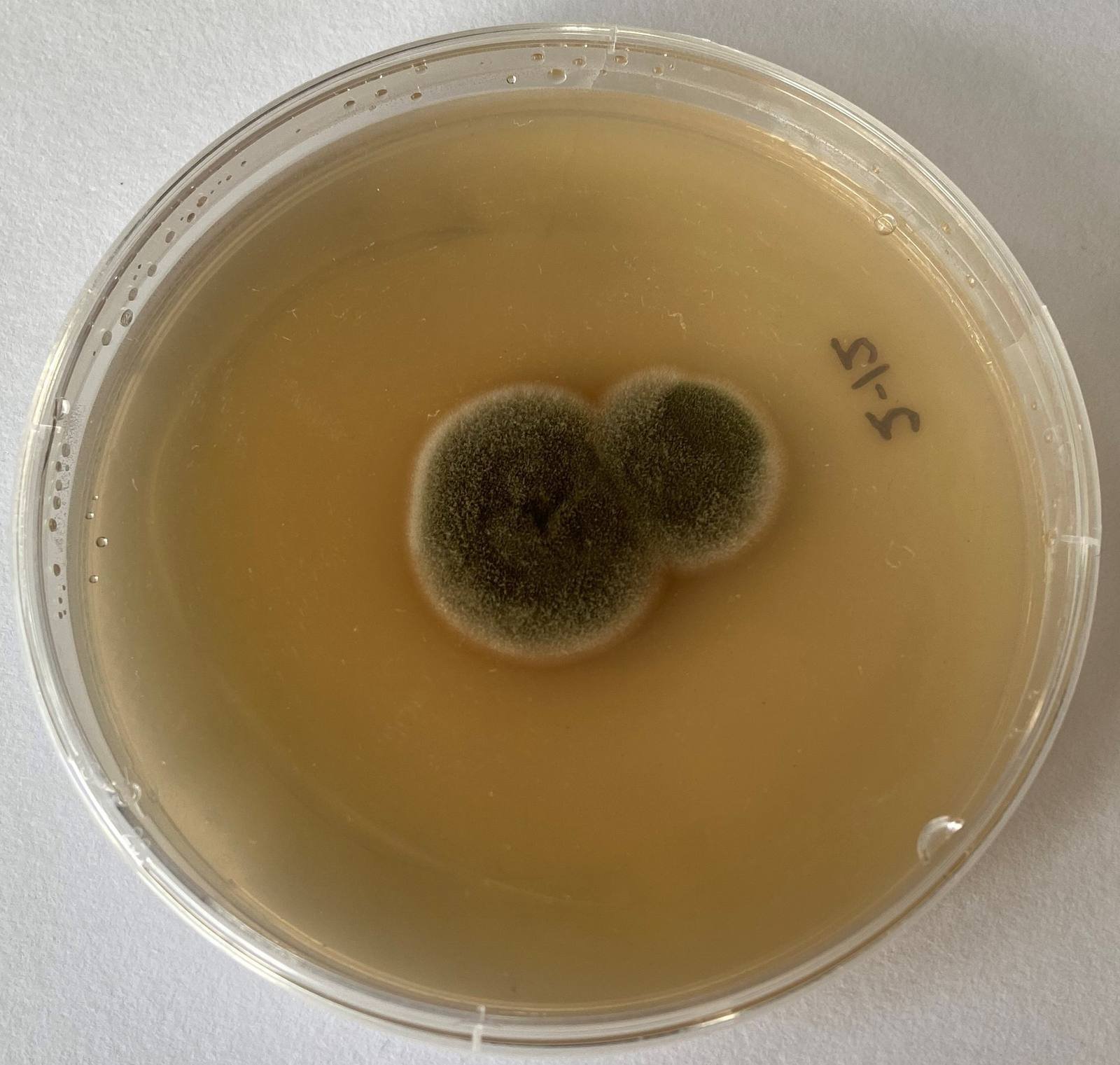
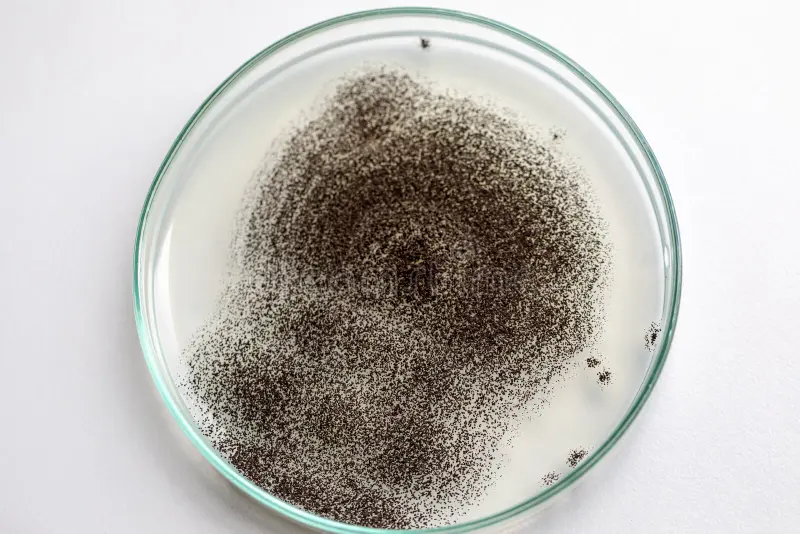
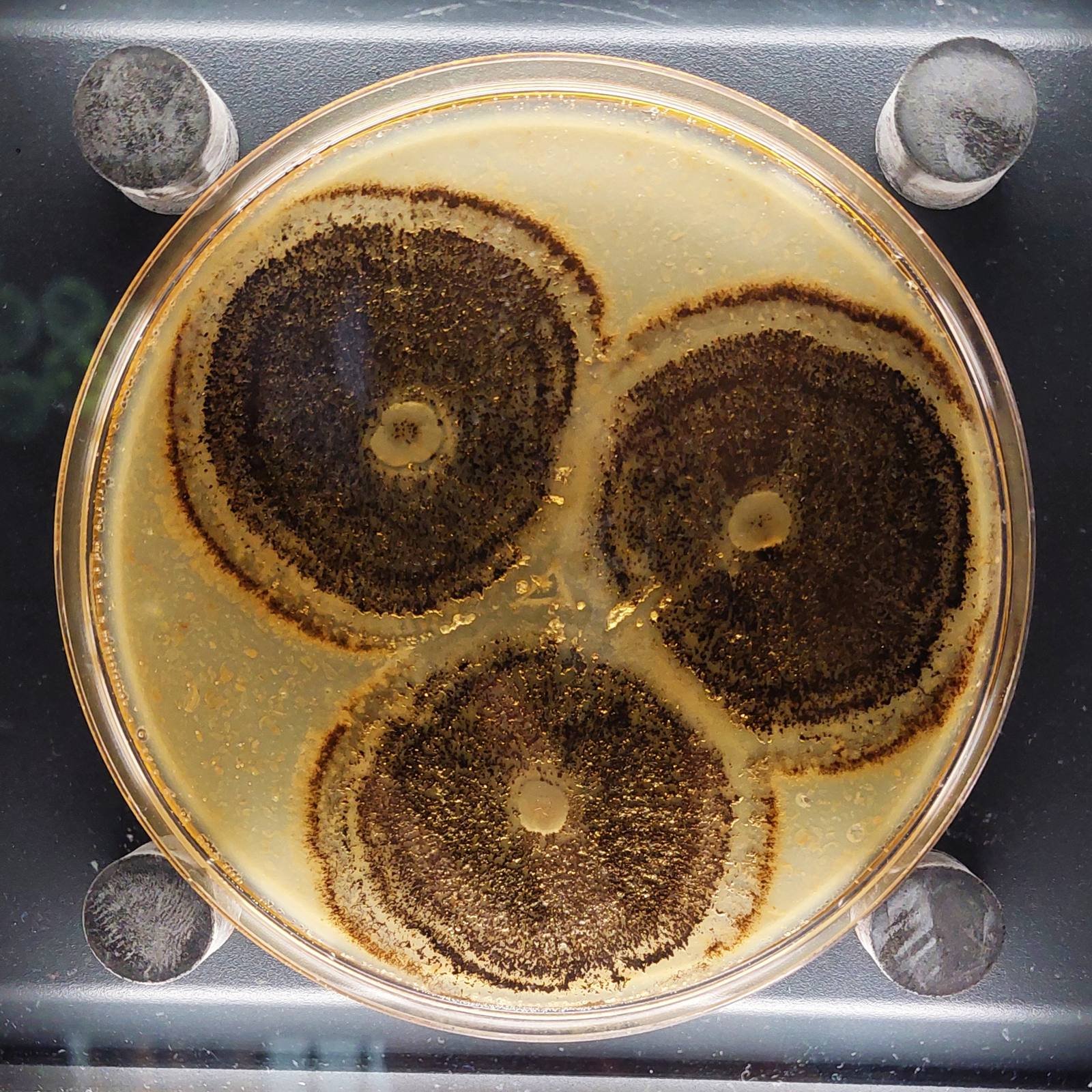
Aspergillus niger — Black Aspergillus
Aspergillus niger
High RISK

Aspergillus niger

Black Aspergillus
Colour
Black to dark brown
Texture
Powdery, granular surface
Temperature
20–40°C (optimal 35–37°C)
Humidity
Above 65% RH
Where Found
AC ducts, damp walls, bathrooms, food waste areas
Growth Speed
Fast — visible in 3–5 days
Health Impact
Allergenic. Can cause aspergillosis in immunocompromised individuals. Common cause of ear and lung infections. Produces oxalic acid that damages building materials.
Dubai and UAE Context
Very common in Dubai AC systems and bathrooms. Thrives in the warm, humid conditions typical of UAE buildings.
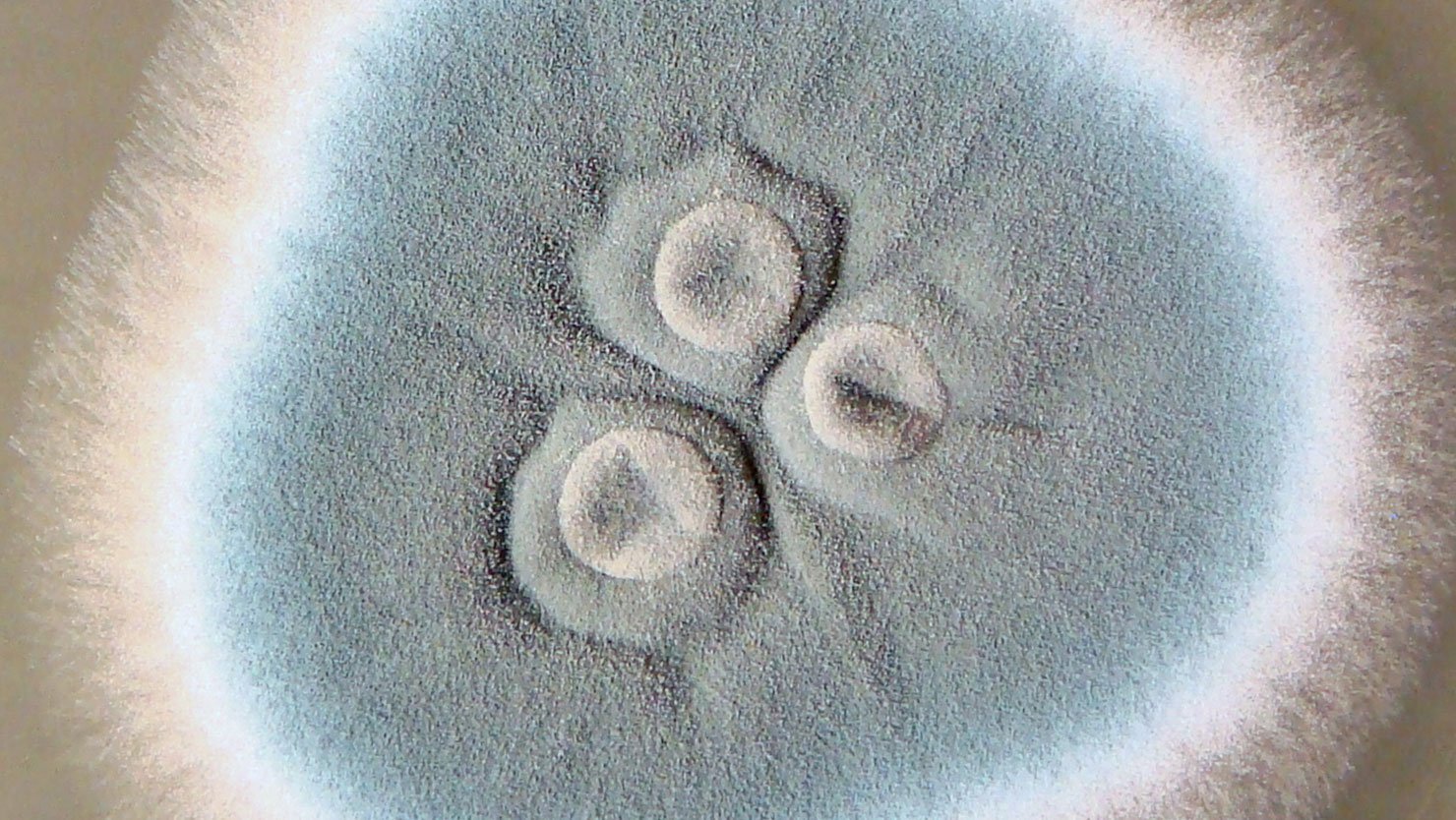
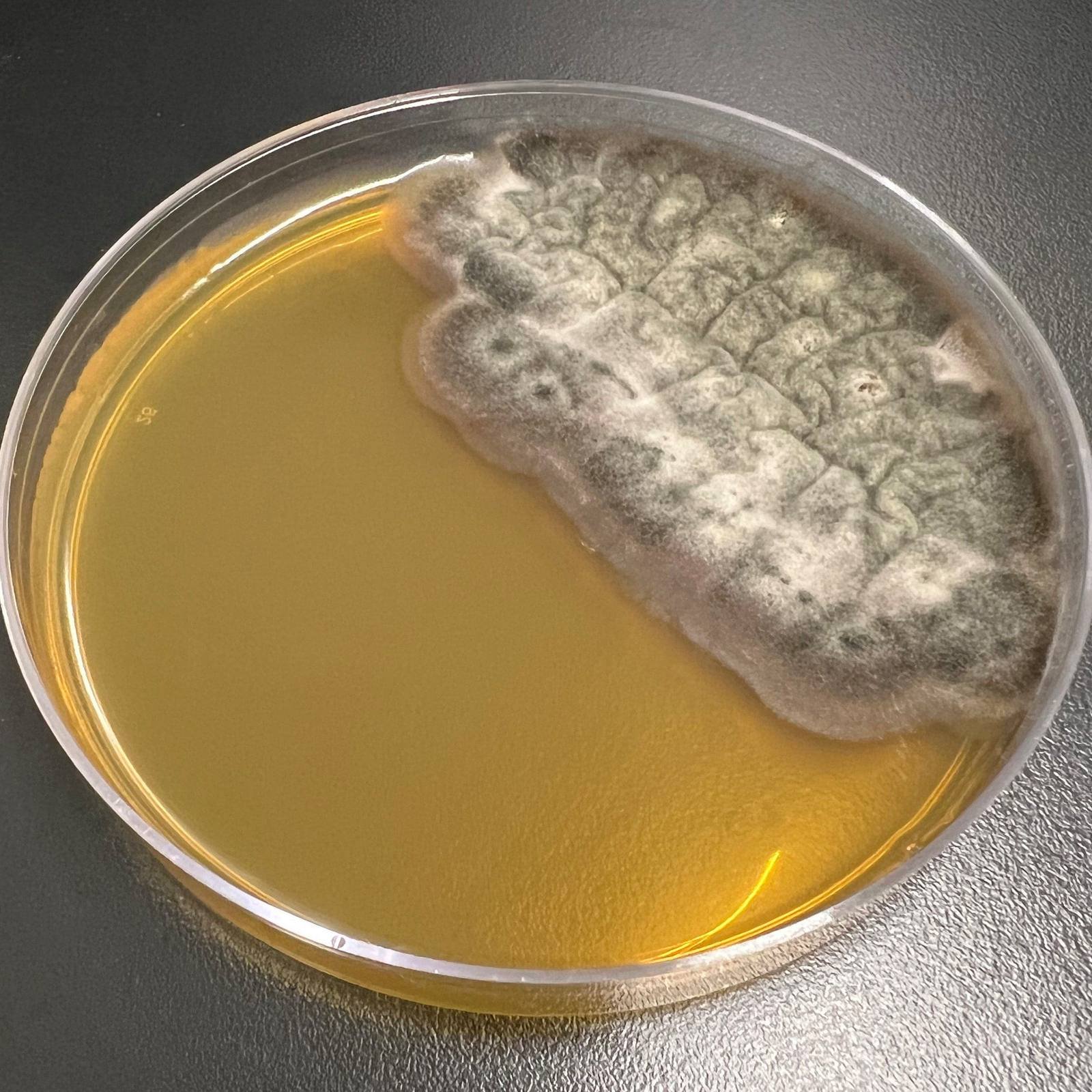
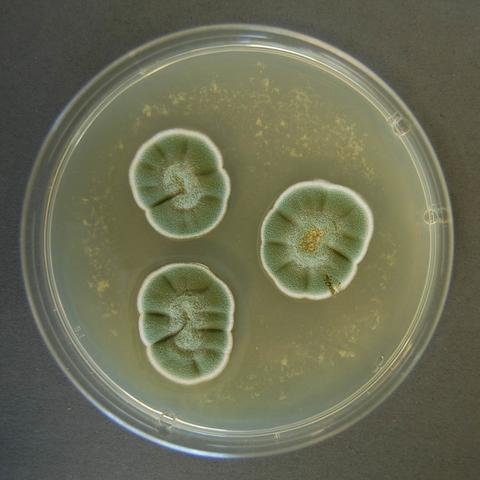
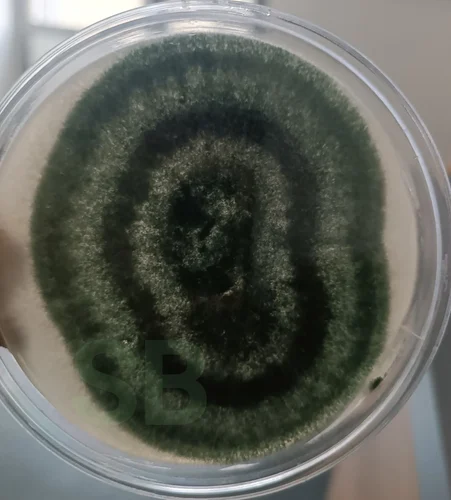
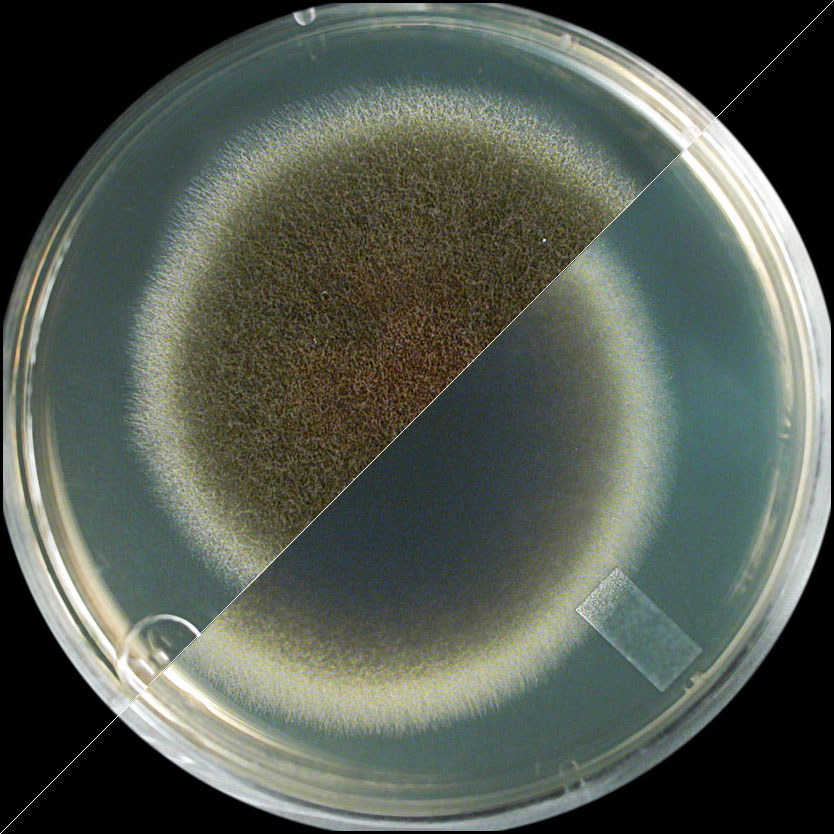
Aspergillus fumigatus — Thermotolerant Aspergillus
Aspergillus fumigatus
Very High RISK

Aspergillus fumigatus

Thermotolerant Aspergillus
Colour
Blue-green to grey
Texture
Velvety, compact colonies
Temperature
20–55°C (optimal 37°C)
Humidity
Above 70% RH
Where Found
Compost, AC systems, hospital environments, wall cavities
Growth Speed
Fast — visible in 2–4 days
Health Impact
Most dangerous Aspergillus species. Causes invasive aspergillosis — a life-threatening condition in immunocompromised individuals. Allergic bronchopulmonary aspergillosis (ABPA) in asthma patients.
Dubai and UAE Context
Found in AC ductwork and hospital HVAC systems. The high ambient temperatures in Dubai favour this thermotolerant species.
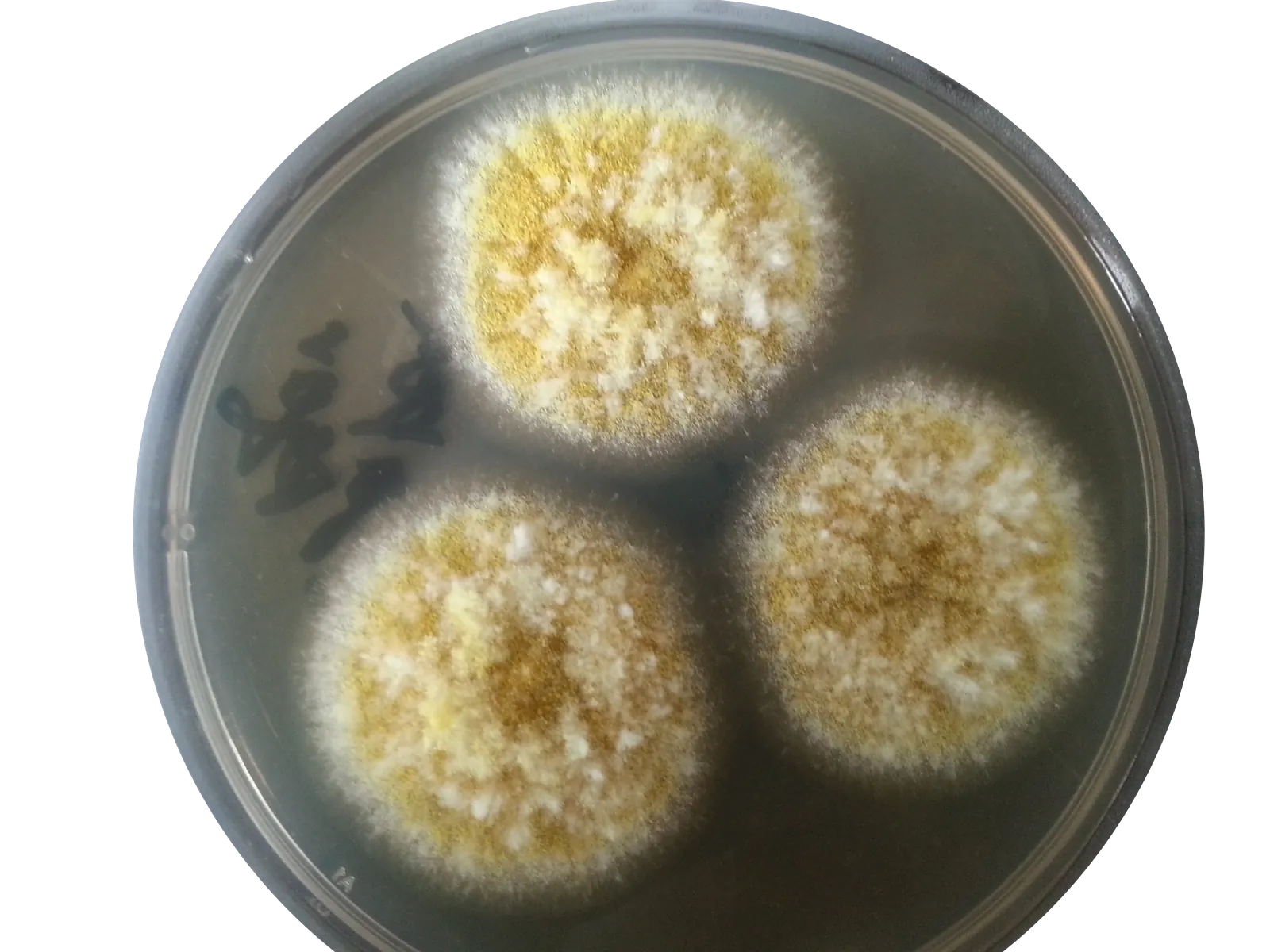
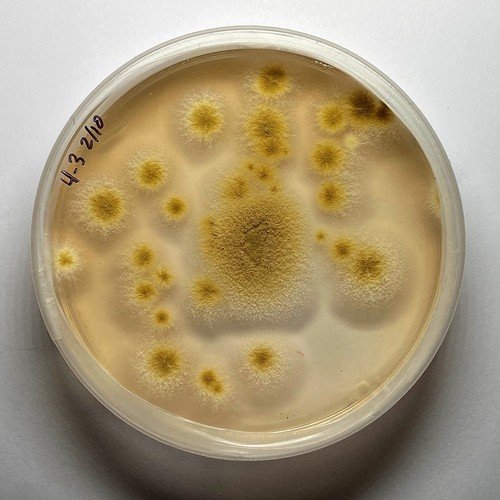
Aspergillus flavus — Yellow-Green Aspergillus
Aspergillus flavus
Very High RISK

Aspergillus flavus

Yellow-Green Aspergillus
Colour
Yellow-green to olive
Texture
Powdery, granular
Temperature
25–42°C (optimal 37°C)
Humidity
Above 70% RH
Where Found
Stored food, grains, damp building materials, soil
Growth Speed
Moderate — visible in 4–7 days
Health Impact
Produces aflatoxins — potent carcinogens classified as Group 1 by IARC. Causes liver damage. Allergenic. Can cause aspergillosis in compromised individuals.
Dubai and UAE Context
Found in kitchens, food storage areas, and buildings with water damage. Aflatoxin production is a serious concern in warm climates.
Aspergillus versicolor — Multi-coloured Aspergillus
Aspergillus versicolor
High RISK

Aspergillus versicolor

Multi-coloured Aspergillus
Colour
White, yellow, green, pink — changes colour
Texture
Velvety to powdery
Temperature
15–30°C (optimal 25°C)
Humidity
Above 75% RH
Where Found
Water-damaged drywall, wallpaper, jute carpet backing
Growth Speed
Slow to moderate — visible in 7–14 days
Health Impact
Produces sterigmatocystin — a hepatotoxic and potentially carcinogenic mycotoxin. Strong indicator of chronic water damage. Allergenic.
Dubai and UAE Context
Key water-damage indicator species. Commonly found behind wallpaper and on drywall in water-damaged Dubai apartments.
Aspergillus penicillioides — Xerophilic Aspergillus
Aspergillus penicillioides
Moderate RISK

Aspergillus penicillioides

Xerophilic Aspergillus
Colour
Green to grey-green
Texture
Powdery, slow-growing
Temperature
18–30°C
Humidity
Can grow at very low moisture — from 62% RH
Where Found
House dust, mattresses, stored textiles, low-moisture areas
Growth Speed
Very slow — weeks to become visible
Health Impact
Major allergen in house dust. Triggers asthma and allergic rhinitis. One of the 5 HERTSMI-2 species used to assess building safety for sensitive individuals.
Dubai and UAE Context
Ubiquitous in Dubai house dust. Accumulates in AC filters, mattresses, and soft furnishings.
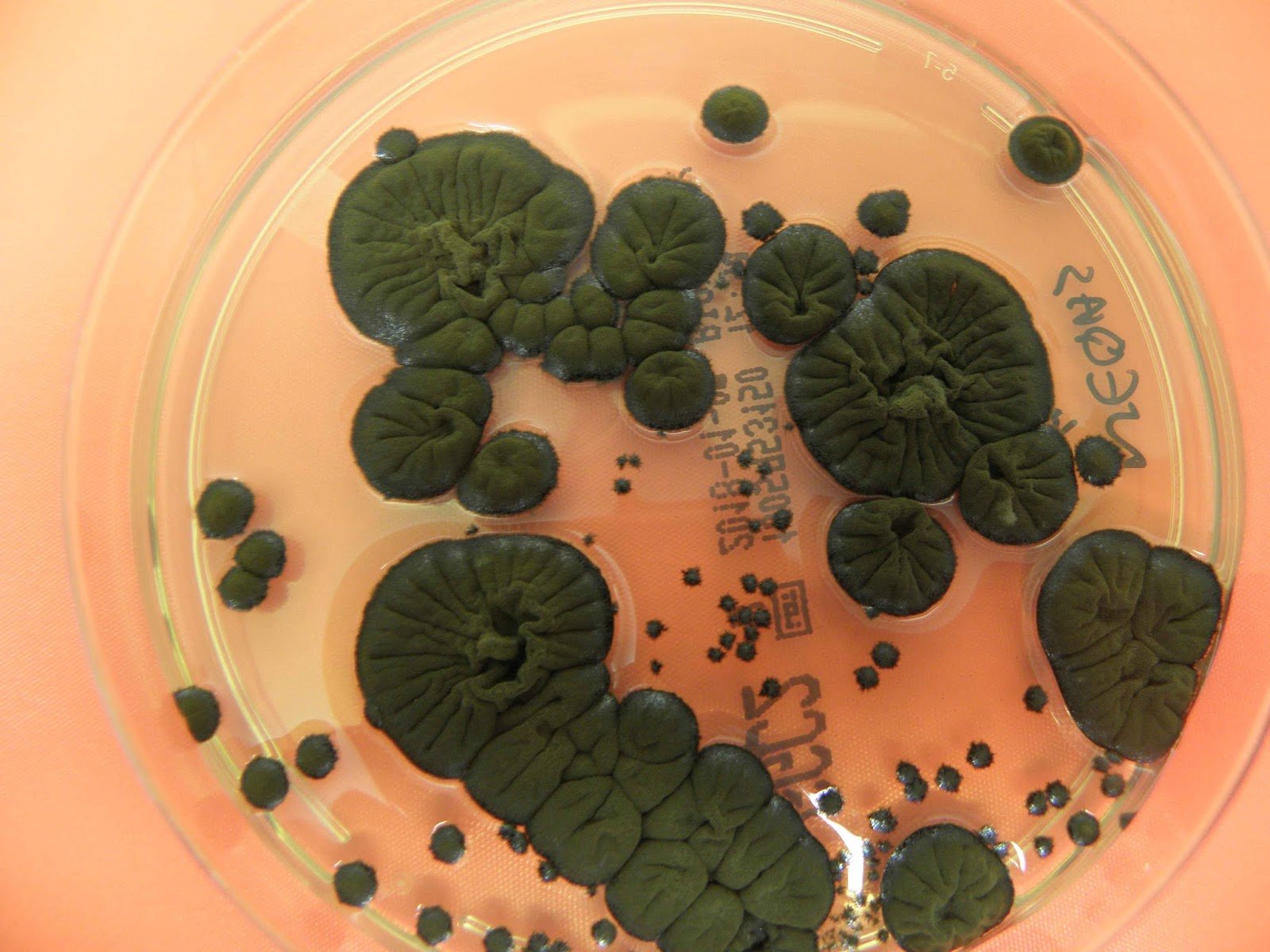
Stachybotrys chartarum — Toxic Black Mold
Stachybotrys chartarum
Critical RISK

Stachybotrys chartarum

Toxic Black Mold
Colour
Black to dark greenish-black
Texture
Slimy when wet, powdery when dry
Temperature
20–35°C (optimal 25°C)
Humidity
Above 90% RH — requires very wet conditions
Where Found
Water-damaged drywall, ceiling tiles, wood, cardboard
Growth Speed
Slow — 8–12 days to establish, requires sustained wetness
Health Impact
Produces trichothecene mycotoxins (satratoxins). Causes severe respiratory damage, immune suppression, neurological symptoms, and potential pulmonary haemorrhage in infants. WHO Group 2B potential carcinogen.
Dubai and UAE Context
Found in properties with chronic water damage — leaking pipes inside walls, AC overflow damage, flood-affected drywall. Requires sustained wetness that is common in hidden Dubai wall cavities.
Cladosporium cladosporioides — Common Cladosporium
Cladosporium cladosporioides
Moderate RISK

Cladosporium cladosporioides

Common Cladosporium
Colour
Olive green to dark brown/black
Texture
Velvety, suede-like
Temperature
0–35°C (optimal 18–28°C)
Humidity
Above 60% RH
Where Found
Bathroom tiles, window frames, textiles, painted surfaces
Growth Speed
Moderate — visible in 5–10 days
Health Impact
Major outdoor and indoor allergen. Triggers hay fever, asthma, and sinusitis. Can grow at lower temperatures than most molds. Rarely causes deep infections.
Dubai and UAE Context
The most common mold found outdoors in Dubai. Enters buildings through open doors, windows, and HVAC fresh air intakes.
Cladosporium sphaerospermum — Water-damage Cladosporium
Cladosporium sphaerospermum
Moderate RISK

Cladosporium sphaerospermum

Water-damage Cladosporium
Colour
Dark olive to black
Texture
Velvety
Temperature
5–35°C
Humidity
Above 70% RH
Where Found
Damp painted surfaces, bathroom ceilings, window sills
Growth Speed
Moderate
Health Impact
Allergenic. Indicator of sustained moisture on building surfaces. More strongly associated with water damage than C. cladosporioides.
Dubai and UAE Context
Common on bathroom ceilings and around window frames in Dubai apartments — areas where condensation is persistent.
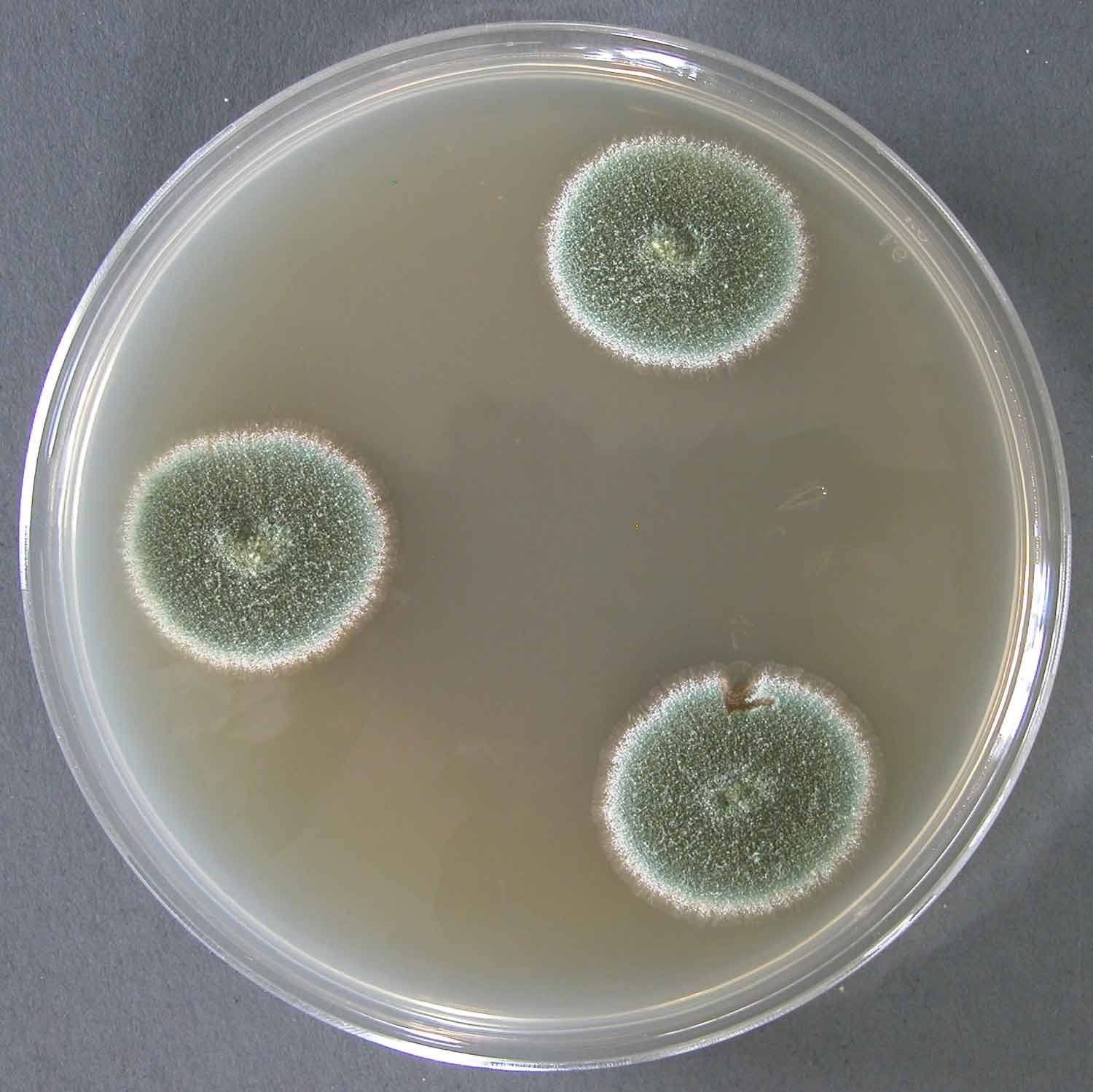
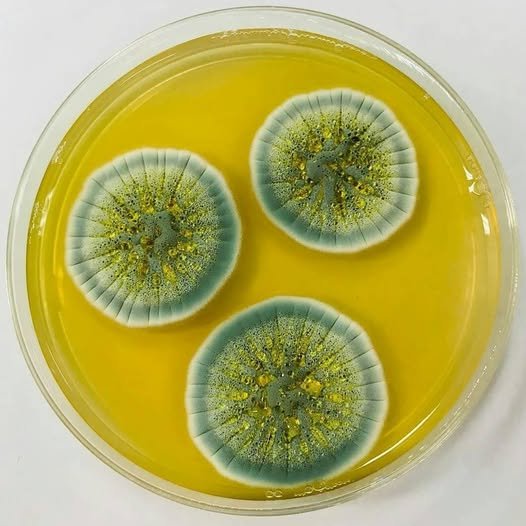
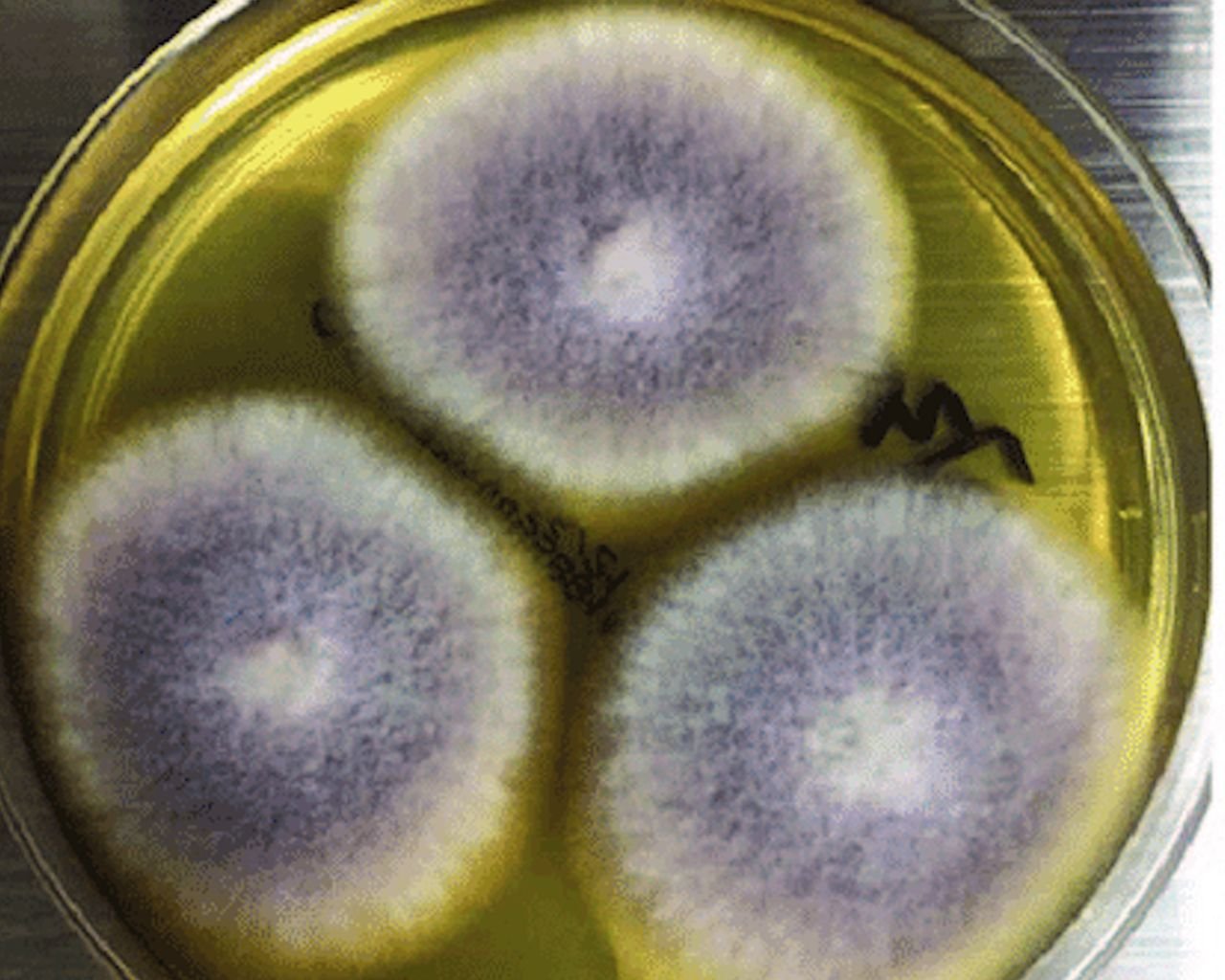
Penicillium chrysogenum — Blue-Green Penicillium
Penicillium chrysogenum
Moderate RISK

Penicillium chrysogenum

Blue-Green Penicillium
Colour
Blue-green with white border
Texture
Velvety to powdery
Temperature
5–37°C (optimal 23°C)
Humidity
Above 65% RH
Where Found
Damp wallpaper, carpet, mattresses, food
Growth Speed
Fast — visible in 3–5 days
Health Impact
Allergenic. Produces penicillin — can cause allergic reactions in penicillin-sensitive individuals. Produces MVOCs responsible for musty odours. Common cause of allergic rhinitis.
Dubai and UAE Context
Very common in Dubai homes — found in damp carpets, behind furniture on external walls, and in wardrobes.
Penicillium brevicompactum — Compact Penicillium
Penicillium brevicompactum
High RISK

Penicillium brevicompactum

Compact Penicillium
Colour
Blue-green
Texture
Velvety, compact colonies
Temperature
10–30°C
Humidity
Above 70% RH
Where Found
Carpet dust, decaying plant material, damp paper
Growth Speed
Moderate
Health Impact
Produces mycophenolic acid — an immunosuppressant. Allergenic. Water-damage indicator species.
Dubai and UAE Context
Found in water-damaged buildings. The immunosuppressive mycotoxin production makes this species particularly concerning in homes with children or elderly residents.
Chaetomium globosum — Cellulose Decomposer
Chaetomium globosum
High RISK

Chaetomium globosum

Cellulose Decomposer
Colour
White initially, darkening to olive-grey
Texture
Cottony, producing dark perithecia
Temperature
16–35°C (optimal 25–30°C)
Humidity
Above 85% RH
Where Found
Water-damaged drywall paper, cardboard, wood
Growth Speed
Moderate — requires sustained wetness
Health Impact
Produces chaetoglobosins — cytotoxic mycotoxins. Strong indicator of active water damage. Allergenic. Can cause nail infections. HERTSMI-2 species.
Dubai and UAE Context
Found behind water-damaged drywall. Its presence confirms active or recent water intrusion — always requires professional remediation.
Alternaria alternata — Common Alternaria
Alternaria alternata
Moderate RISK

Alternaria alternata

Common Alternaria
Colour
Dark brown to black
Texture
Velvety to woolly, large spores
Temperature
2–32°C (optimal 25–28°C)
Humidity
Above 65% RH
Where Found
Window frames, bathroom tiles, damp textiles, outdoor plants
Growth Speed
Moderate — visible in 5–7 days
Health Impact
One of the most significant outdoor allergens worldwide. Major trigger for allergic rhinitis, asthma, and hypersensitivity pneumonitis. Can cause skin and eye infections in immunocompromised individuals.
Dubai and UAE Context
Common on window frames and shower curtains. Enters buildings from outdoor air — especially during windy periods.
Aureobasidium pullulans — Black Yeast
Aureobasidium pullulans
Moderate RISK

Aureobasidium pullulans

Black Yeast
Colour
Pink-white initially, darkening to black
Texture
Yeast-like, slimy
Temperature
2–35°C
Humidity
Above 70% RH
Where Found
Window frames, caulking, painted surfaces, bathroom sealant
Growth Speed
Moderate to fast
Health Impact
Allergenic. Triggers hypersensitivity pneumonitis. Common cause of eye, skin, and nail infections. Found frequently on silicone sealants in bathrooms.
Dubai and UAE Context
Very common on bathroom sealants and window caulking in Dubai. Thrives on silicone surfaces that other molds cannot colonise.
Wallemia sebi — Xerophilic Food Mold
Wallemia sebi
Moderate RISK

Wallemia sebi

Xerophilic Food Mold
Colour
Orange-brown to dark brown
Texture
Powdery, granular
Temperature
10–35°C
Humidity
Can grow from 62% RH — extremely xerophilic
Where Found
Dust, carpets, dried food, low-moisture areas
Growth Speed
Very slow
Health Impact
Allergenic. Triggers IgE-mediated immune responses. HERTSMI-2 species — indicates overall mold burden. Can grow in very dry conditions where other molds cannot.
Dubai and UAE Context
Present in house dust in most Dubai properties. Its ability to grow at low humidity makes it one of the few species that can thrive even in well-air-conditioned spaces.
Trichoderma viride — Green Trichoderma
Trichoderma viride
High RISK

Trichoderma viride

Green Trichoderma
Colour
White to bright green
Texture
Cottony, fluffy
Temperature
15–35°C (optimal 25–30°C)
Humidity
Above 80% RH
Where Found
Wet wood, damp drywall, water-damaged buildings
Growth Speed
Fast — visible in 3–5 days
Health Impact
Produces trichodermin and gliotoxin — both immunosuppressive. Aggressive cellulose decomposer that damages building materials rapidly. Allergenic.
Dubai and UAE Context
Found in severely water-damaged buildings. Often co-occurs with Stachybotrys. A strong indicator that building materials need replacement, not just cleaning.
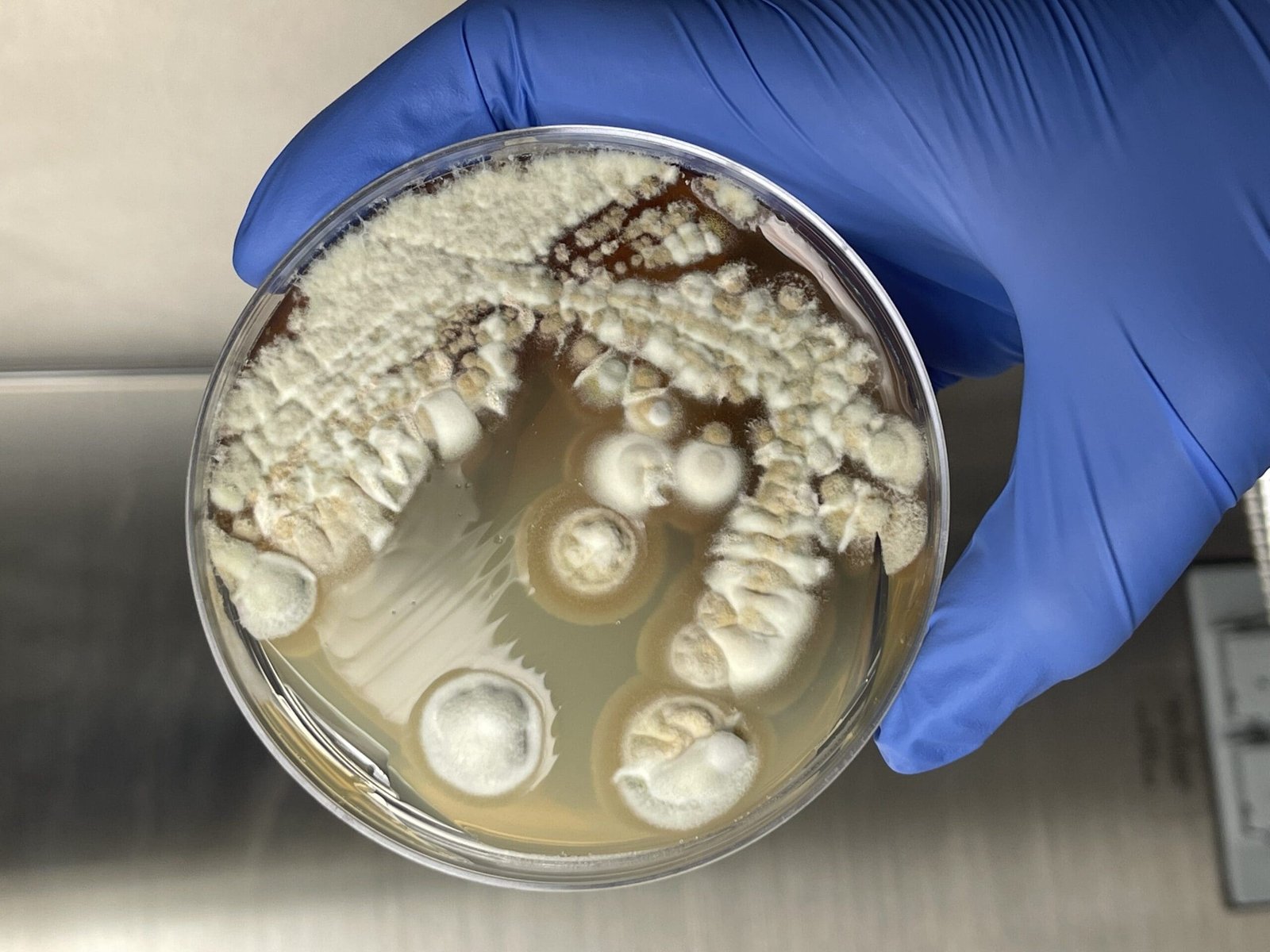
Mucor racemosus — Pin Mold
Mucor racemosus
High (immunocompromised) RISK

Mucor racemosus

Pin Mold
Colour
White to grey
Texture
Cottony, rapid-spreading
Temperature
10–40°C
Humidity
Above 80% RH
Where Found
Food, soil, decaying organic matter, damp building materials
Growth Speed
Very fast — visible in 1–3 days
Health Impact
Can cause mucormycosis (zygomycosis) — a rapidly invasive, often fatal fungal infection in immunocompromised individuals. Particularly dangerous for diabetic patients.
Dubai and UAE Context
Found in food waste areas and severely water-damaged buildings. The risk is primarily to immunocompromised residents.
Rhizopus stolonifer — Black Bread Mold
Rhizopus stolonifer
Moderate to High RISK

Rhizopus stolonifer

Black Bread Mold
Colour
White cottony mycelium with black sporangia
Texture
Cottony, whisker-like
Temperature
15–35°C
Humidity
Above 75% RH
Where Found
Food, fruit, damp paper, building materials
Growth Speed
Very fast — visible in 1–2 days
Health Impact
Allergenic. Can cause mucormycosis in immunocompromised patients. Common food contaminant. Produces organic acids that corrode surfaces.
Dubai and UAE Context
Common food spoilage mold. Found in kitchens, pantries, and areas where food waste accumulates.
Scopulariopsis brevicaulis — Arsenic Mold
Scopulariopsis brevicaulis
Moderate RISK

Scopulariopsis brevicaulis

Arsenic Mold
Colour
White to brown
Texture
Powdery, granular
Temperature
15–35°C
Humidity
Above 75% RH
Where Found
Water-damaged wallpaper, plaster, soil, nails
Growth Speed
Moderate
Health Impact
Produces arsine gas from arsenic-containing materials (old wallpapers). Can cause nail infections (onychomycosis). Water-damage indicator species.
Dubai and UAE Context
Found on water-damaged plaster walls and behind wallpaper. Less common than Aspergillus or Penicillium but significant when present.
Epicoccum nigrum — Epicoccum
Epicoccum nigrum
Low to Moderate RISK

Epicoccum nigrum

Epicoccum
Colour
Yellow, orange, red, or brown
Texture
Woolly, fluffy
Temperature
5–30°C
Humidity
Above 65% RH
Where Found
Outdoor plants, soil, paper, textiles
Growth Speed
Moderate
Health Impact
Allergenic. Common outdoor mold that enters buildings through ventilation. Triggers allergic rhinitis and asthma. Common outdoor-origin species (not specifically water-damage).
Dubai and UAE Context
Primarily an outdoor mold in Dubai. Elevated indoor levels suggest poor HVAC filtration or excessive outdoor air infiltration.
Fusarium solani — Fusarium
Fusarium solani
High (immunocompromised) RISK

Fusarium solani

Fusarium
Colour
White, pink, salmon, or purple
Texture
Cottony, colourful
Temperature
15–35°C
Humidity
Above 75% RH
Where Found
Soil, plants, humidifiers, water-damaged carpet
Growth Speed
Moderate
Health Impact
Produces fumonisins and trichothecene mycotoxins. Can cause eye infections (keratitis), skin infections, and disseminated infections in immunocompromised patients. Allergenic.
Dubai and UAE Context
Found in water-damaged carpets and humidifier reservoirs. Can contaminate water-based systems.
Ulocladium chartarum — Ulocladium
Ulocladium chartarum
Moderate RISK

Ulocladium chartarum

Ulocladium
Colour
Dark brown to black
Texture
Velvety
Temperature
15–30°C
Humidity
Above 80% RH
Where Found
Water-damaged paper, drywall, jute carpet backing
Growth Speed
Slow to moderate
Health Impact
Allergenic. Strong water damage indicator. Often confused with Stachybotrys or Alternaria due to similar appearance. Requires laboratory identification.
Dubai and UAE Context
Found in water-damaged buildings alongside other cellulose-decomposing molds. Common outdoor species, but indicates water damage when elevated indoors.
Paecilomyces variotii — Paecilomyces
Paecilomyces variotii
High (immunocompromised) RISK

Paecilomyces variotii

Paecilomyces
Colour
Yellow-brown to olive
Texture
Powdery, flat colonies
Temperature
10–50°C (thermotolerant)
Humidity
Above 70% RH
Where Found
Compost, soil, damp building materials, HVAC systems
Growth Speed
Moderate to fast
Health Impact
Can cause hyalohyphomycosis — invasive fungal infections in immunocompromised patients. Allergenic. Water-damage indicator species. Thermotolerant — survives high temperatures.
Dubai and UAE Context
Thermotolerance makes this species well-suited to Dubai conditions. Found in AC systems and compost-rich soil around buildings.
Acremonium strictum — Acremonium
Acremonium strictum
Low to Moderate RISK

Acremonium strictum

Acremonium
Colour
White, grey, or pink
Texture
Moist, compact colonies
Temperature
15–35°C
Humidity
Above 75% RH
Where Found
Damp drywall, window sills, humidifiers, HVAC drip pans
Growth Speed
Slow
Health Impact
Allergenic. Can cause mycetoma and infections in immunocompromised individuals. Often found alongside other mold species in water-damaged areas.
Dubai and UAE Context
Found on window sills and in AC drain pans. Usually appears as a secondary coloniser after initial water damage.
Eurotium (Aspergillus) amstelodami — Xerophilic Eurotium
Eurotium (Aspergillus) amstelodami
Low to Moderate RISK

Eurotium (Aspergillus) amstelodami

Xerophilic Eurotium
Colour
Yellow-green
Texture
Powdery with yellow cleistothecia
Temperature
10–35°C
Humidity
Can grow from 62% RH — highly xerophilic
Where Found
Stored food, leather, textiles, low-moisture environments
Growth Speed
Very slow
Health Impact
Allergenic. Produces gliotoxin in some conditions. Found in house dust and stored goods. Water-damage indicator species.
Dubai and UAE Context
Common in stored textiles, leather goods, and wardrobes. One of the few molds that can establish at the relatively low humidity maintained by efficient AC systems.

Laboratory Testing Is the Only Way to Know

Visual identification can narrow the possibilities, but definitive species identification requires MSQPCR or microscopy analysis by an accredited laboratory. Our testing identifies the exact species present and their concentration.

Certified Mold Specialists — Dubai
Let’s Make Your Property Certified Mold-Free

Expert Mold Advice

Tell us about your mold issue and we’ll arrange a mold consultation within 24 hours. No sales pressure — just honest expert advice from Dubai’s most certified mold team.

Full Name
Zeeshan Shabbir — IICRC Certified Mold Remediation Specialist
Reviewed by
Zeeshan Shabbir
IICRC Certified Mold Remediation Specialist · ACAC Certified · IAC2 Certified
View LinkedIn profile
Calculate Mold Risk