🔬
What Is Mold?
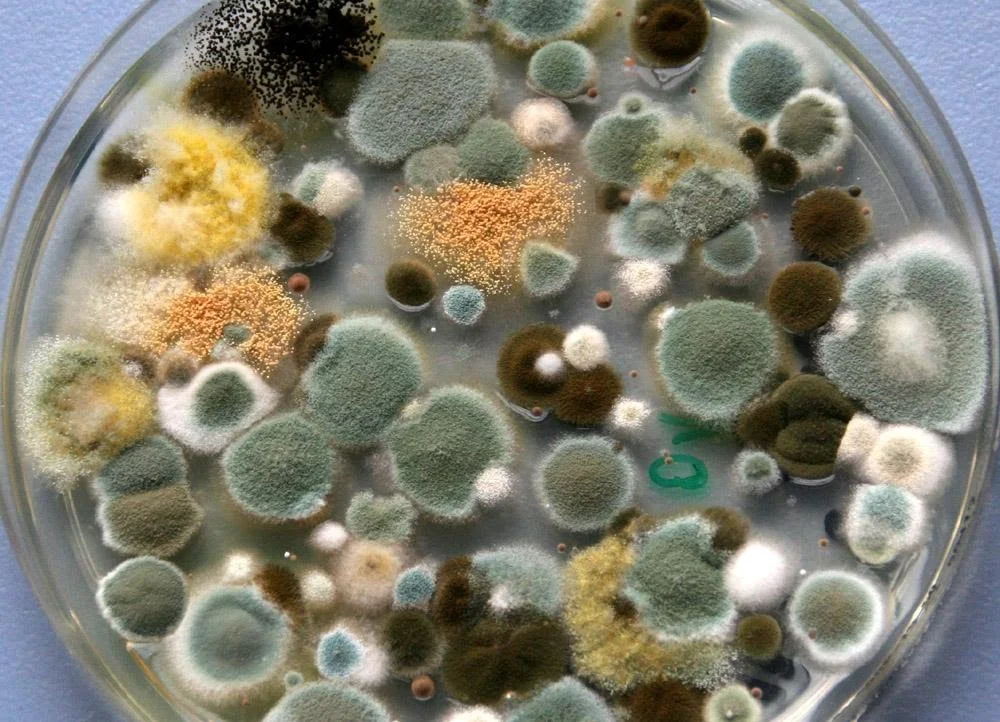
The science behind mold: fungi biology, spore dispersal, and why Dubai properties are especially vulnerable
Read Guide →Dubai's unique climate — 40°C+ heat, 80%+ humidity, and AC-dependent buildings — creates ideal conditions for mold. This resource centre covers what mold is, how it grows, health effects, and every mold type found in UAE homes.
Cumulative totals across our UAE operations since 2015.


Proudly the only Mold Removal Company with Industry Certifications
A team you can trust — with real world knowledge
Dubai's unique climate creates conditions that most buildings around the world never face: extreme heat pushing AC systems to work continuously, creating cold surfaces inside warm humid apartments — the perfect environment for condensation and mold growth. Understanding how mold works is the first step to protecting your property and your family. Every resource below is written by certified mold specialists with direct UAE field experience.
Mold requires all four conditions simultaneously. Remove any one, and mold cannot establish or survive.
Mold grows in any temperature comfortable for humans. Dubai's year-round warmth — both outdoors and in air-conditioned interiors — means temperature is never a limiting factor. Mold growth accelerates above 25°C, which is the ambient condition inside most Dubai wall cavities during summer.
Mold spores begin germinating when relative humidity exceeds 60% at the substrate surface. Dubai's outdoor humidity regularly reaches 80–95% from June to September, and any building envelope weakness allows this moisture-laden air to infiltrate and condense on cool interior surfaces — creating ideal mold conditions in hidden cavities.
Inadequate air circulation allows moisture to accumulate on surfaces and prevents drying. Dubai buildings rely almost entirely on mechanical HVAC for ventilation. When fresh air delivery is restricted — a common energy-saving measure — indoor humidity climbs, condensation forms, and mold establishes in the stagnant pockets behind furniture, inside wardrobes, and within ceiling voids.
Mold feeds on organic materials: drywall paper facing, timber framing, carpet fibres, fabric, dust, adhesives, and even the thin organic film that accumulates on painted surfaces. Every Dubai building contains abundant organic substrate. The only variable is whether moisture reaches it — and in Dubai's climate, the probability is high.
Mold exposure affects health through three primary mechanisms: allergic reactions triggered by inhaling mold spores, irritant responses from direct contact with mold or its metabolic byproducts (MVOCs), and in severe cases, toxic effects from mycotoxins produced by certain species such as Stachybotrys chartarum (black mold).
Persistent sneezing, runny or blocked nose, itchy or watery eyes, dry cough, throat irritation, skin rashes, and headaches — symptoms that often worsen when inside the affected building and improve when away from it. In Dubai, these symptoms are frequently attributed to dust, allergies, or air conditioning rather than mold — delaying intervention while exposure continues.
Children — developing respiratory systems are more susceptible to sensitisation, and early mold exposure is linked to increased asthma risk. Elderly residents — reduced immune function increases vulnerability to respiratory infections triggered by mold. Asthma and allergy sufferers — mold spores are a potent trigger for acute asthma attacks and allergic rhinitis flares. Immunocompromised individuals — at risk of invasive fungal infections (aspergillosis) from species like Aspergillus that are common in Dubai buildings.
Chronic mold exposure is associated with the development of new-onset asthma in previously healthy individuals, hypersensitivity pneumonitis (an inflammatory lung condition), chronic fatigue, and persistent respiratory infection susceptibility. The longer the exposure duration, the greater the cumulative health impact — which is why early detection and intervention is critical.
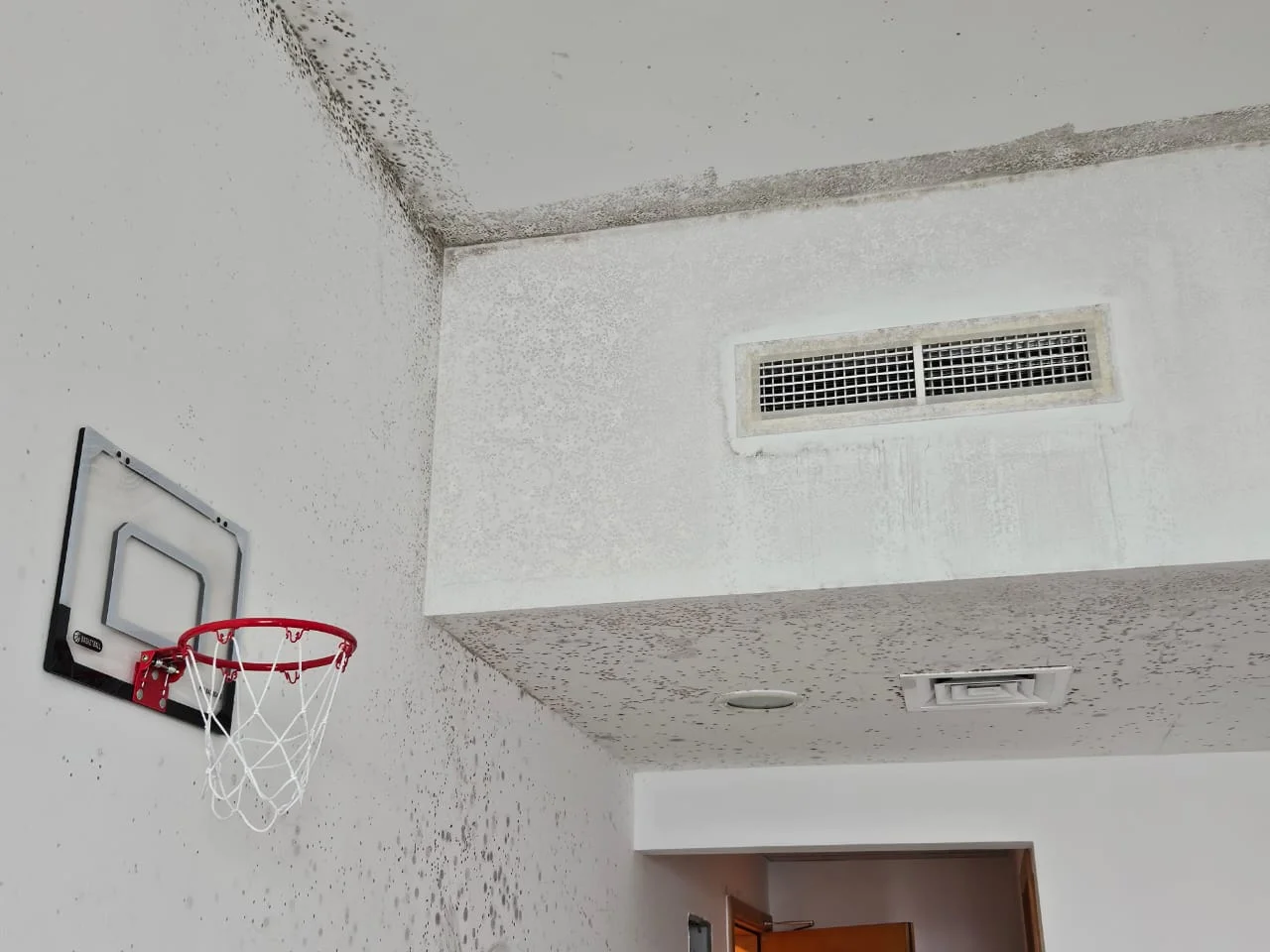
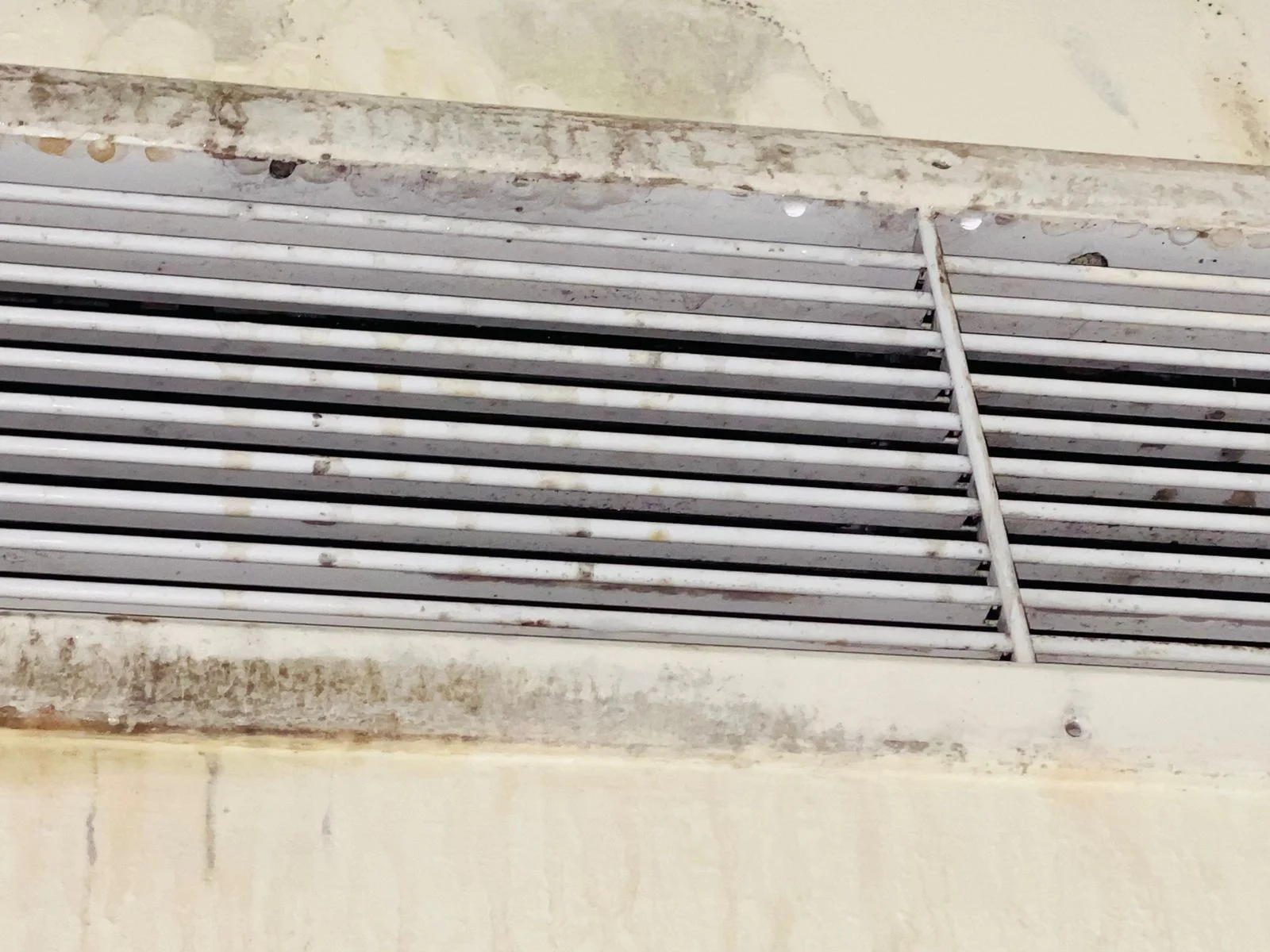
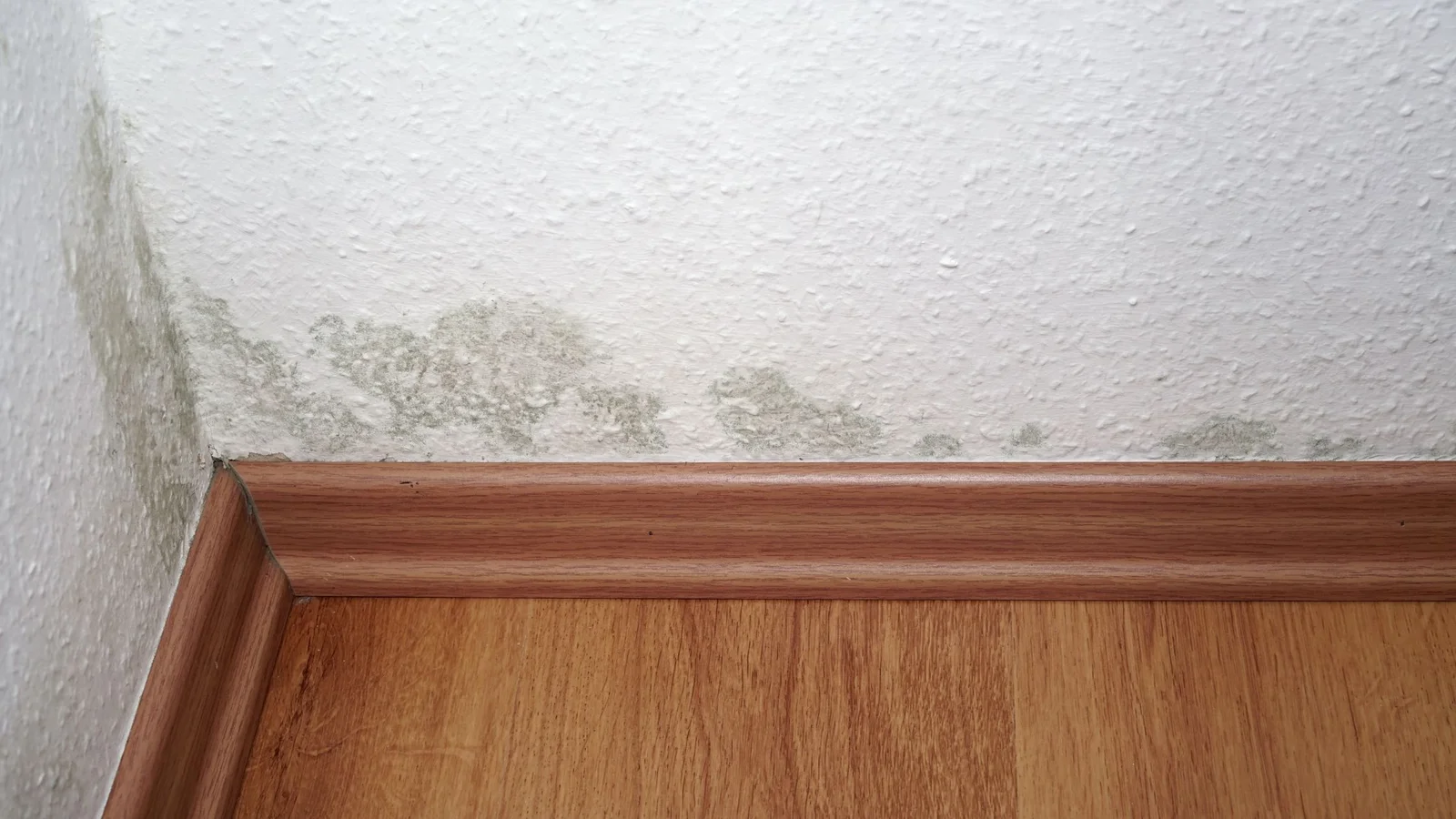
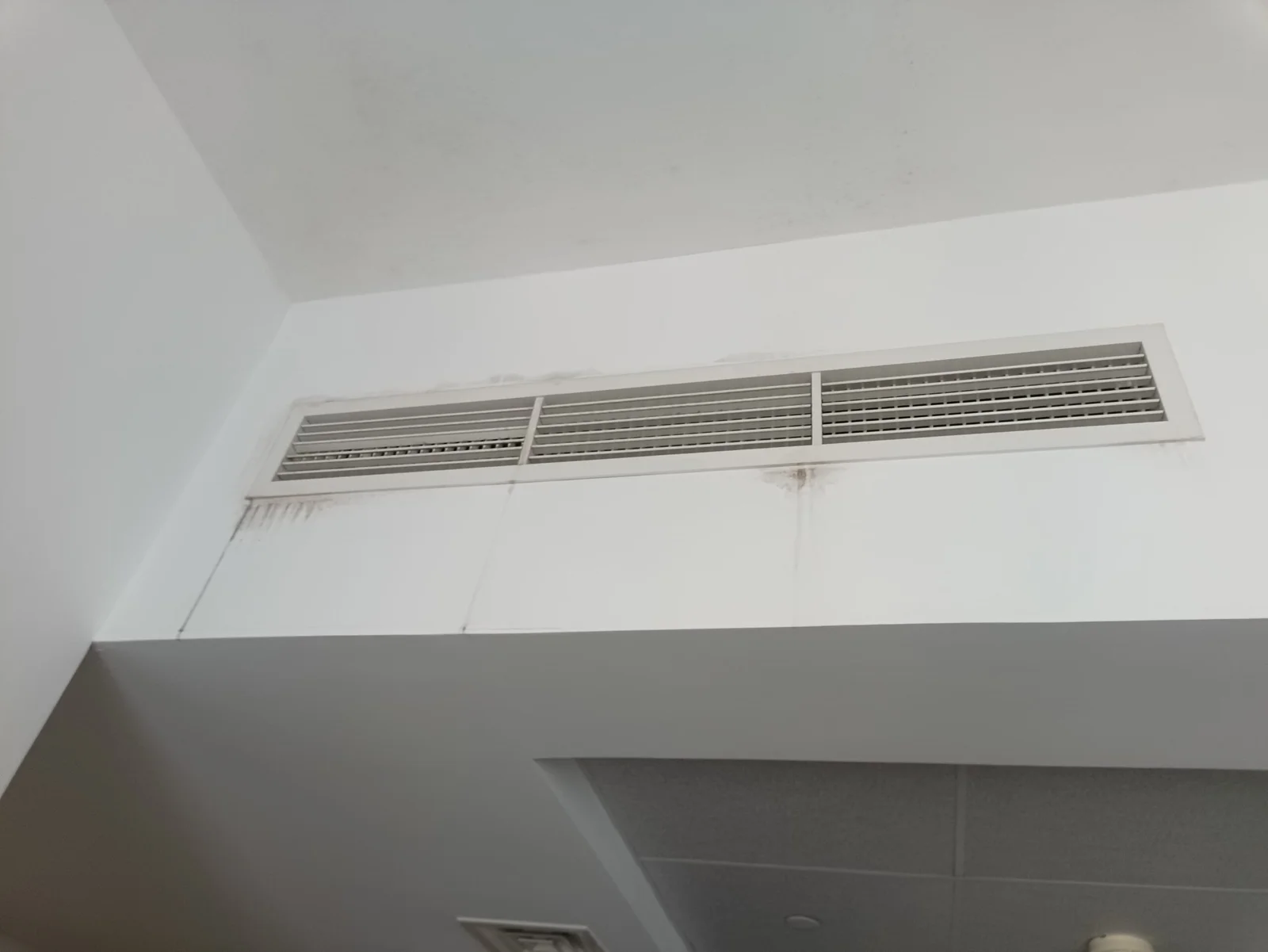
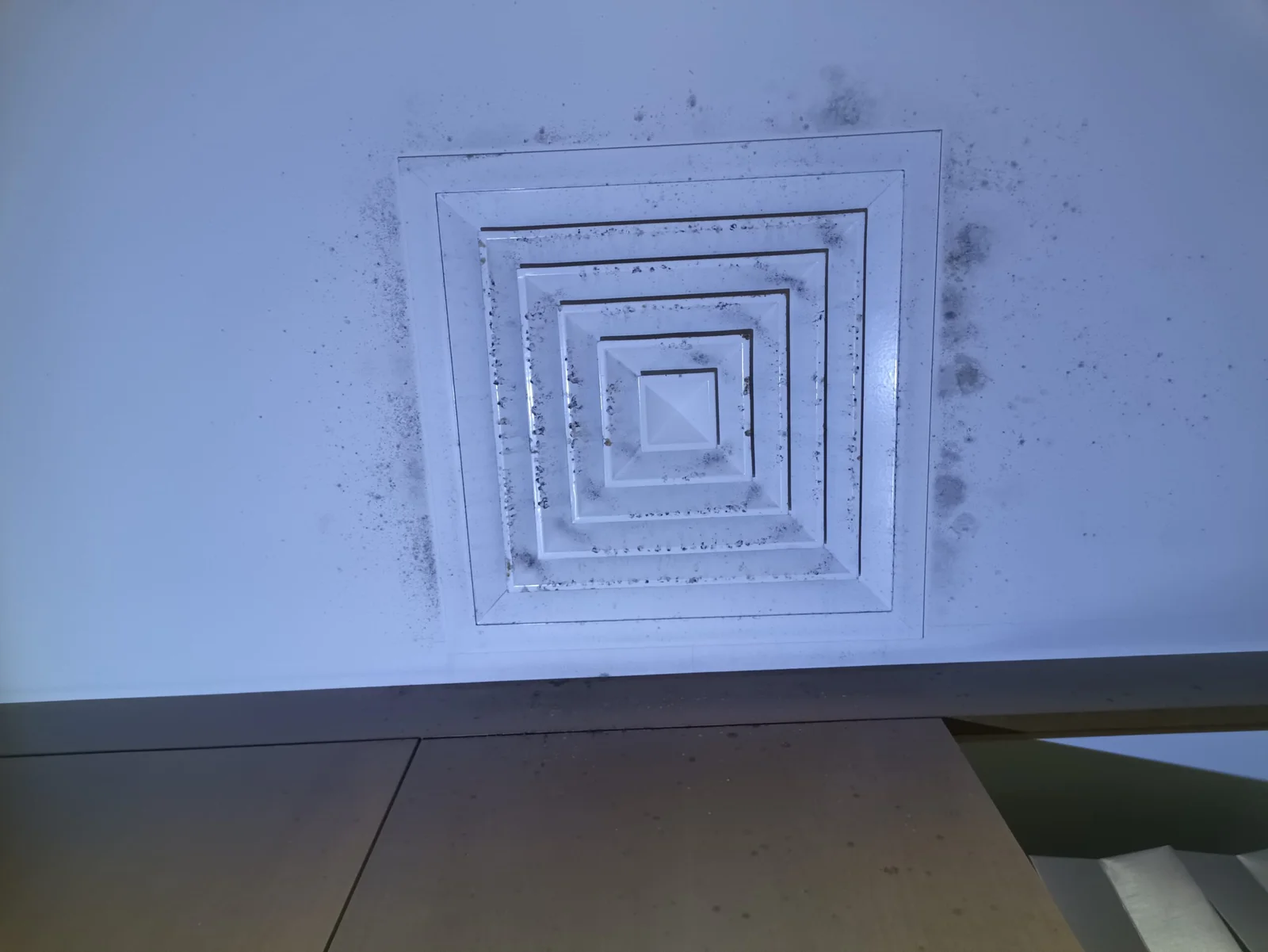
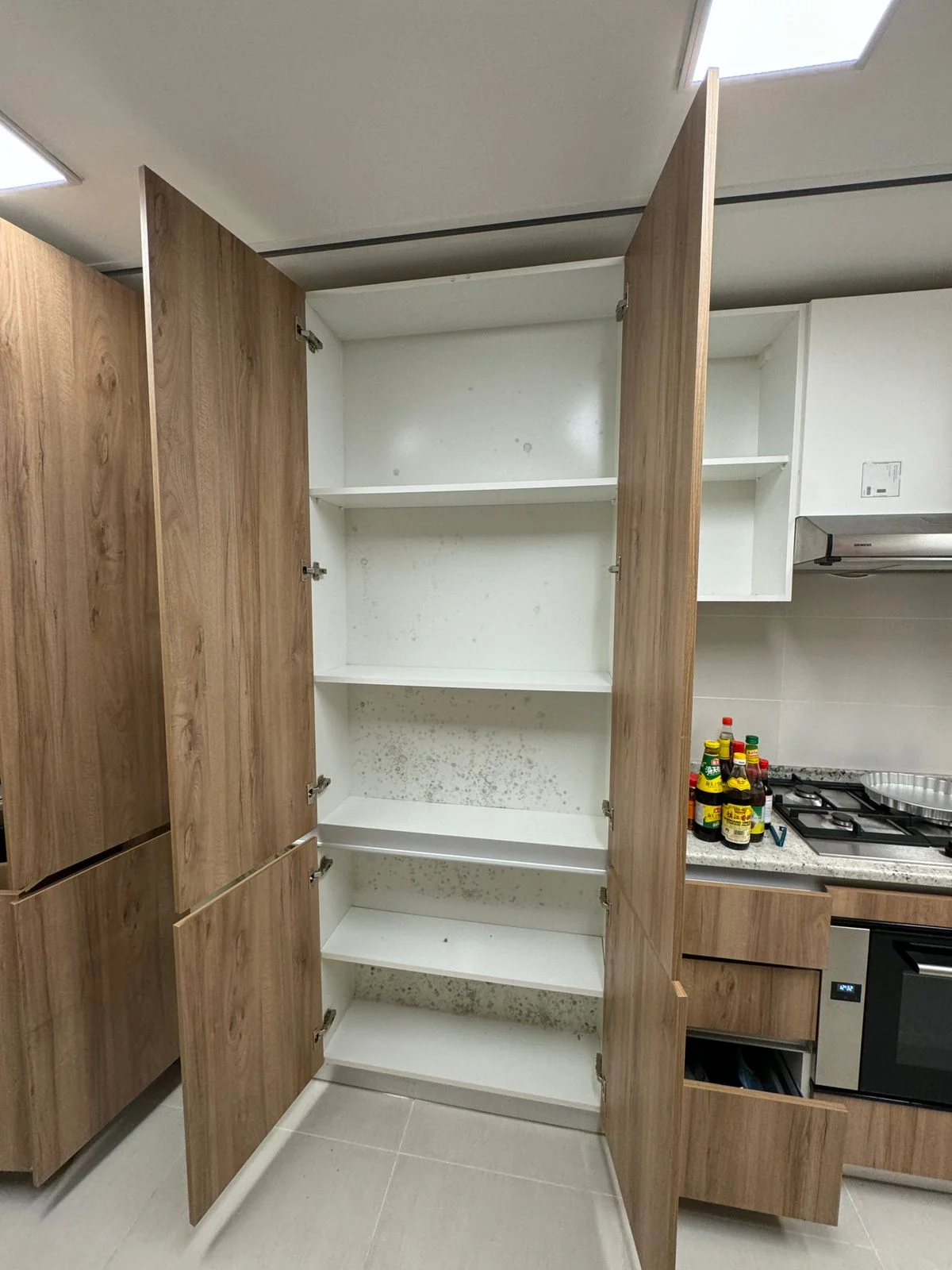
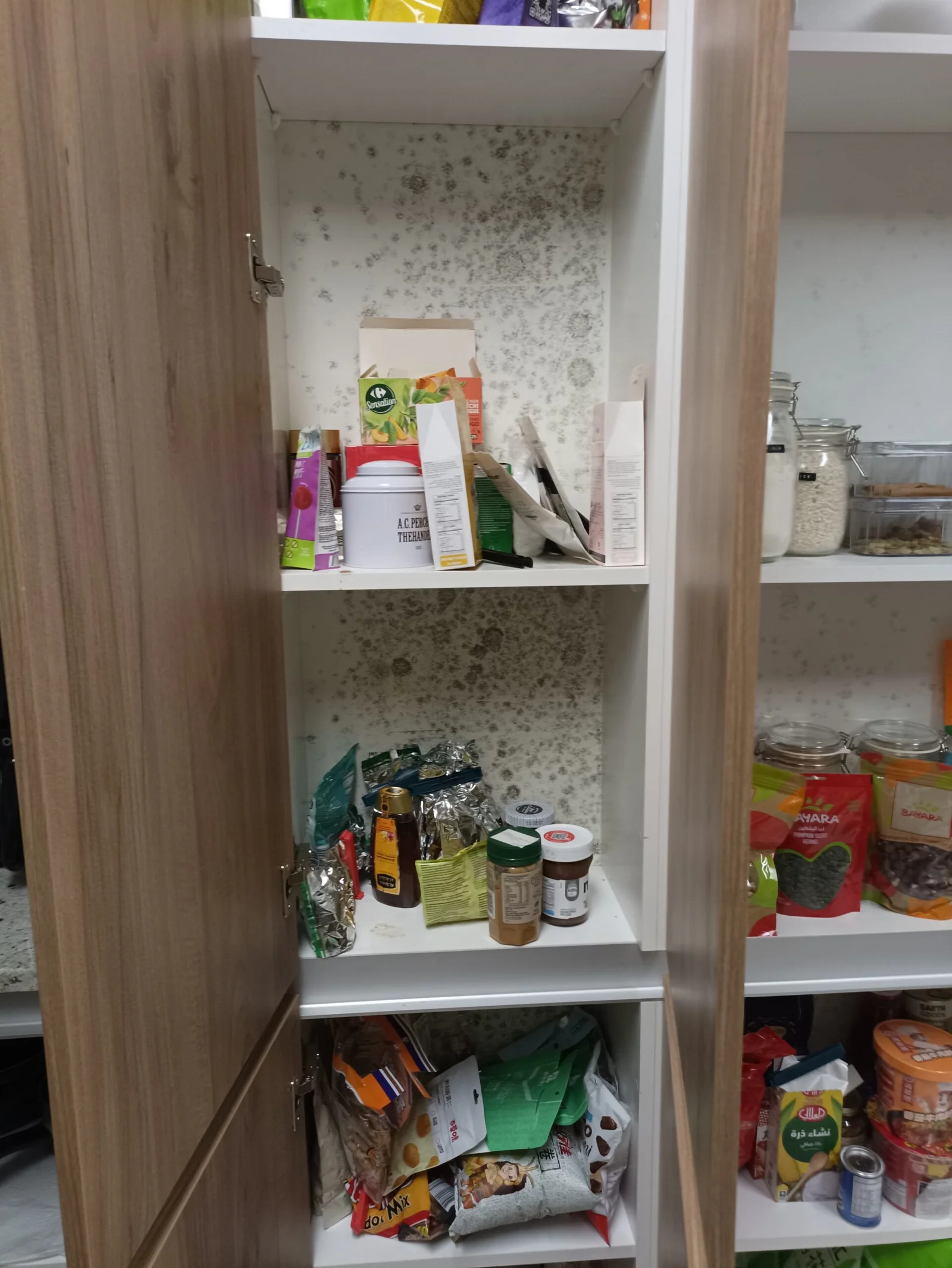
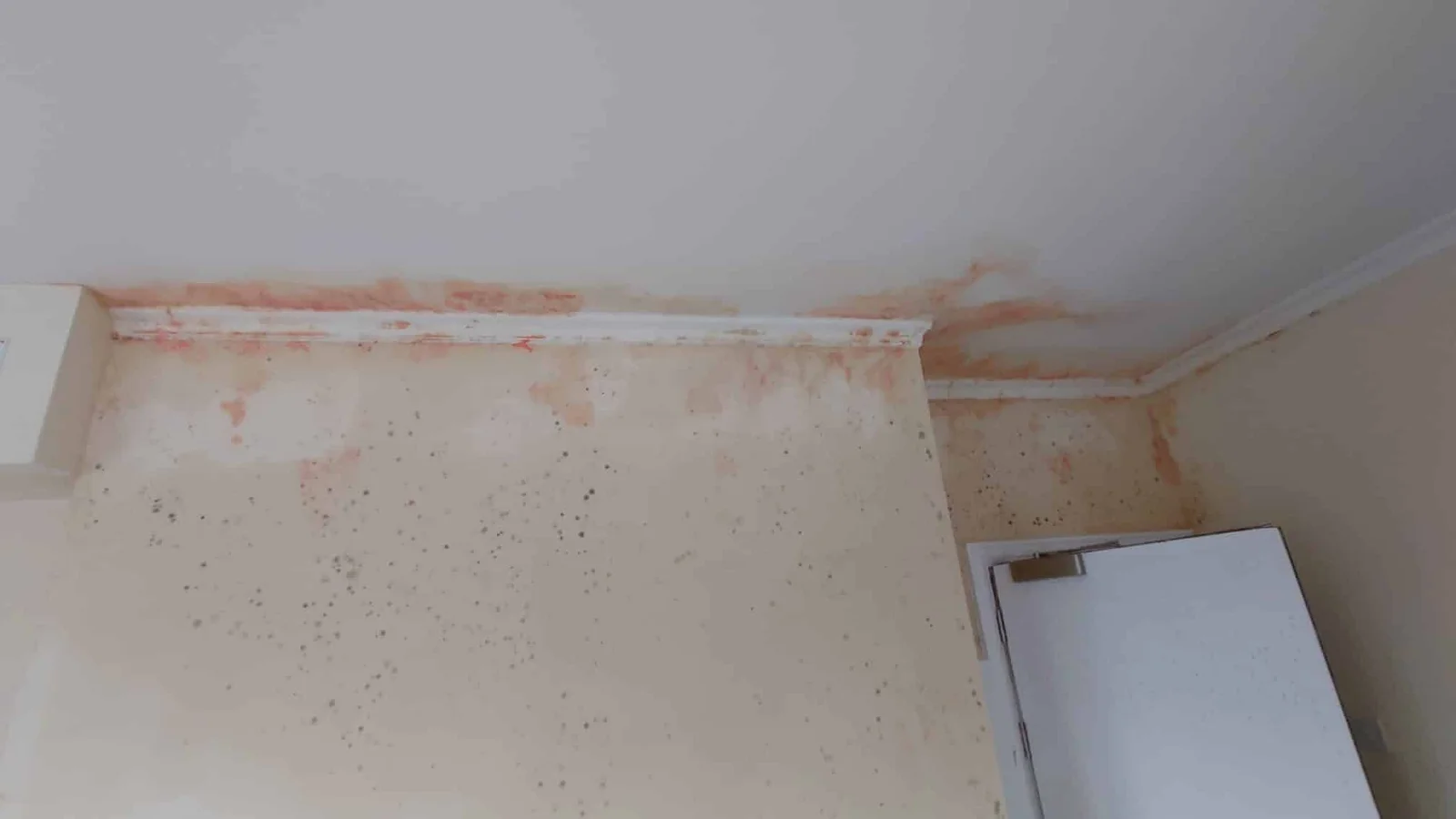
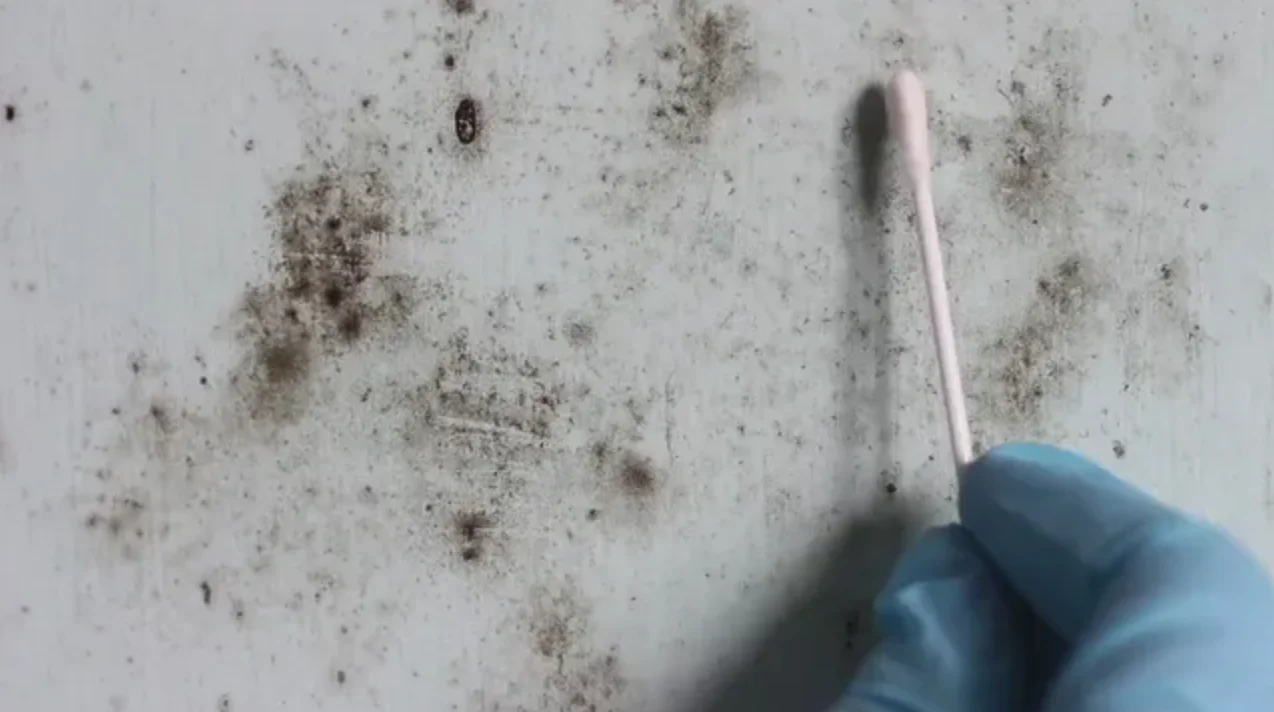
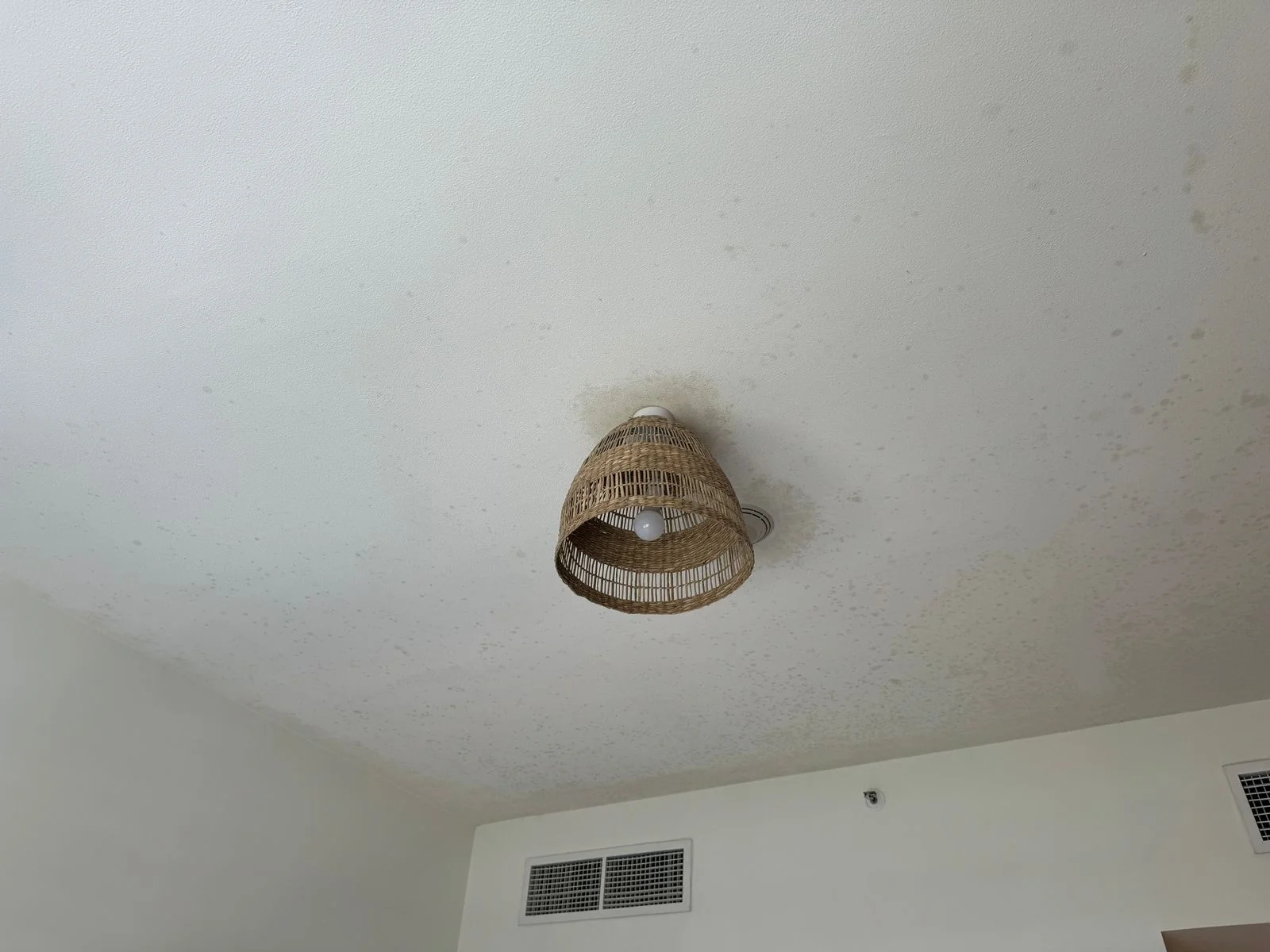
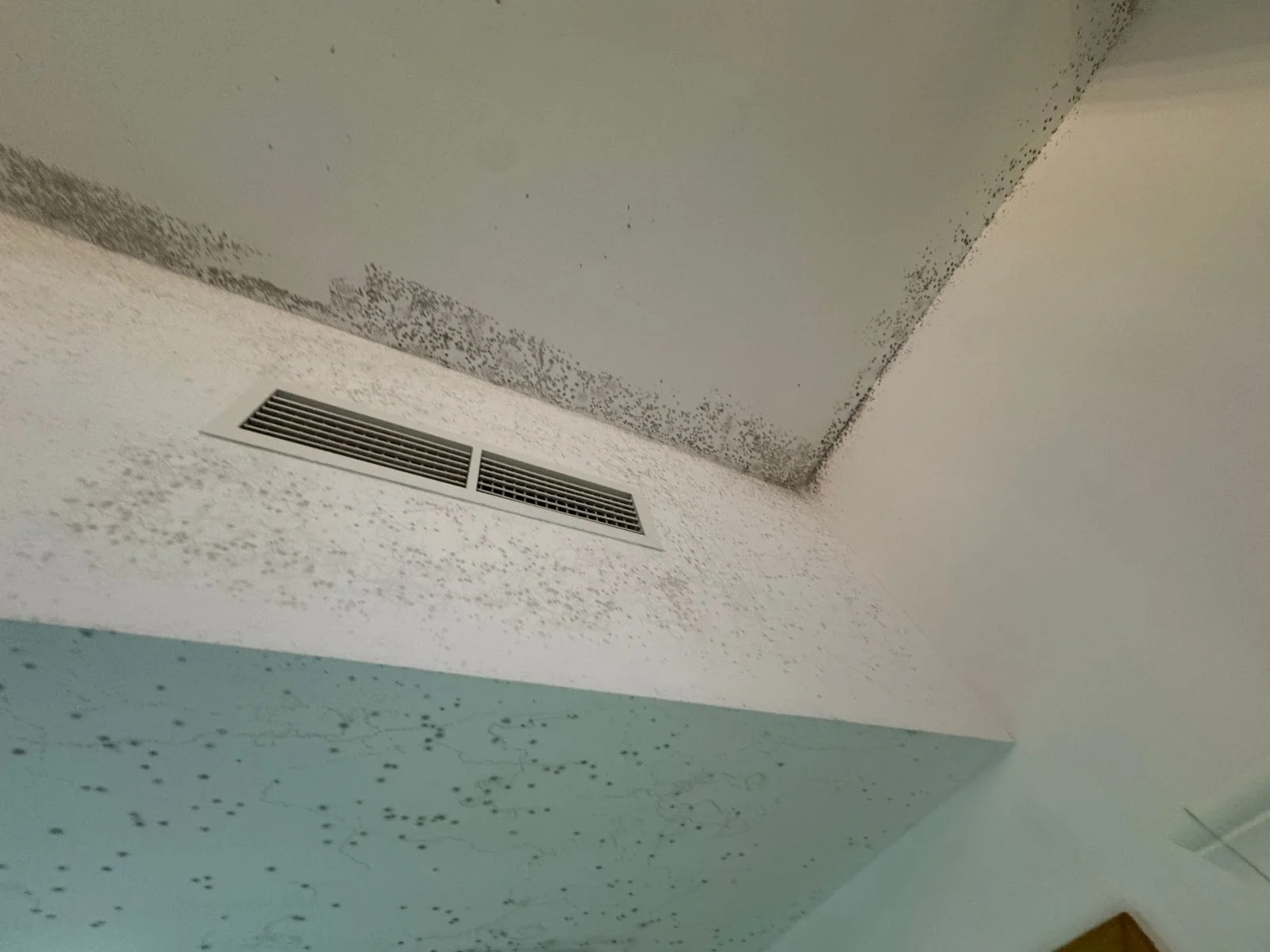
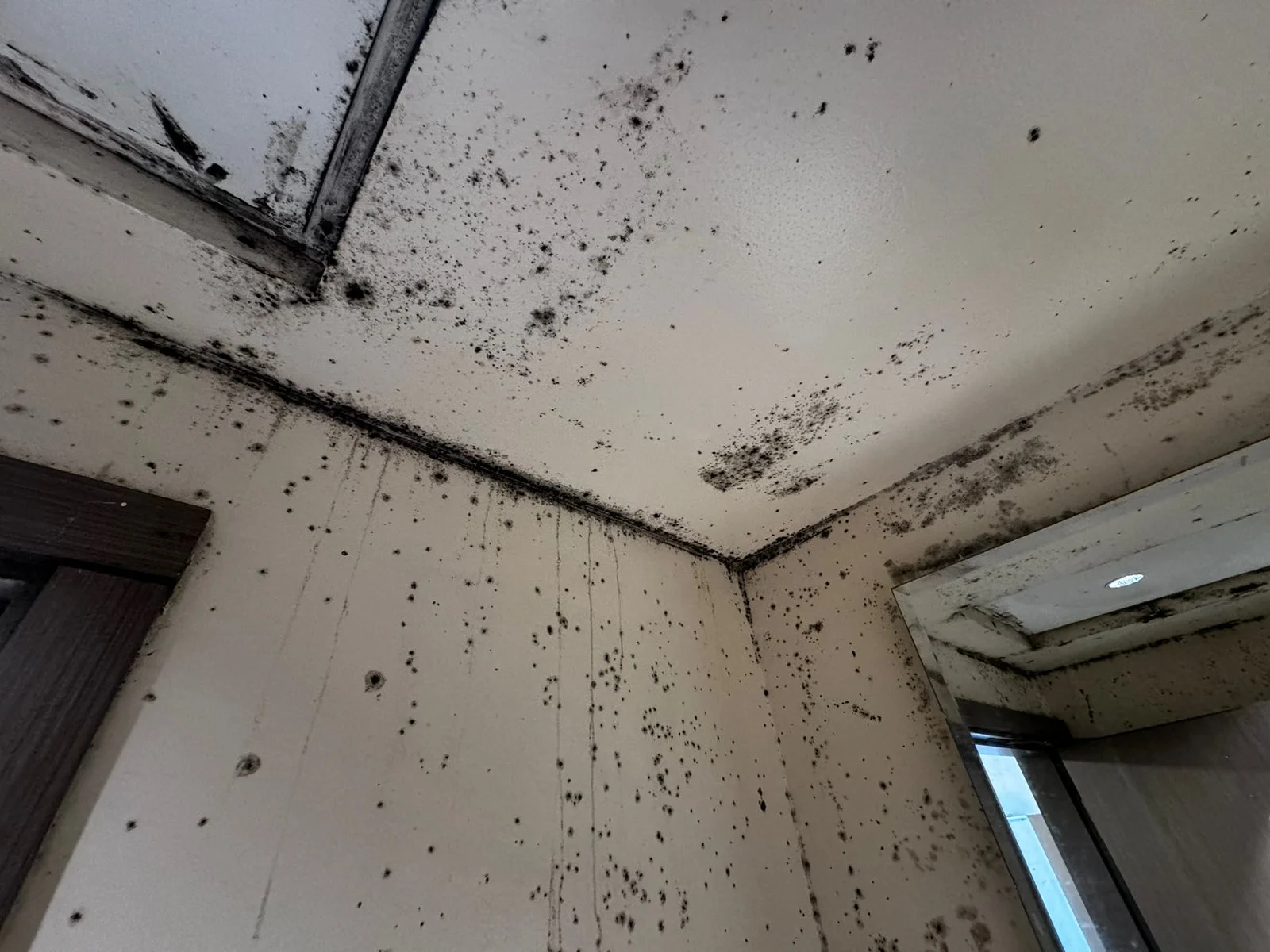
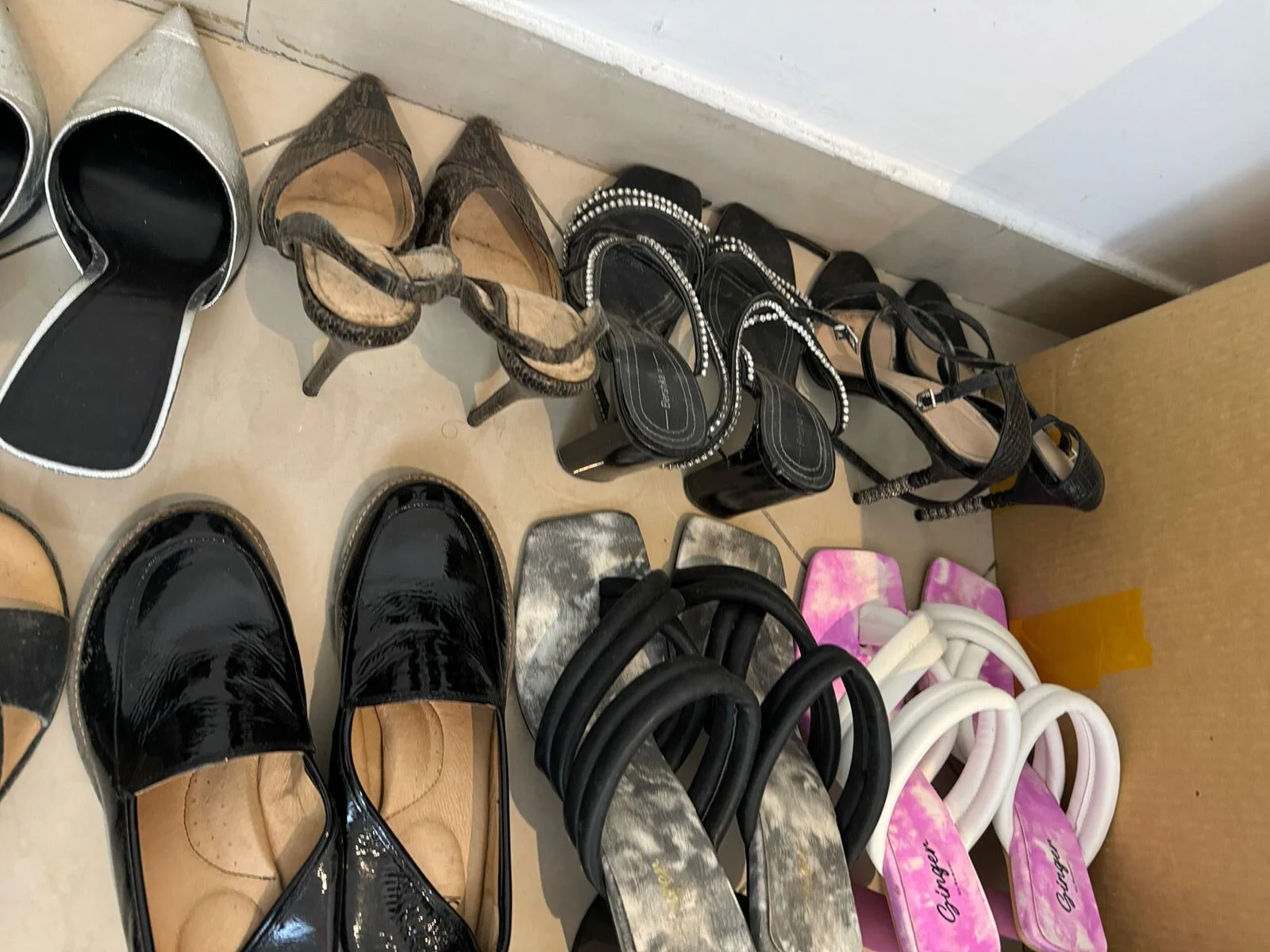
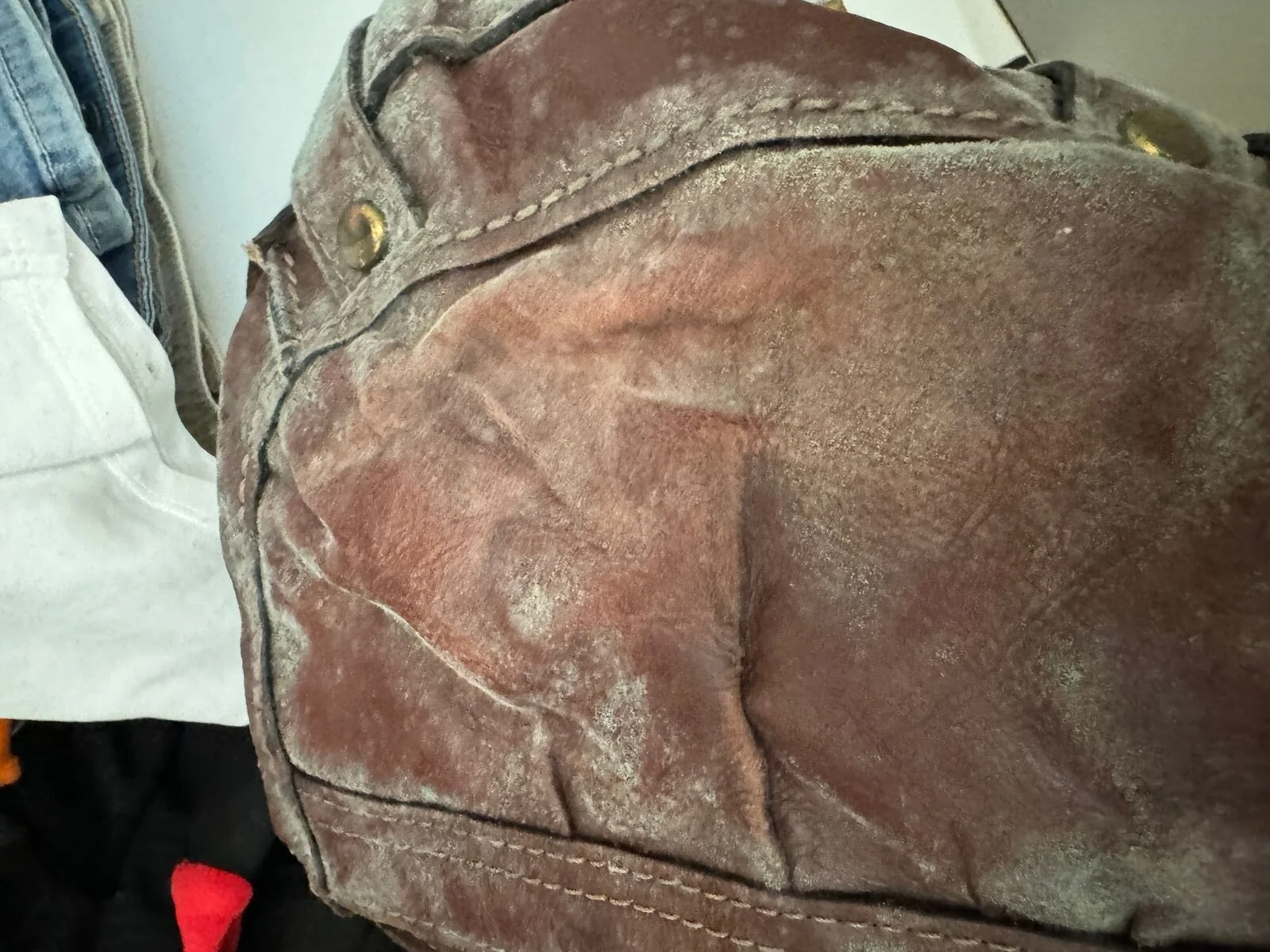
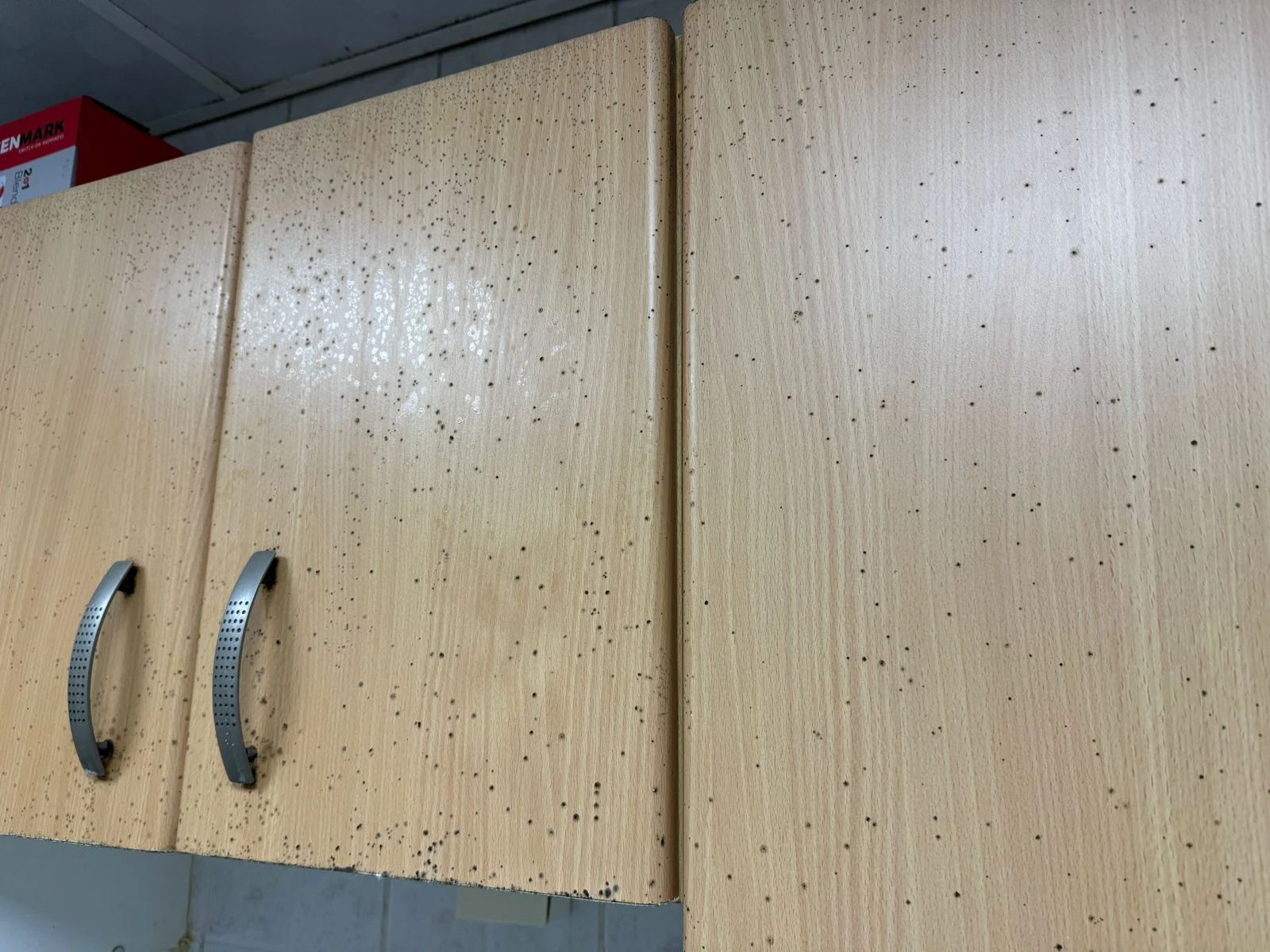
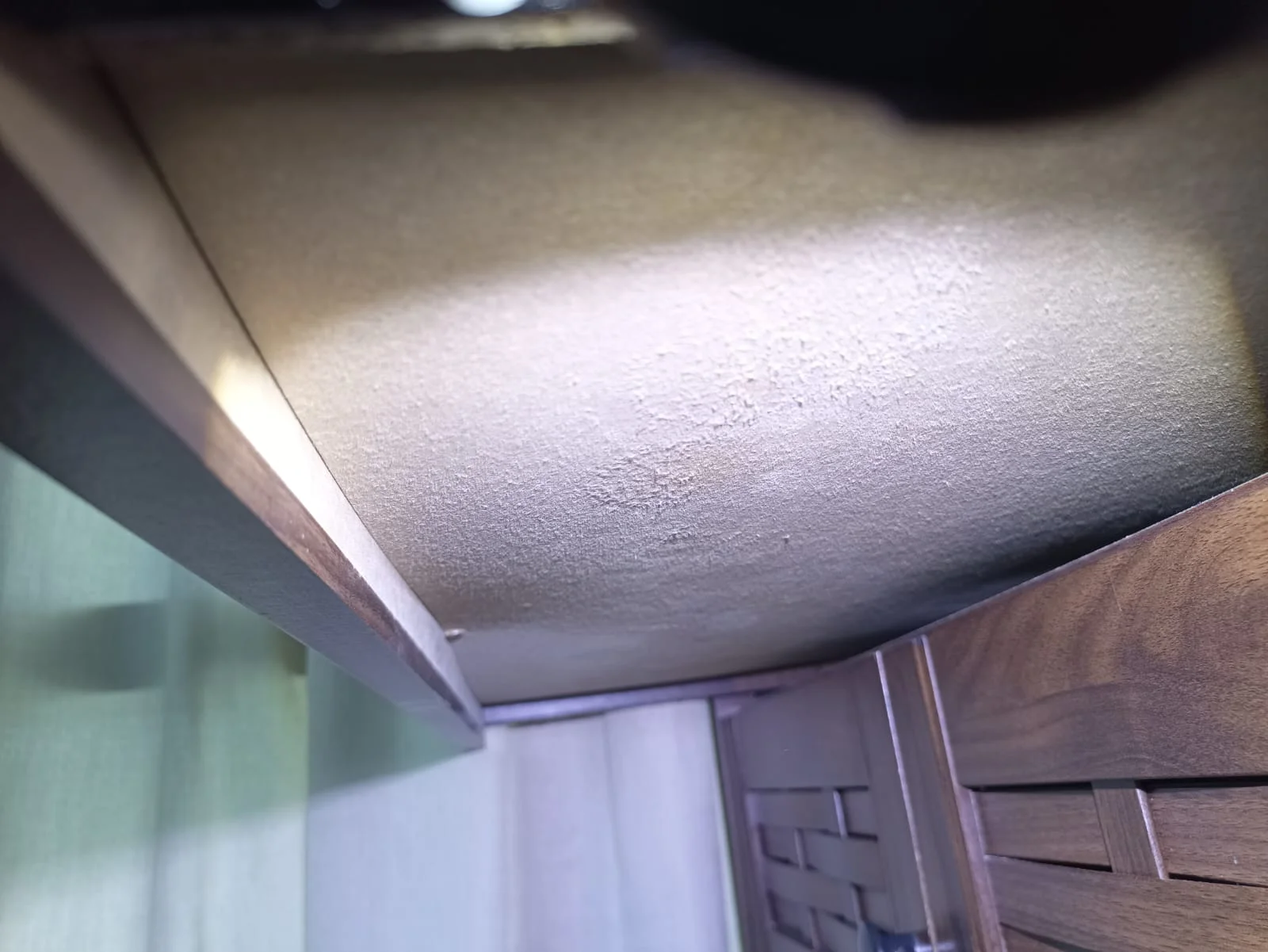
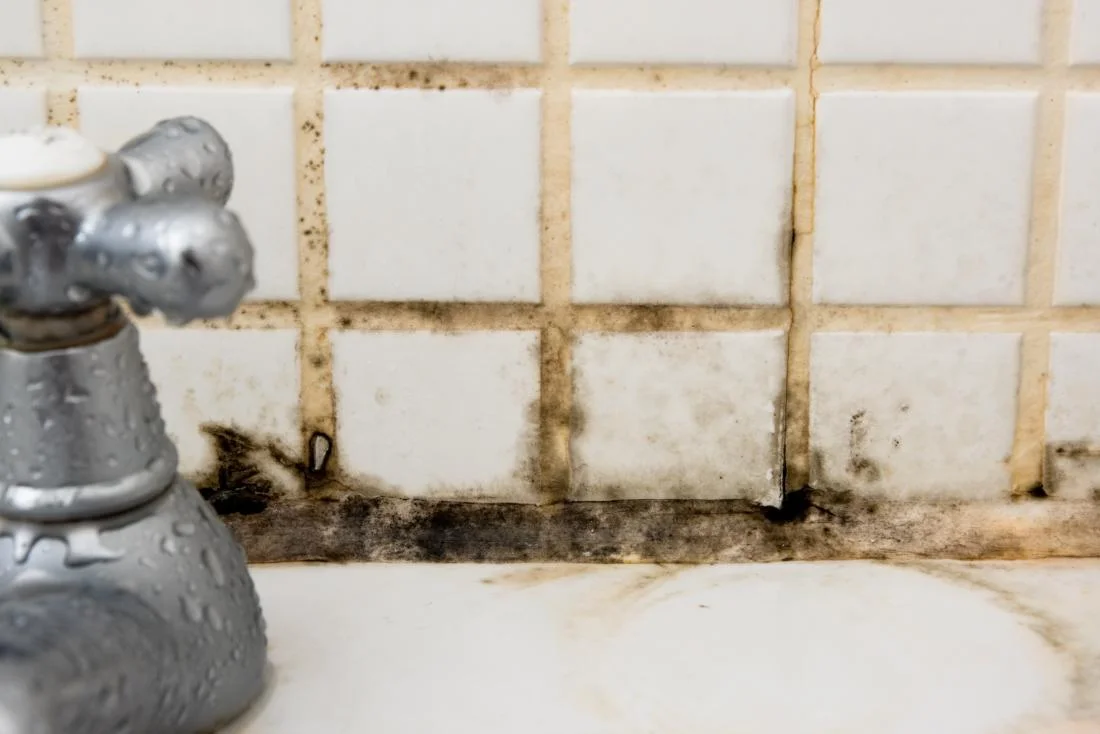
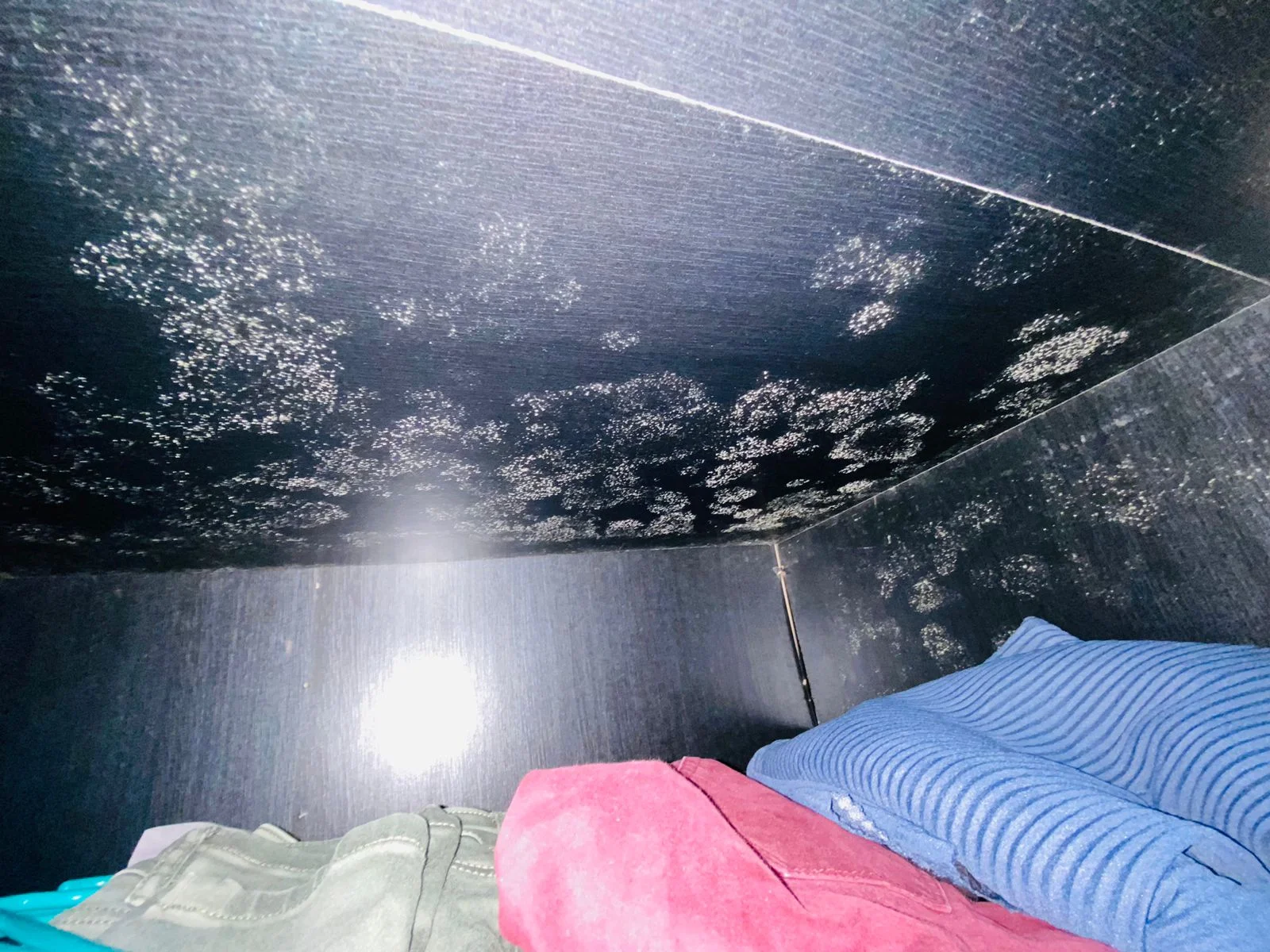
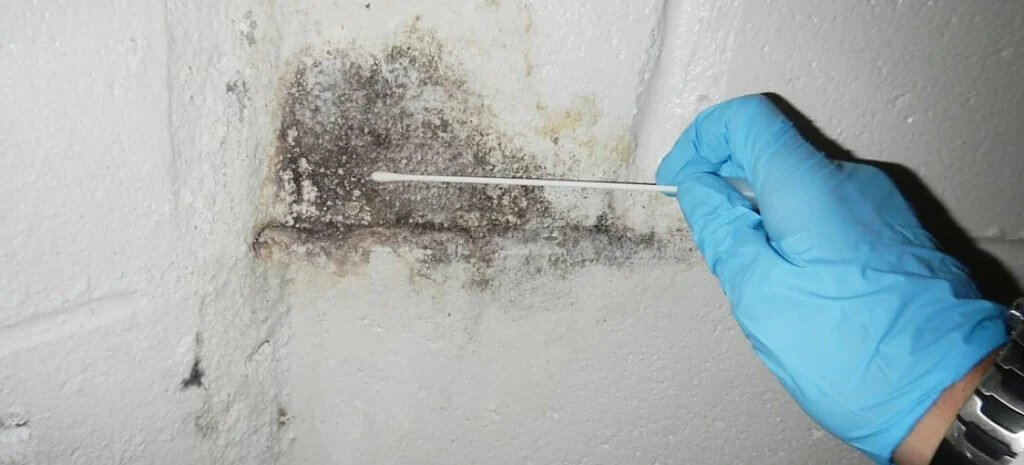
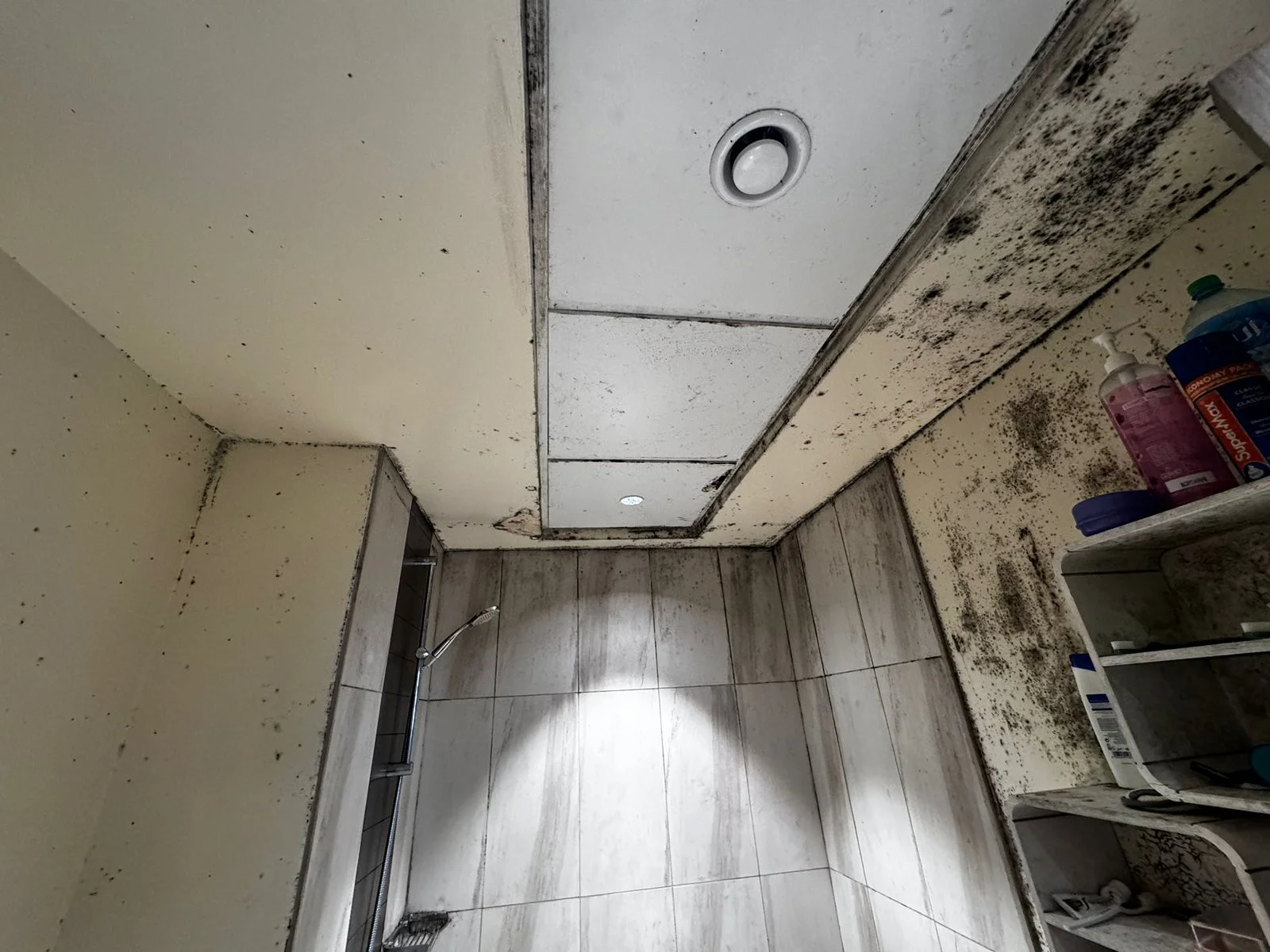
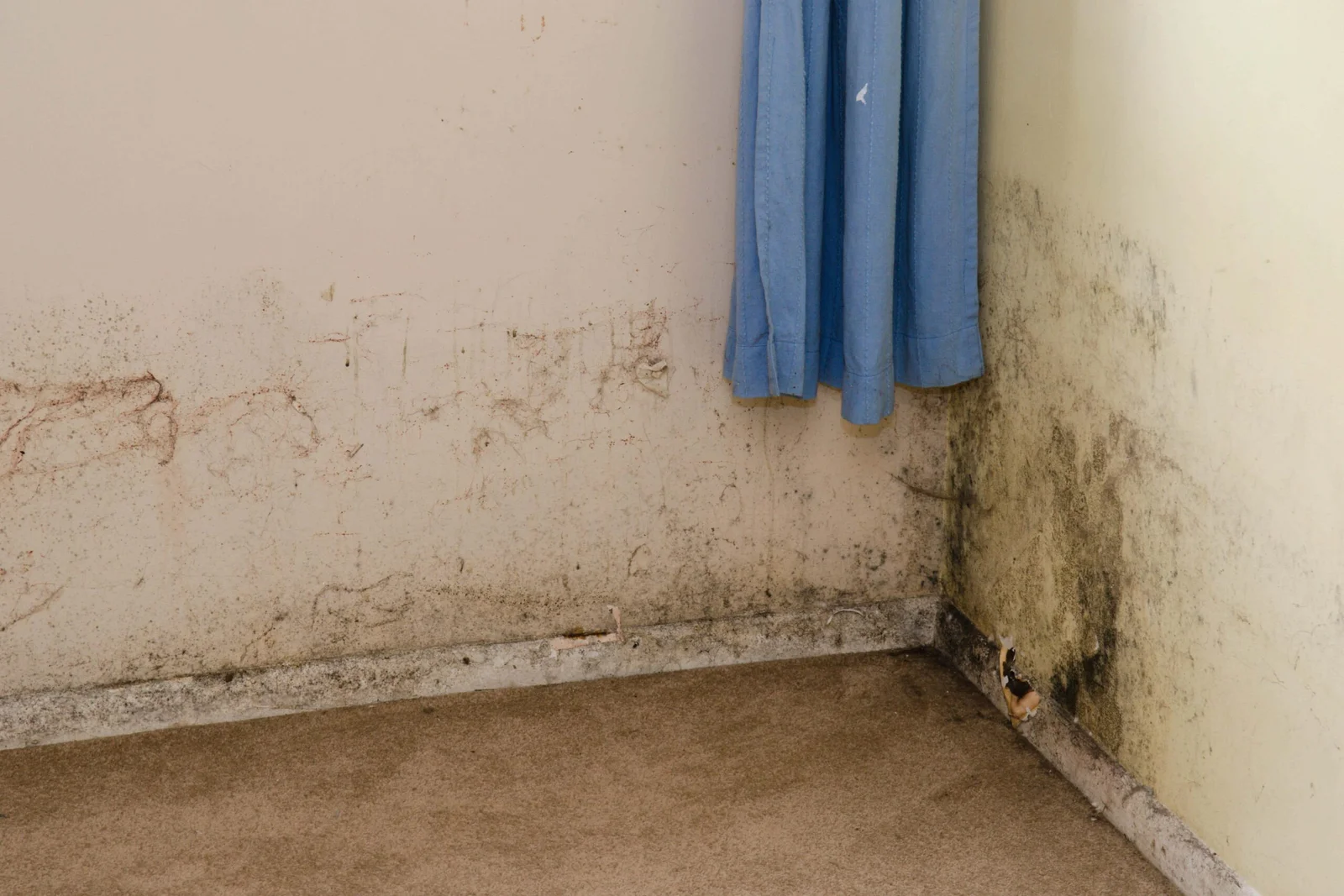
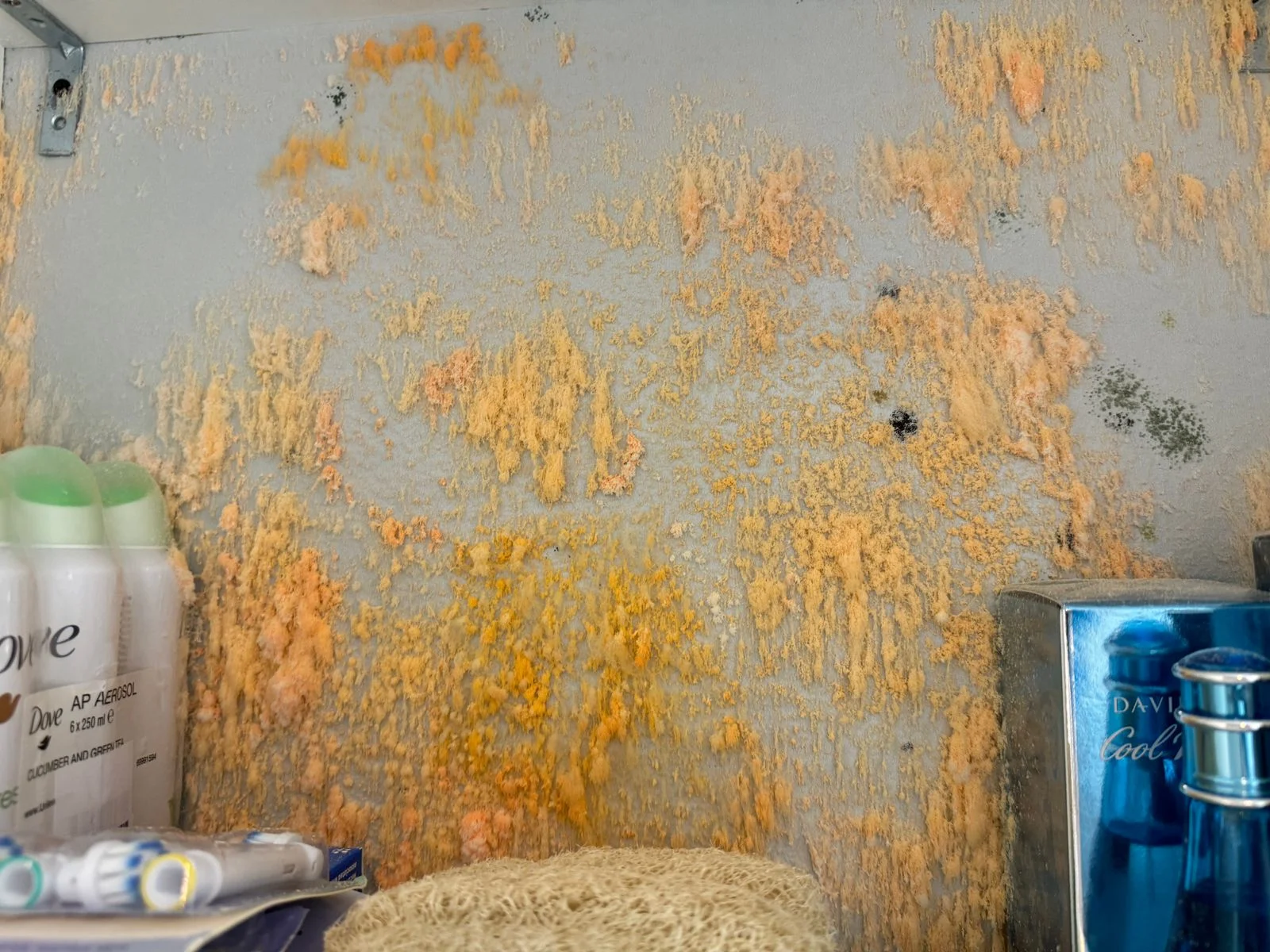
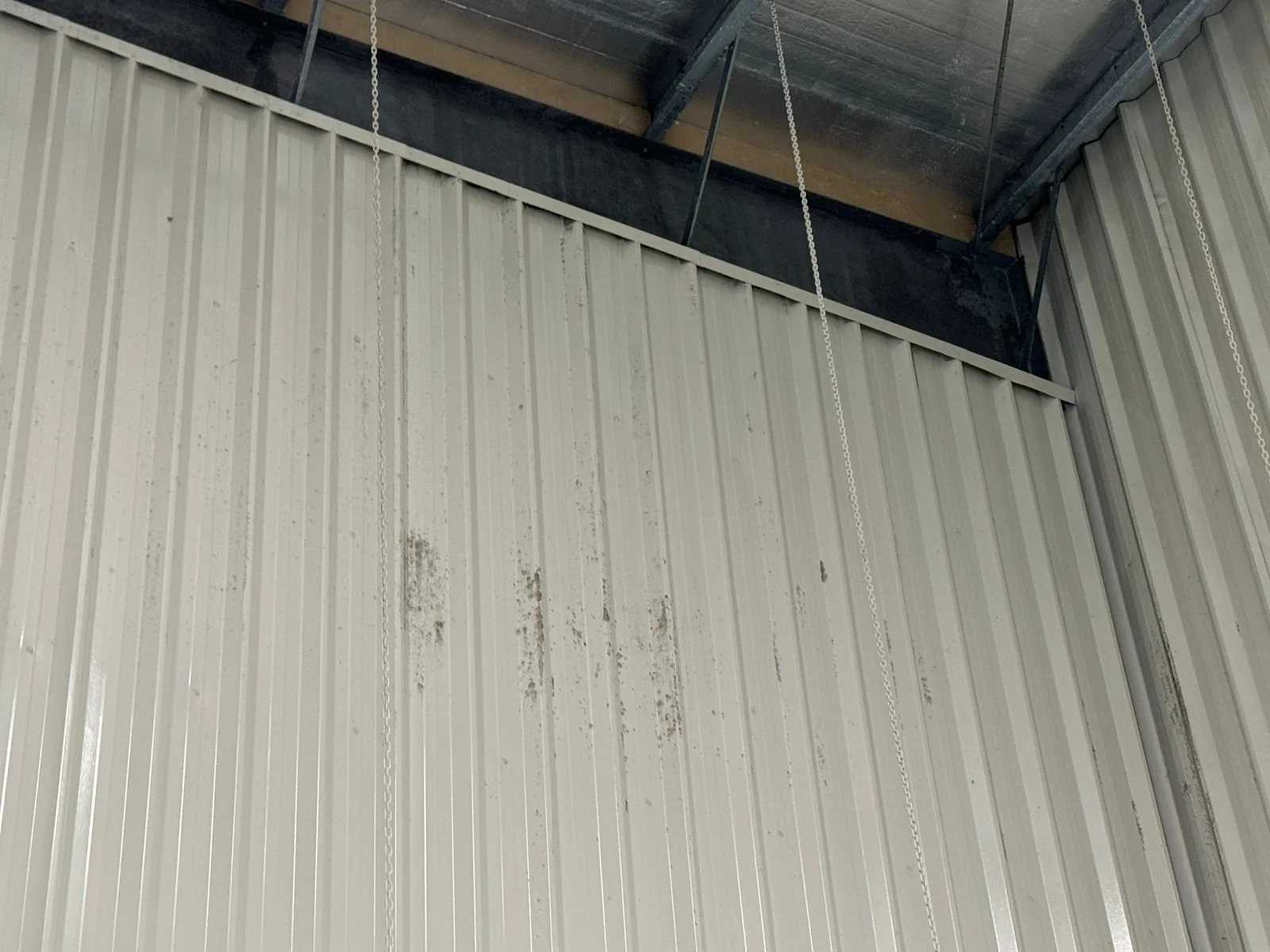
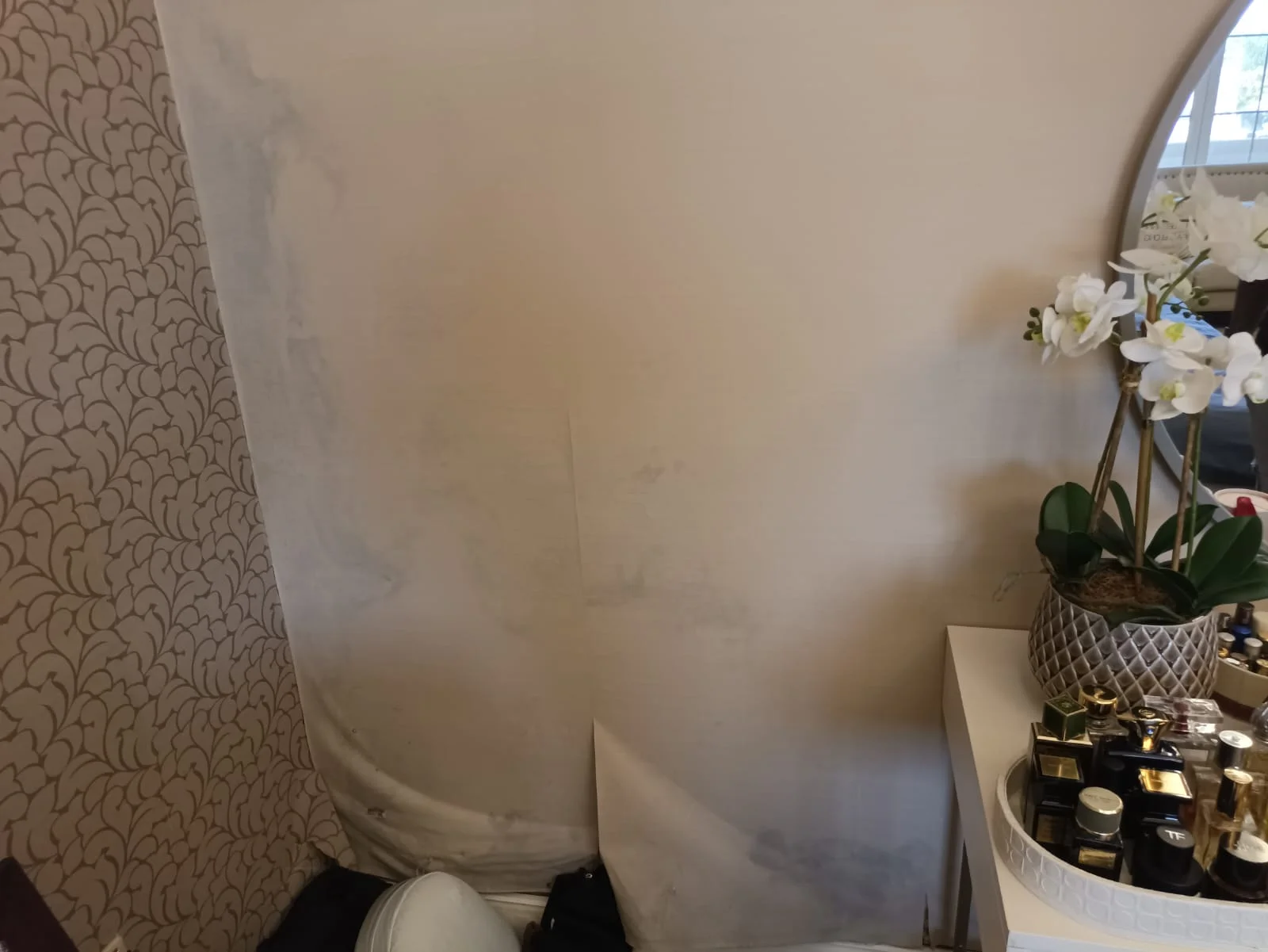
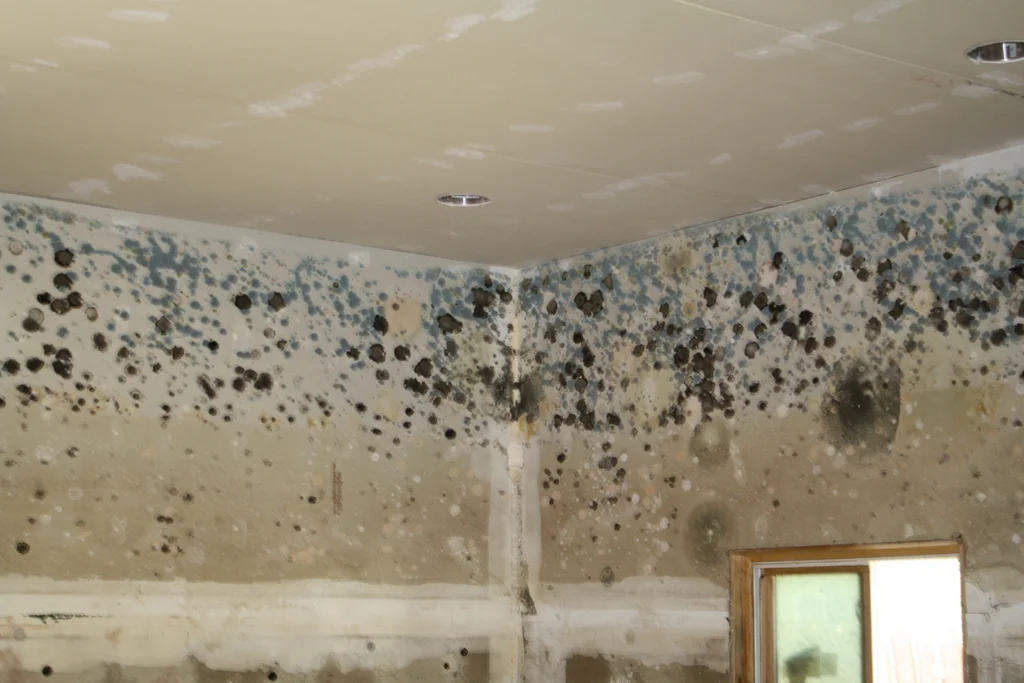
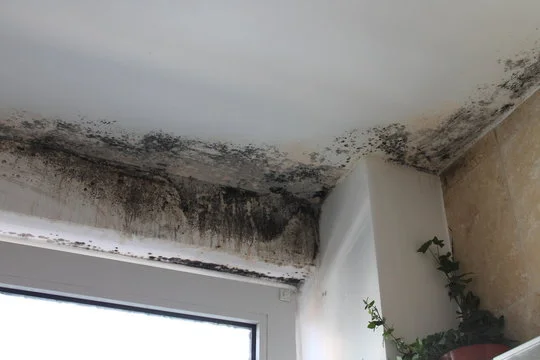
Dark spots or patches on walls, ceilings, or around window frames — often black, green, grey, or white. Paint bubbling, peeling, or blistering on walls and ceilings. Discolouration around AC vents, bathroom grout, or under sinks. Warped or swollen skirting boards and window sills. Any visible growth on soft furnishings, carpet edges, or inside wardrobes.
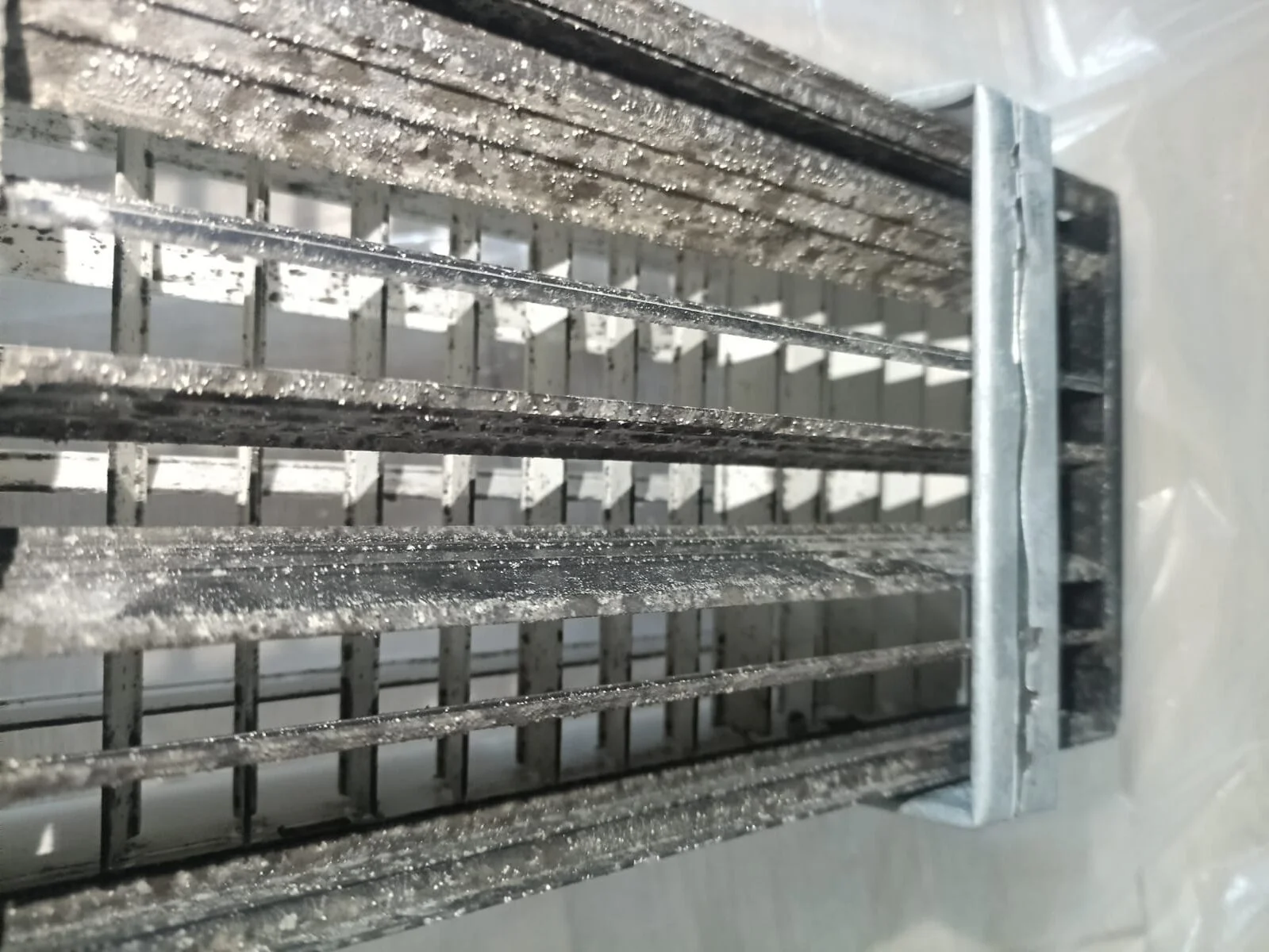
A persistent musty, earthy, or damp odour — often described as "wet basement" or "old books." The smell is caused by microbial volatile organic compounds (MVOCs) released by active mold colonies. If the smell intensifies when AC is running, the source is likely inside the HVAC system. If it is localised to one room, the source is typically within the walls, ceiling, or under flooring of that room.
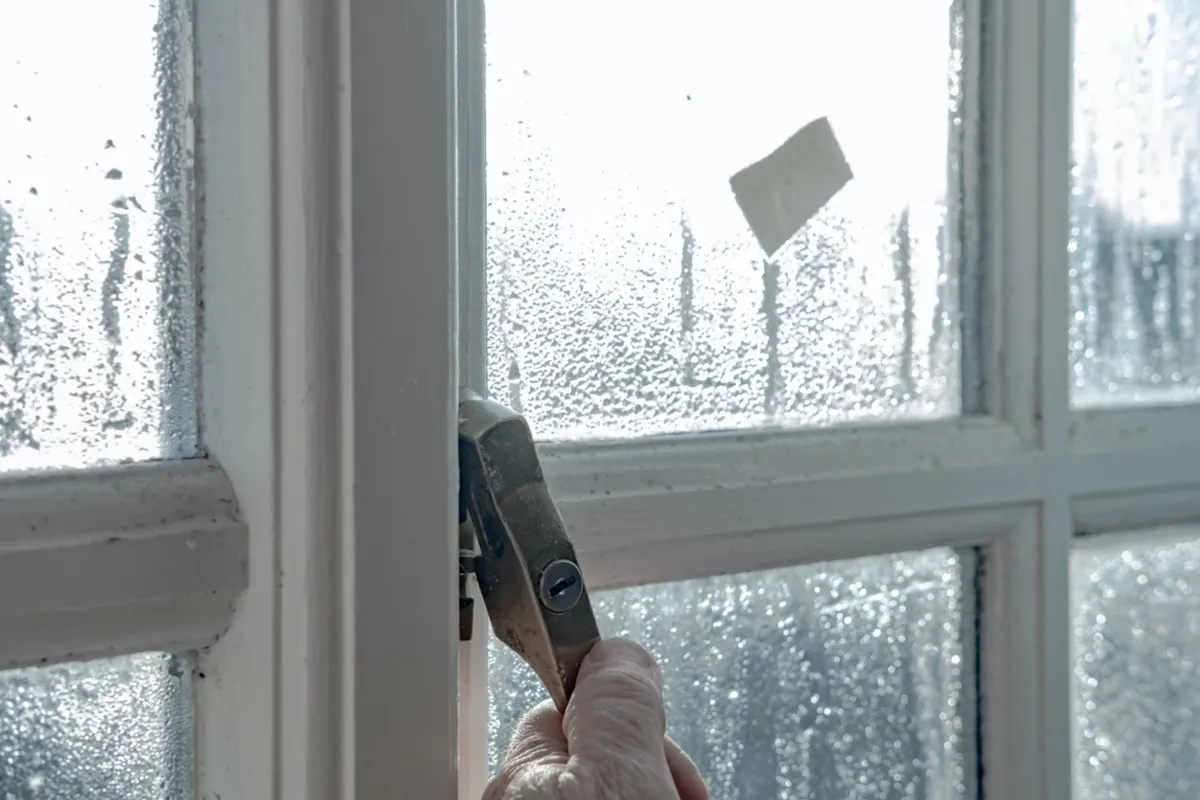
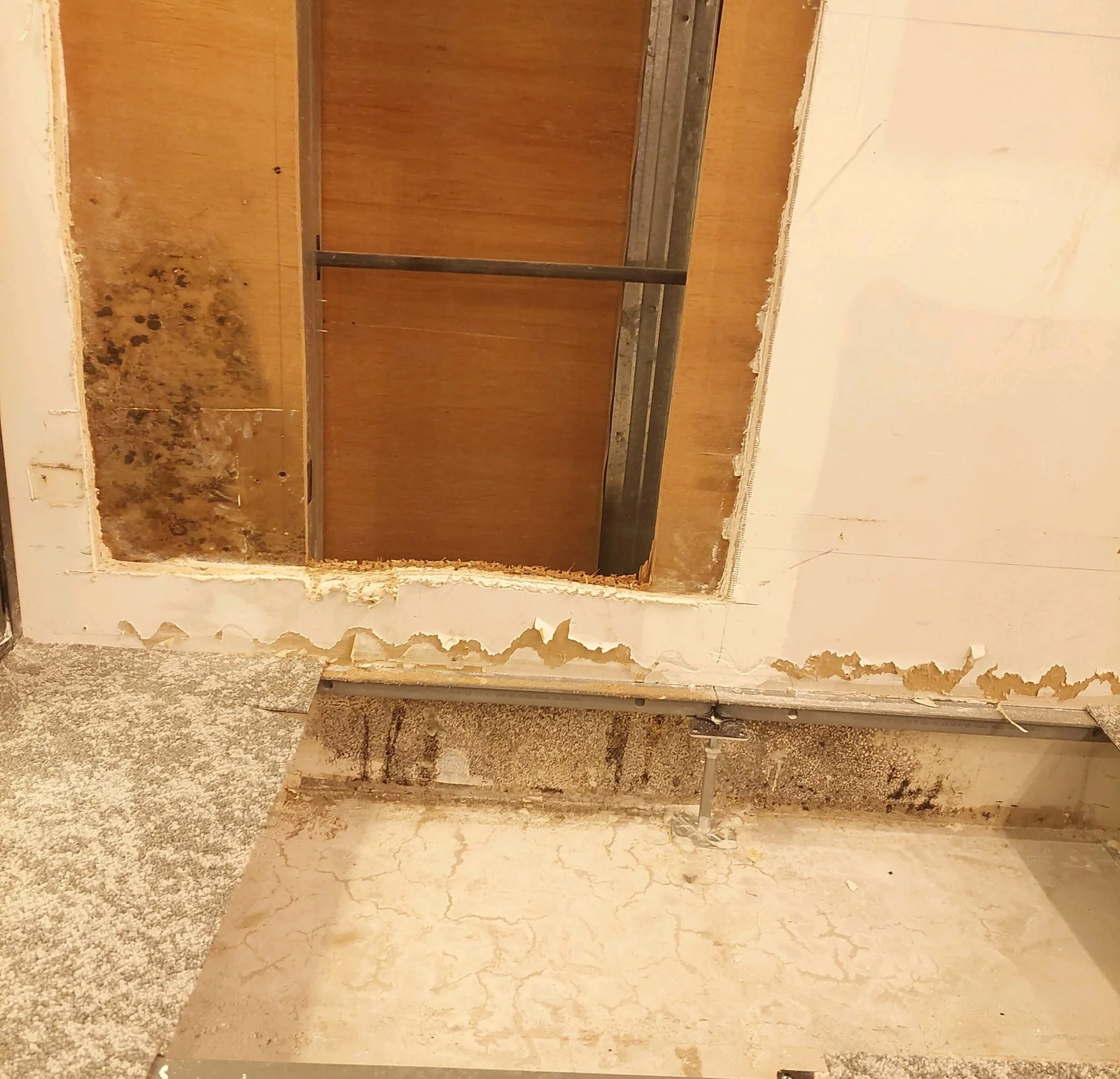
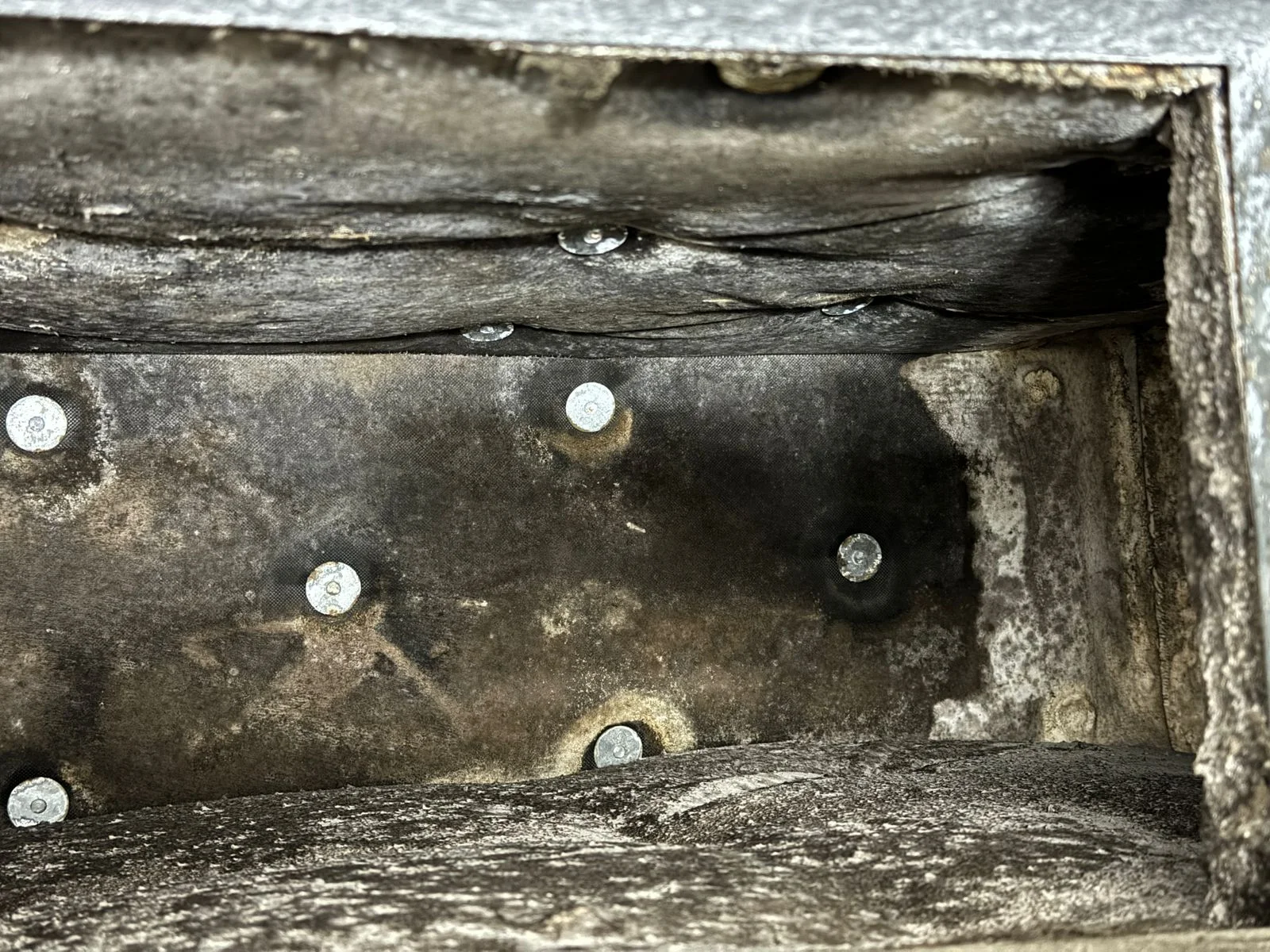
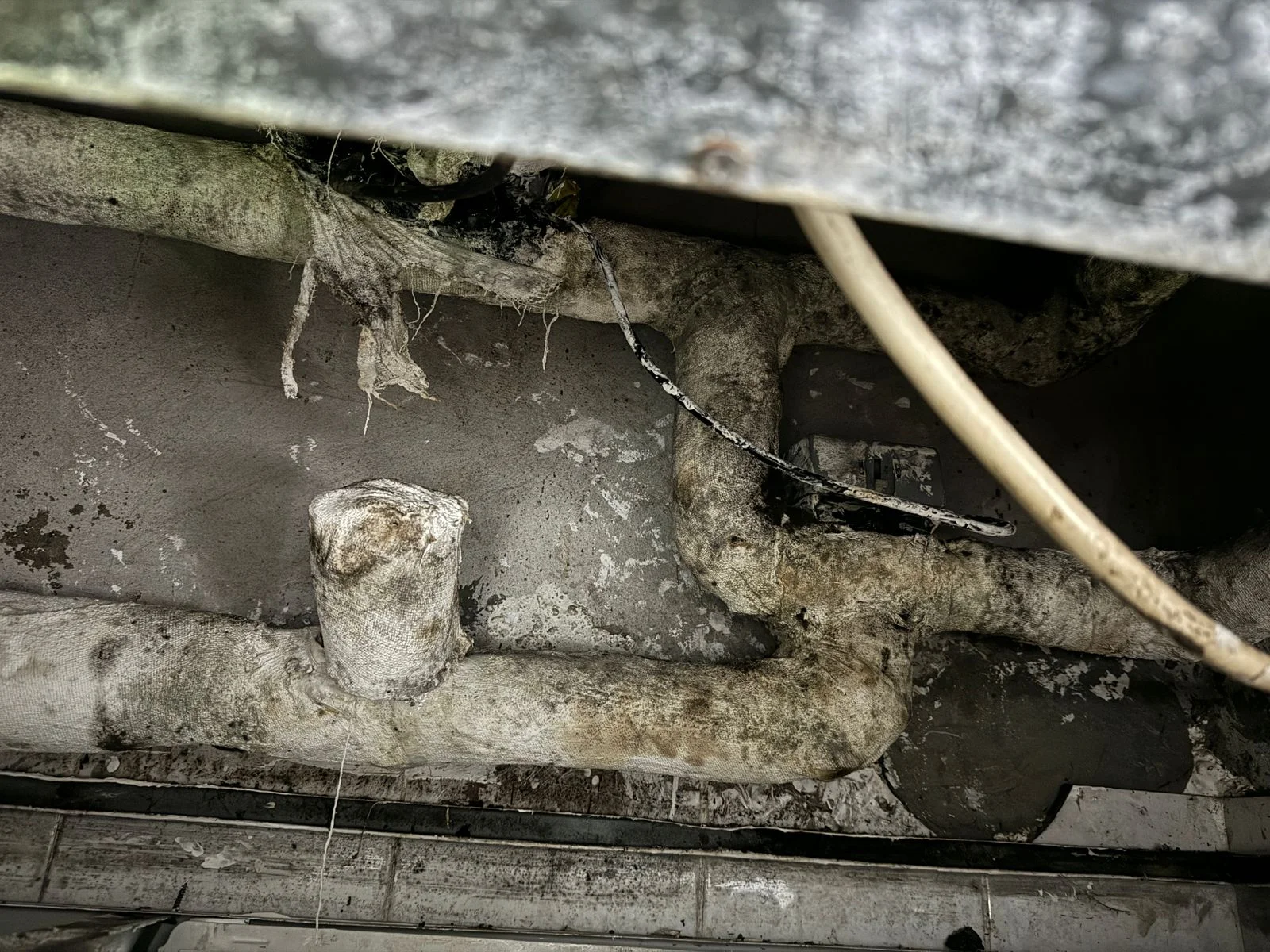
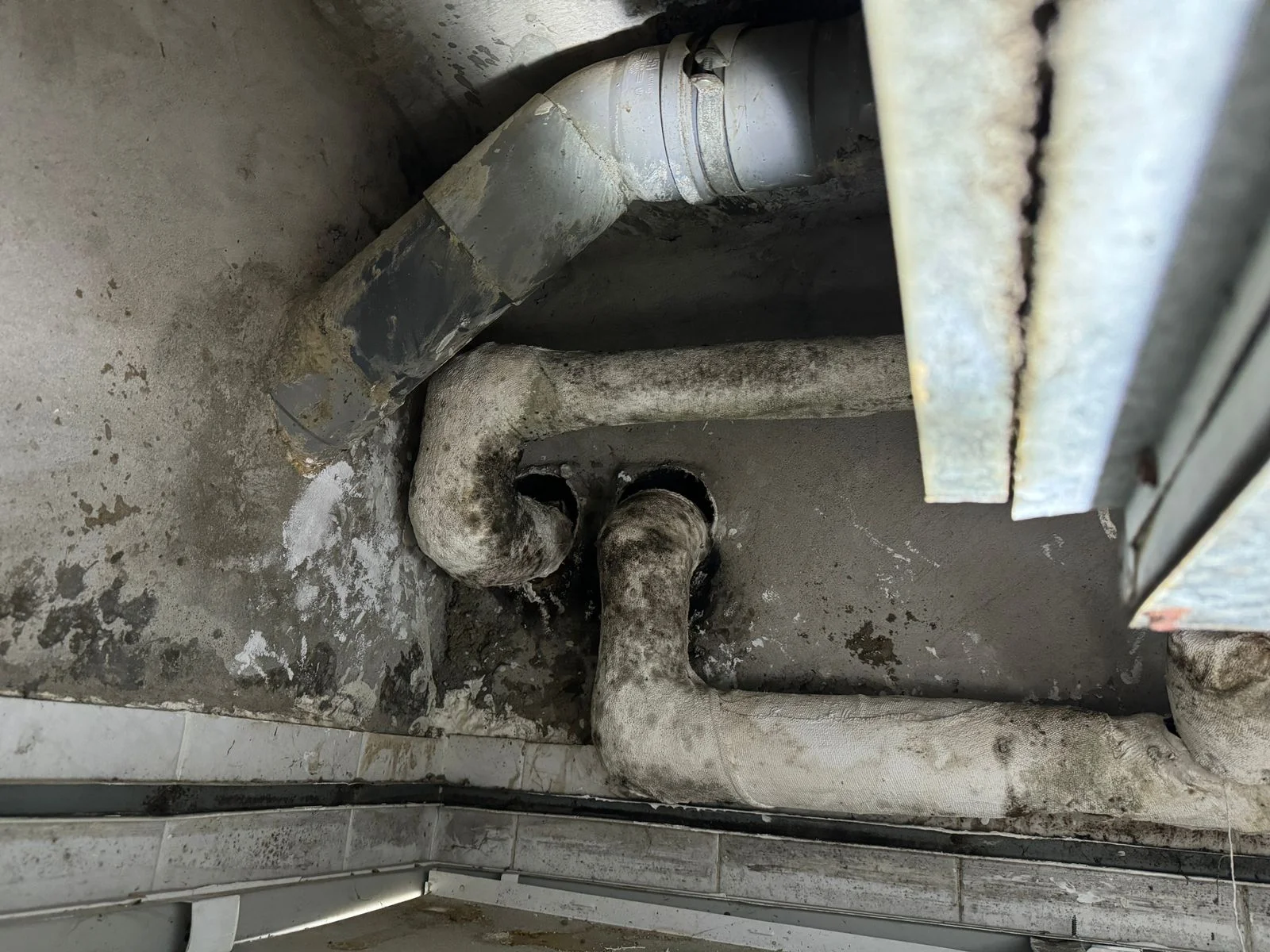
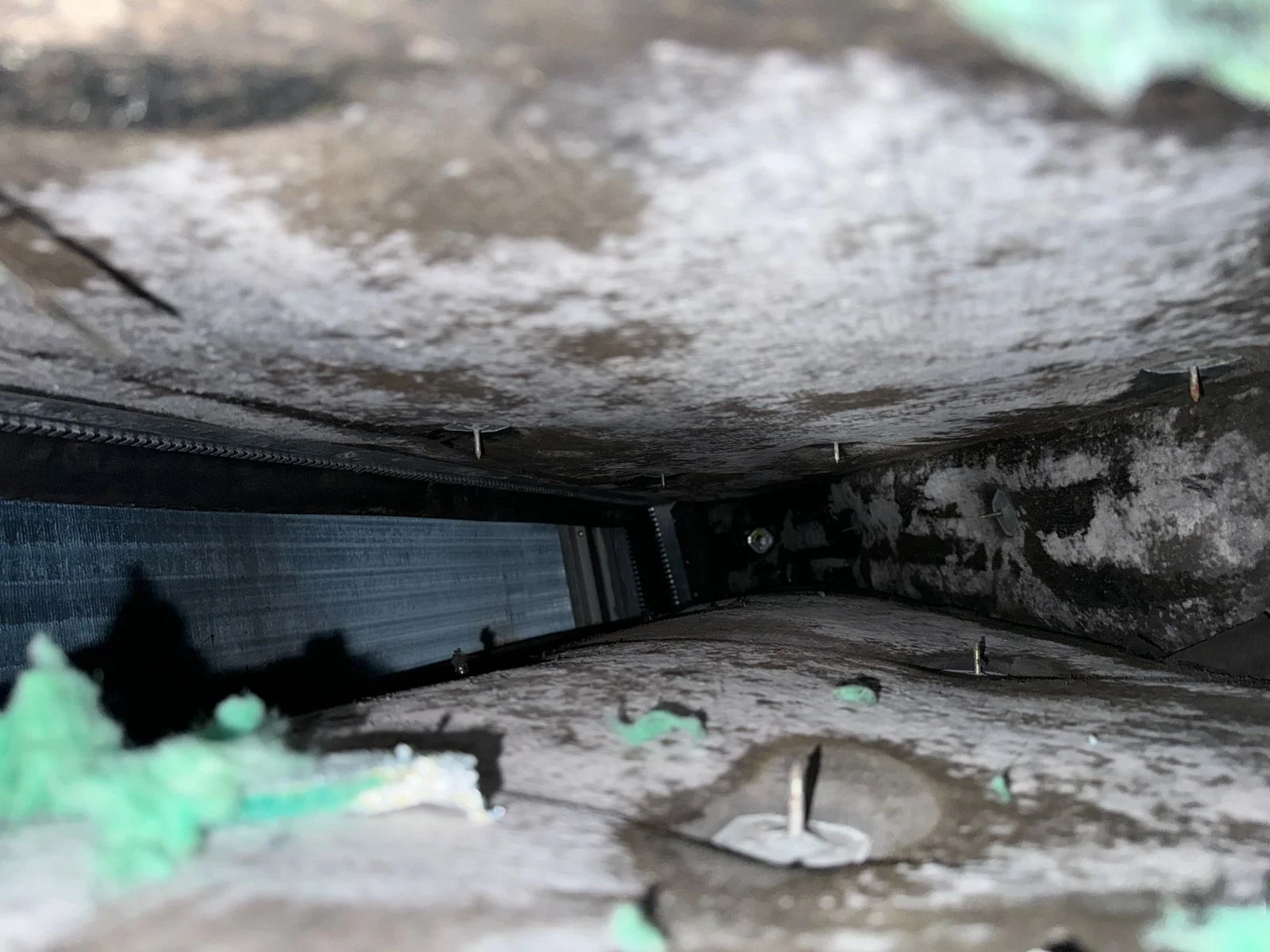
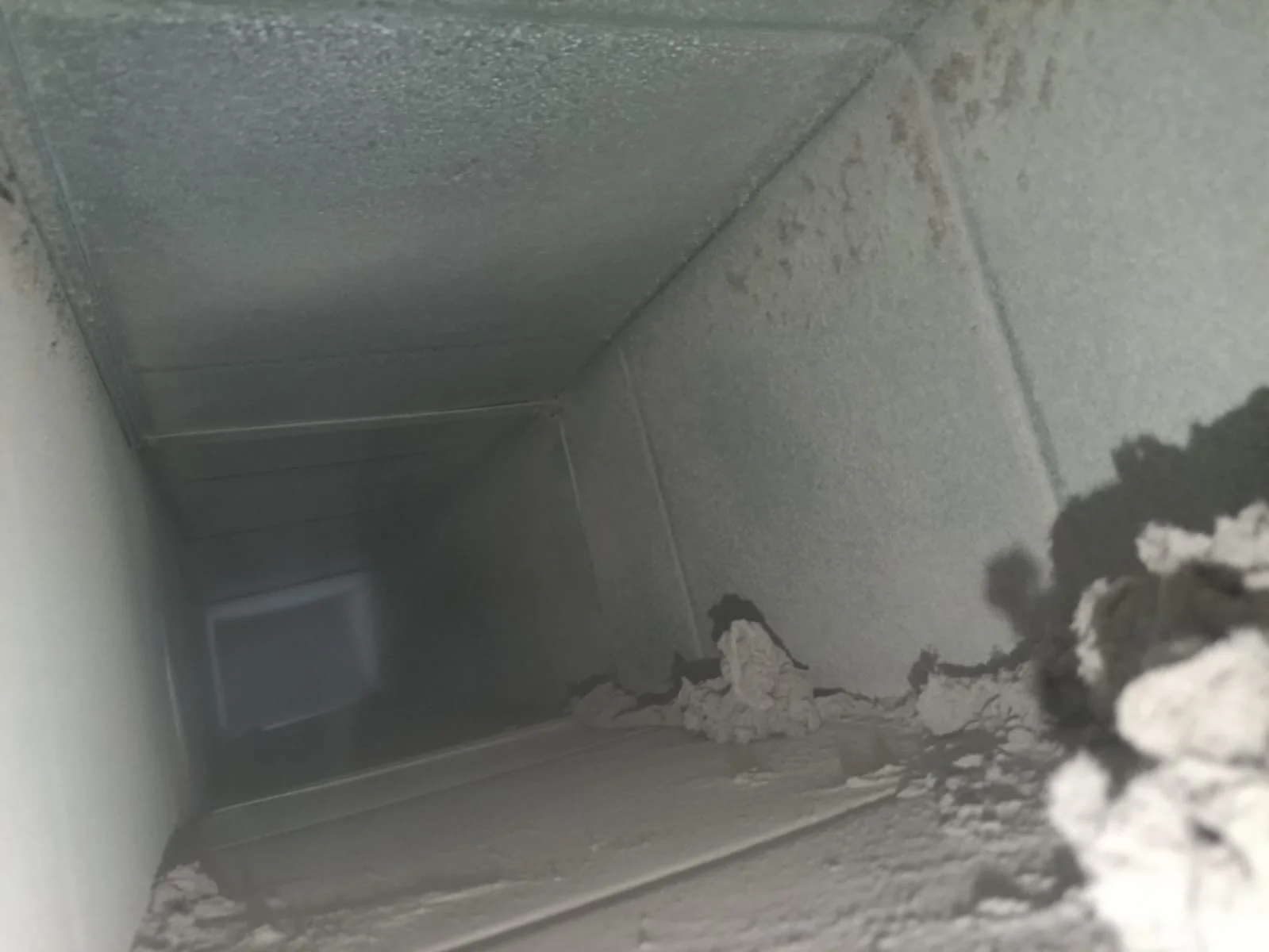
Not all mold is visible. Hidden mold grows inside wall cavities, behind tiles, under flooring, inside AC ductwork, and in ceiling voids — producing spores and MVOCs without any visible evidence. Warning signs of hidden mold include: persistent allergy-like symptoms that worsen indoors, unexplained humidity spikes in specific rooms, condensation on windows or cold surfaces, and recurring musty odours with no visible source. Professional thermal imaging and air quality testing are the definitive methods for confirming hidden mold.
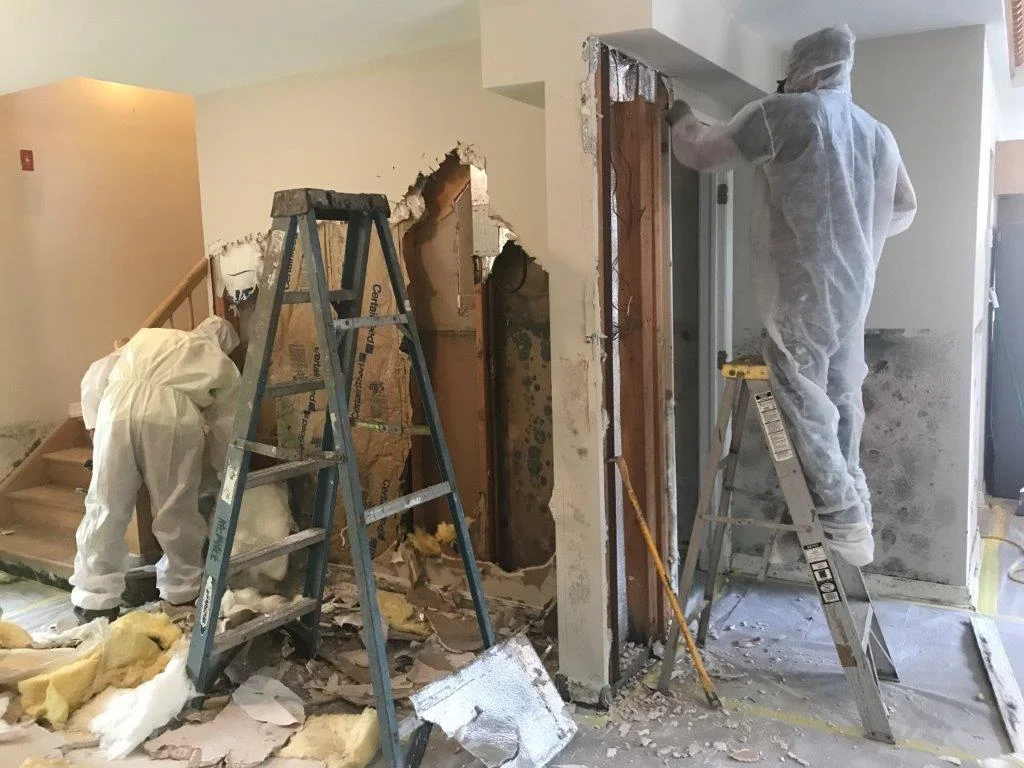
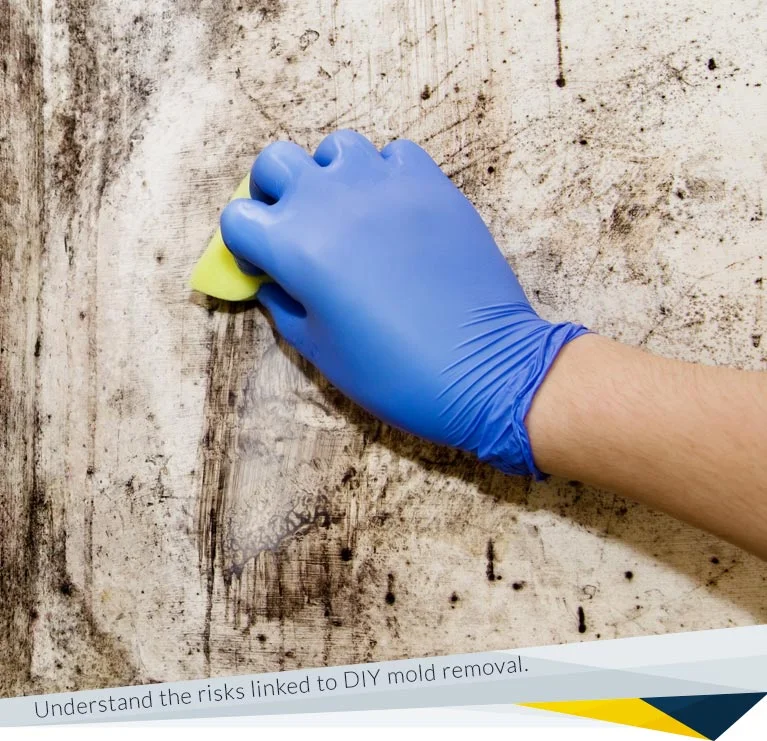
If visible mold covers an area larger than 30 cm × 30 cm, if mold keeps returning after cleaning, if you suspect hidden mold behind walls or in HVAC systems, if occupants are experiencing health symptoms, or if the property has had a water leak or flooding event — professional assessment is recommended. DIY cleaning treats the surface but does not address the moisture source, which means mold will return.
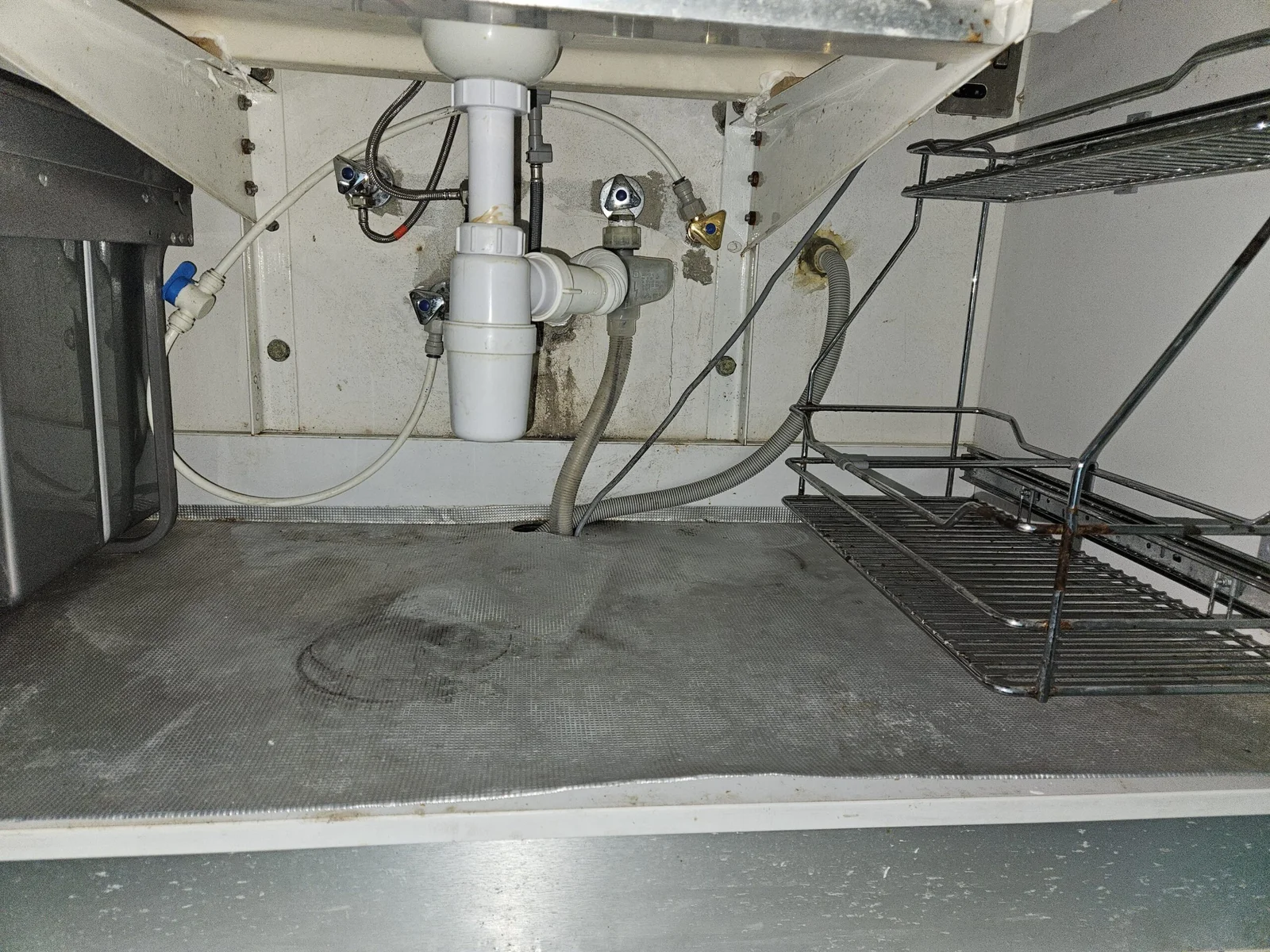
Repair any plumbing, roof, or AC condensate leaks within 24 hours. Water that sits for more than 48 hours on any organic surface in Dubai's temperatures will initiate mold growth. Check under sinks, behind toilets, around water heaters, and at AC drain pan connections regularly.
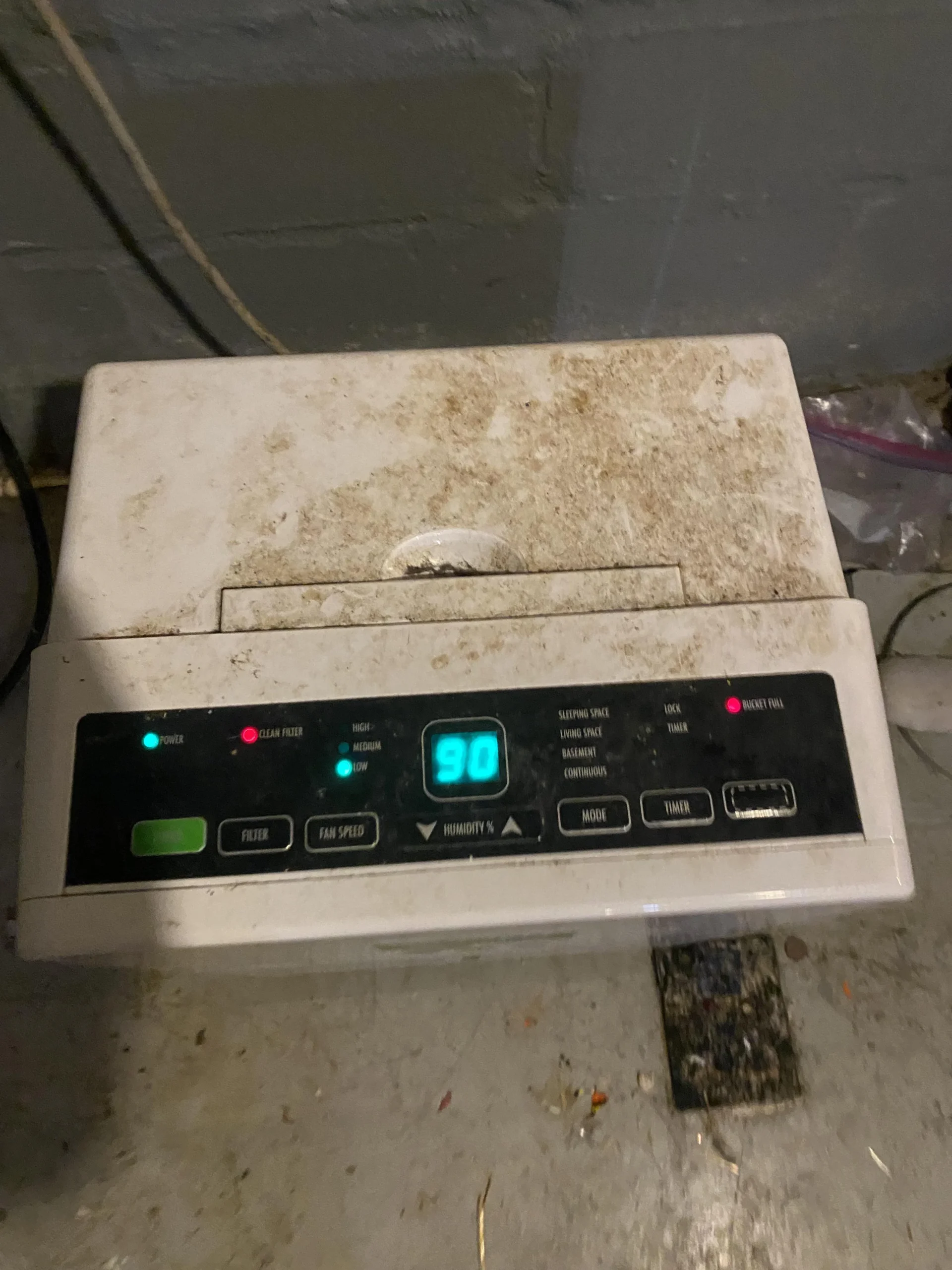
Use a dehumidifier in rooms where humidity consistently exceeds 60%. Monitor with a digital hygrometer — available for under AED 50. In Dubai, bedrooms with windows on external walls and bathrooms without exhaust fans are the highest-risk rooms for elevated humidity.
Run bathroom exhaust fans during and for 30 minutes after showers. Open kitchen hood vents when cooking. Ensure AC fresh air dampers are open — not closed for energy saving. Never block or seal AC supply or return grilles. Stagnant air is mold's best friend.
Check bathrooms, under kitchen sinks, behind washing machines, inside wardrobes on external walls, around window frames, and at AC drain connections at least monthly. Early detection of a small moisture issue prevents a large mold remediation project.
In bathrooms and wet areas, use mold-resistant drywall (green board or cement board), mold-resistant paint, and silicone-based grout sealant. When renovating in Dubai, specify moisture-resistant materials for all areas adjacent to external walls — the condensation risk zone.
Schedule professional AC servicing every 6 months — including coil cleaning, drain pan inspection, and filter replacement. Dirty coils and clogged drain pans are the #1 source of mold in Dubai apartments. A neglected AC system circulates mold spores through every room it serves.
After any water event — spill, leak, condensation, or flooding — dry the affected area completely within 24 hours. Use fans, dehumidifiers, and towels. Remove and discard any porous materials (carpet, drywall, insulation) that cannot be fully dried within the timeframe.
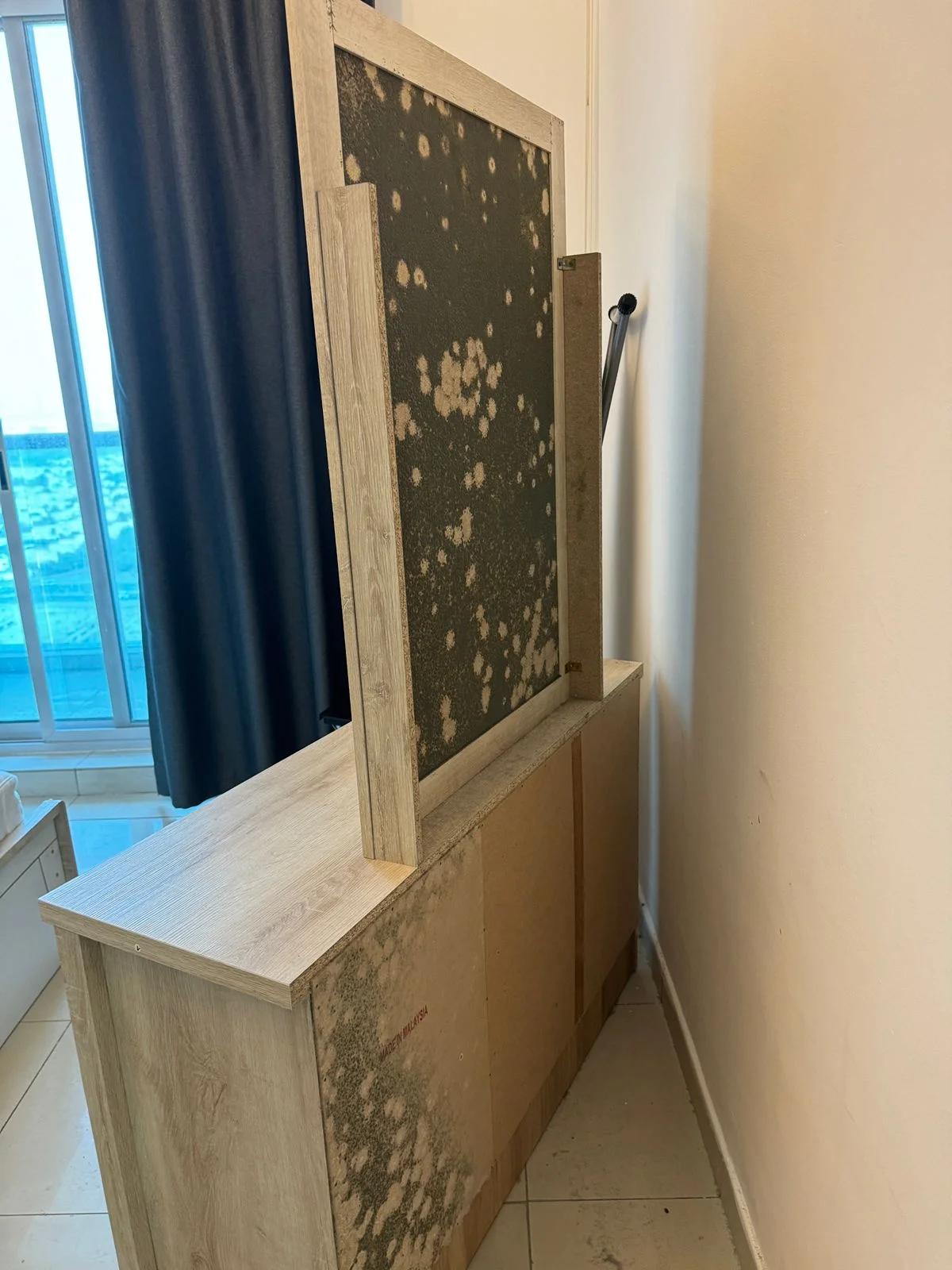
In Dubai apartments, maintain at least 5–10 cm gap between furniture and external walls. External walls are the coldest surfaces in an air-conditioned room and the most likely location for condensation. Pushing furniture directly against them traps moisture and creates the perfect hidden mold environment.
The science behind mold: fungi biology, spore dispersal, and why Dubai properties are especially vulnerable
Read Guide →Temperature, humidity, and food sources — understand the exact conditions that allow mold to colonise your home
Read Guide →25 proven prevention strategies for Dubai apartments and villas — stop mold before it starts
Read Guide →The health effects of mold exposure — symptoms, at-risk groups, and when to act
Read Guide →Stachybotrys chartarum: Dubai's most feared mold explained — identification, toxicity, and safe removal
Read Guide →Often mistaken for salt deposits or dust — how to identify white mold and why it matters
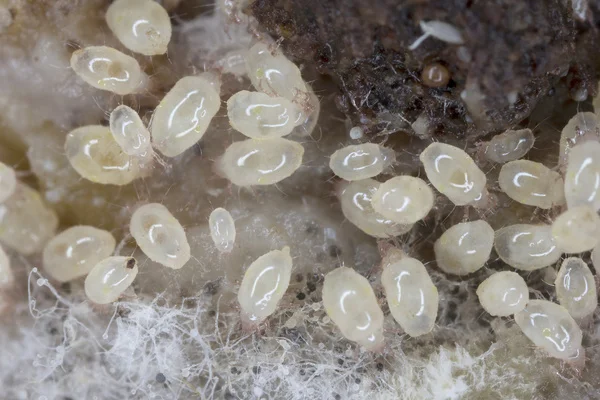
Read Guide →Mold mites are microscopic insects that thrive in damp environments where mold and fungi grow.
Read Article →Mold is a natural part of the environment, but when it invades homes or workplaces, it can produce dangerous substances known as mycotoxins.
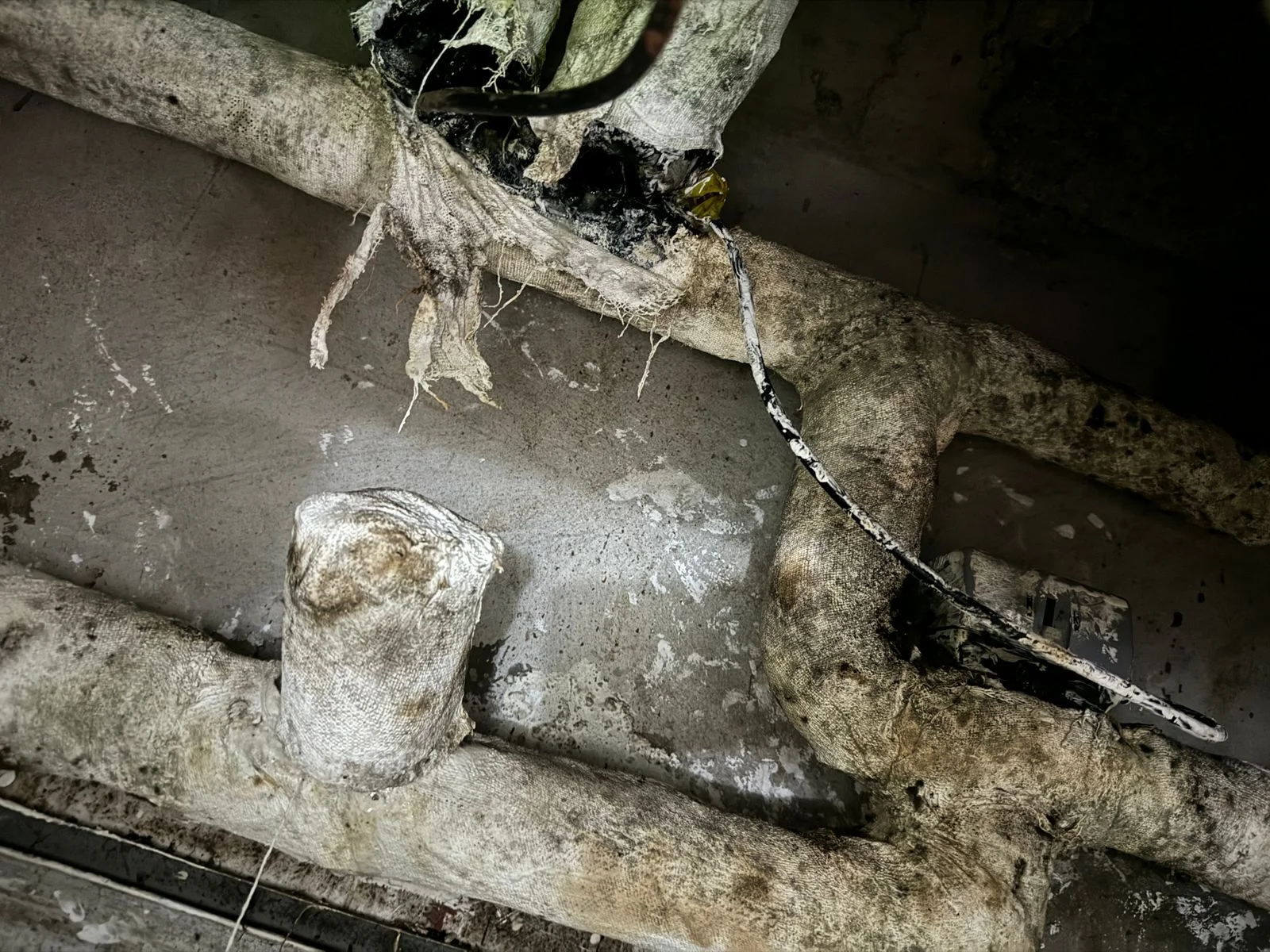
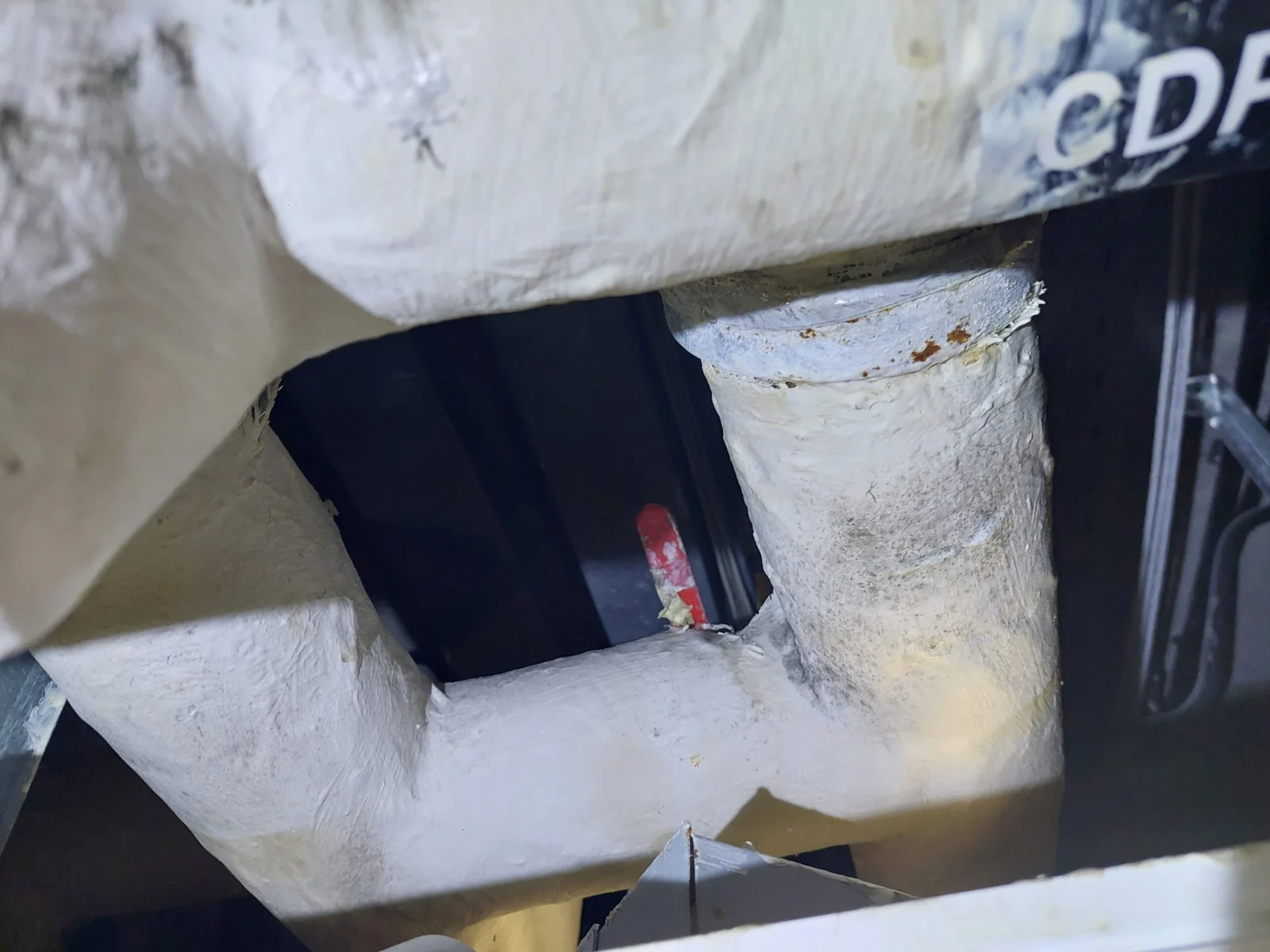
Read Article →Poor insulation on chilled water lines can significantly contribute to mold growth in buildings.
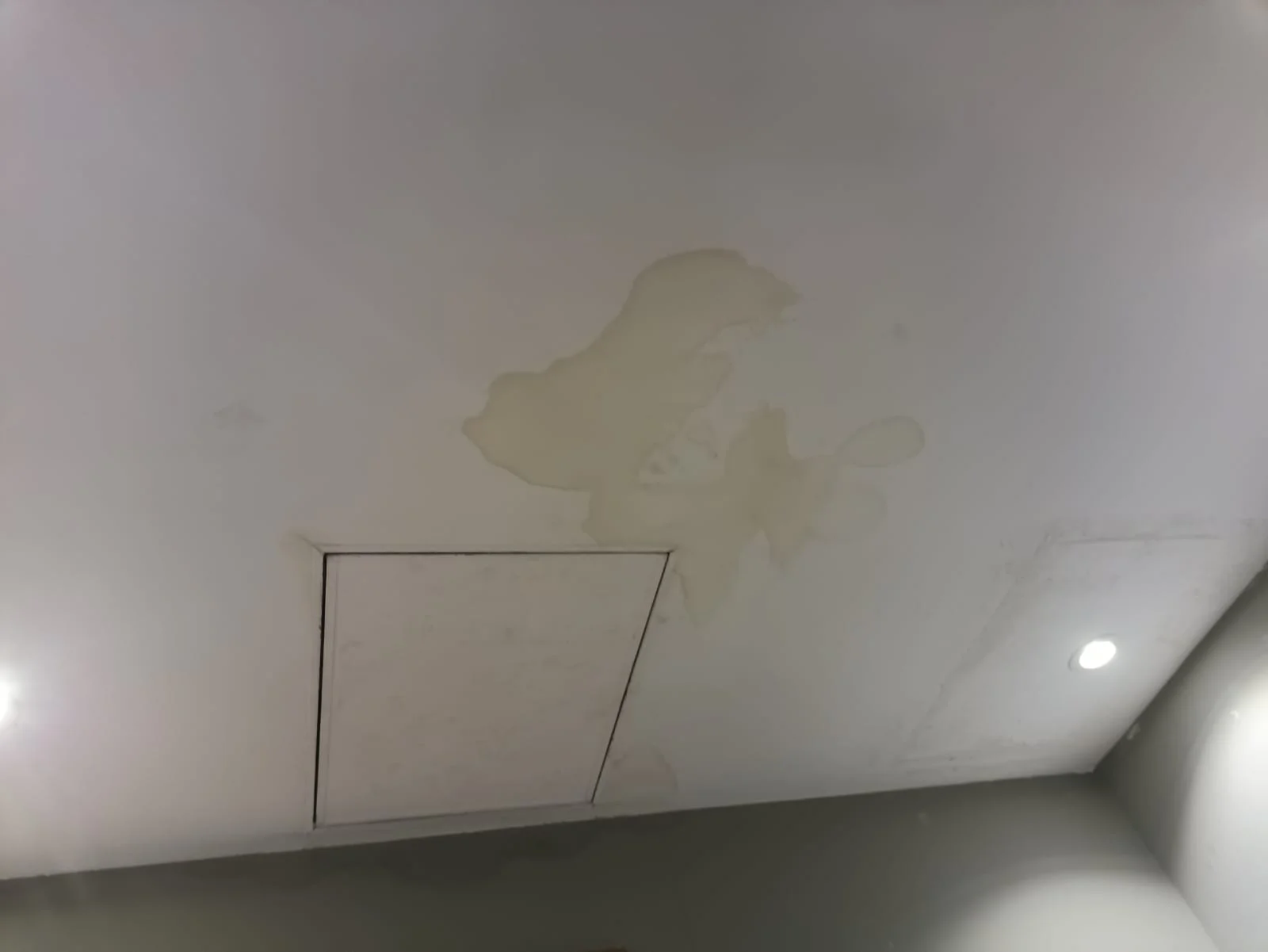
Read Article →Mold growth on gypsum ceilings is often caused by moisture, humidity, and inadequate ventilation.
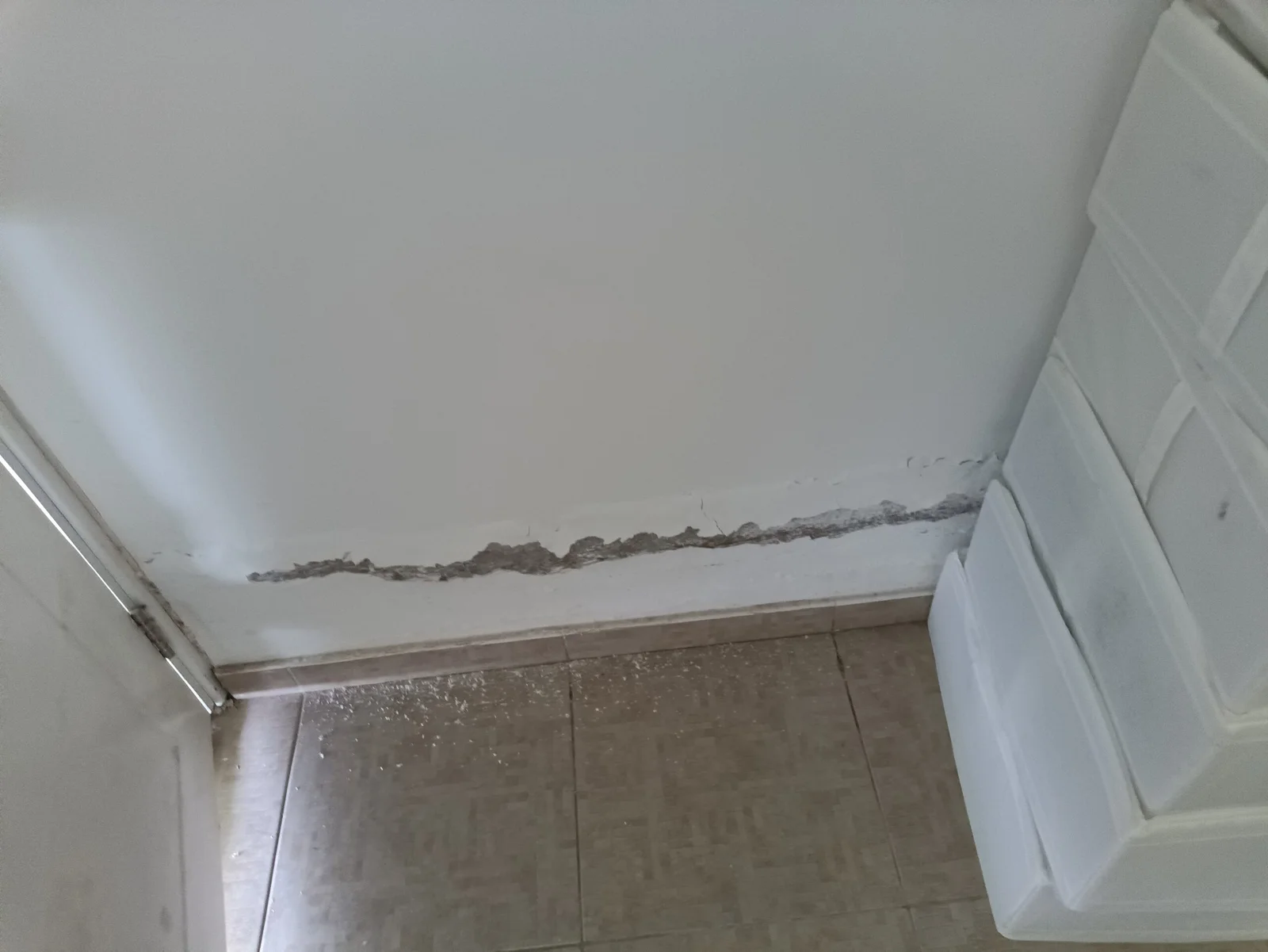
Read Article →Delaminating paint on walls without apparent leaks can result from several underlying causes.
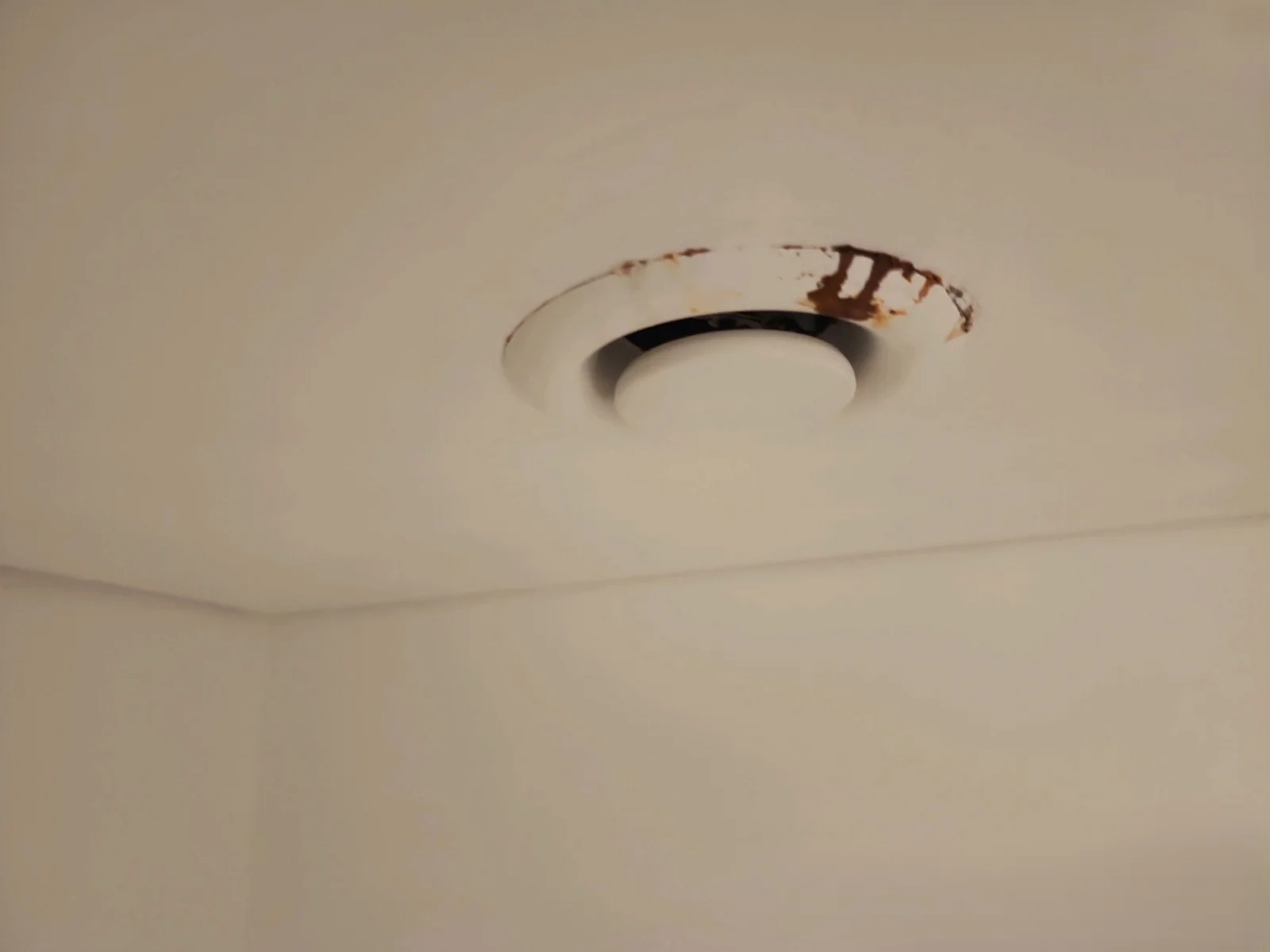
Read Article →Rust occurs when metal reacts with moisture and oxygen, so alternative sources of moisture should be considered.
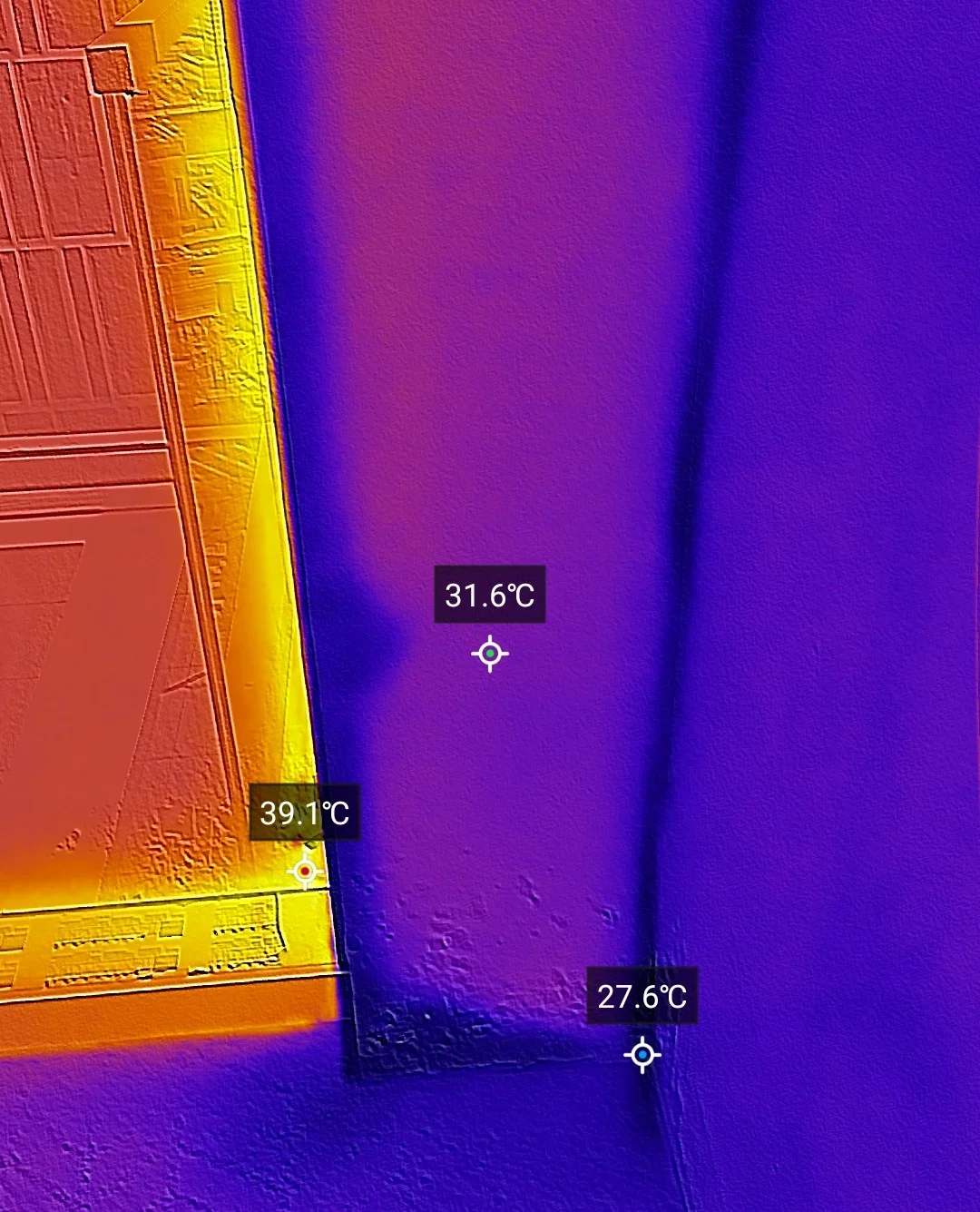
Read Article →Thermography uses infrared cameras to capture heat patterns, enabling detection of temperature variations.
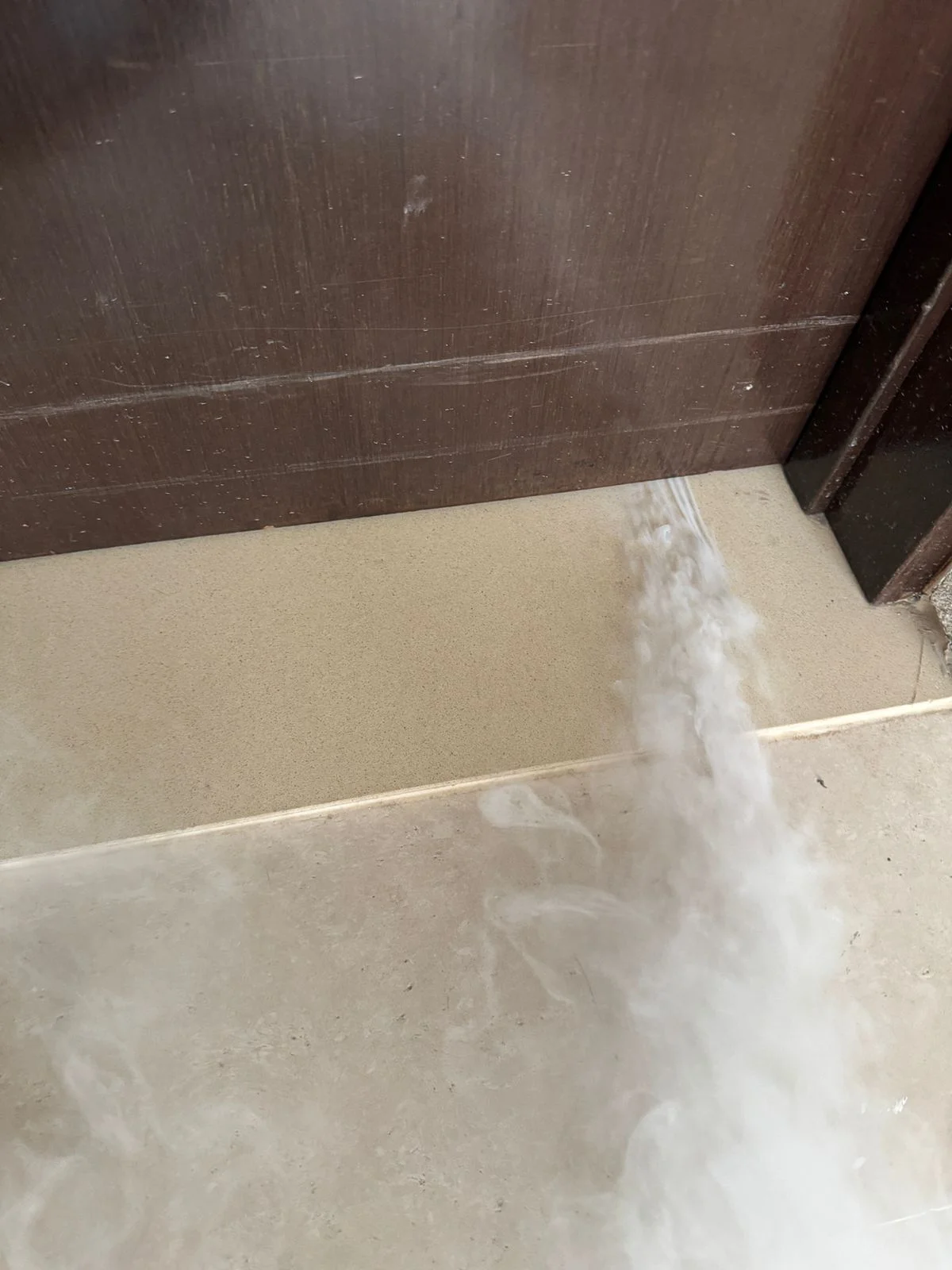
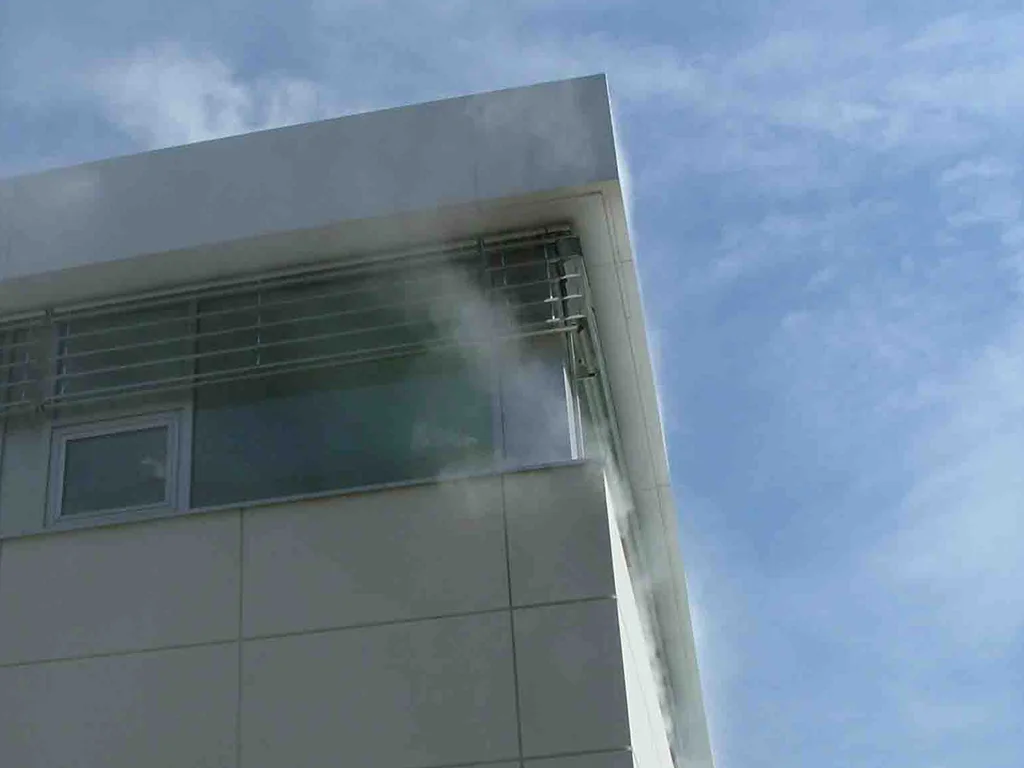
Read Article →Smoke leak testing identifies air leaks and ensures proper airflow within HVAC systems.
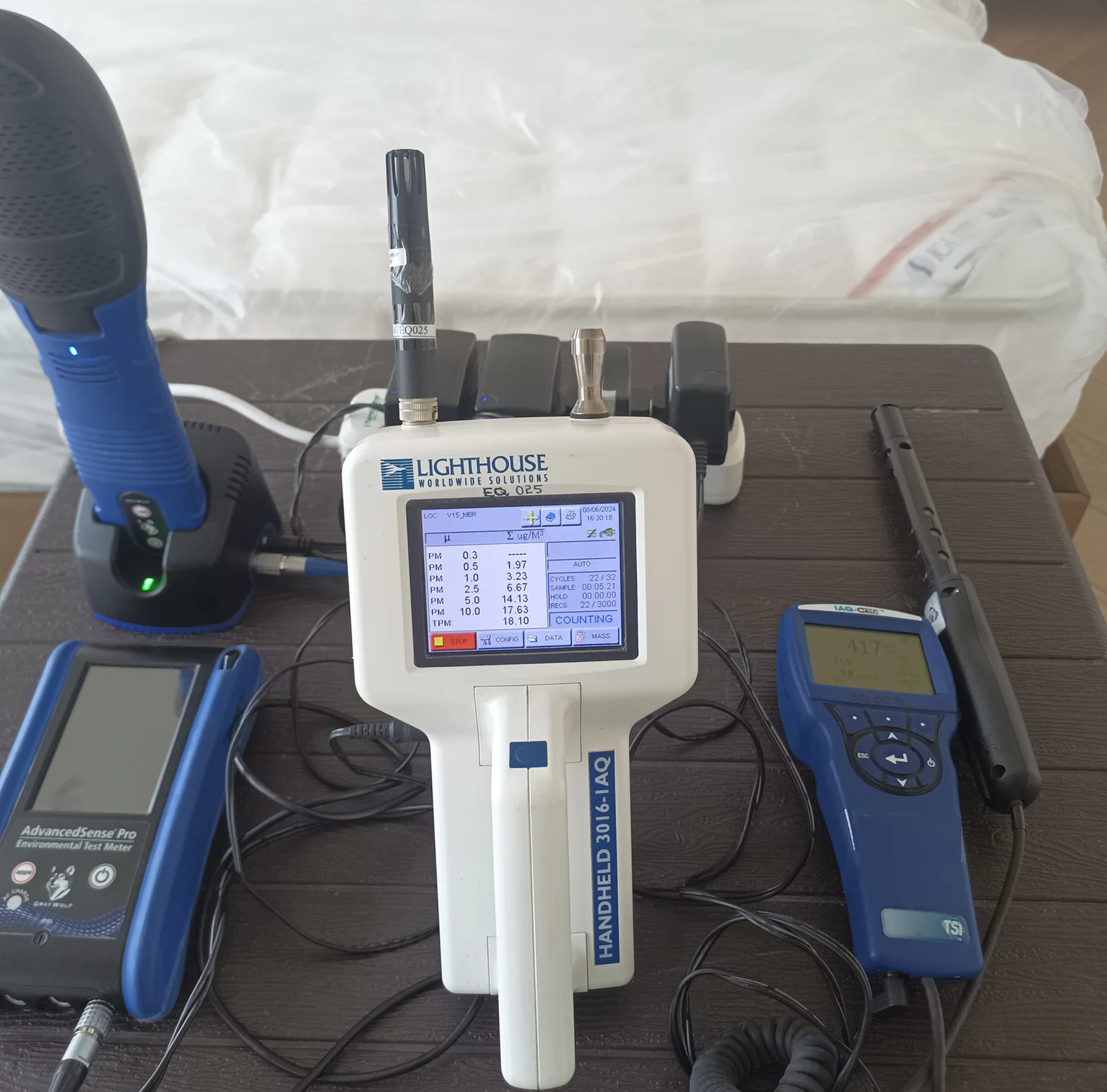
Read Article →Indoor air quality plays a crucial role in maintaining a healthy and productive work environment.
Read Article →Mold growth in commercial buildings affects both occupant health and structural integrity.
Read Article →A building envelope is the physical barrier between interior and exterior, designed to control moisture.
Read Article →Thermal comfort refers to the state in which a person feels neither too hot nor too cold.
Read Article →Temperature differences despite AC running can be caused by several factors including poor air circulation.
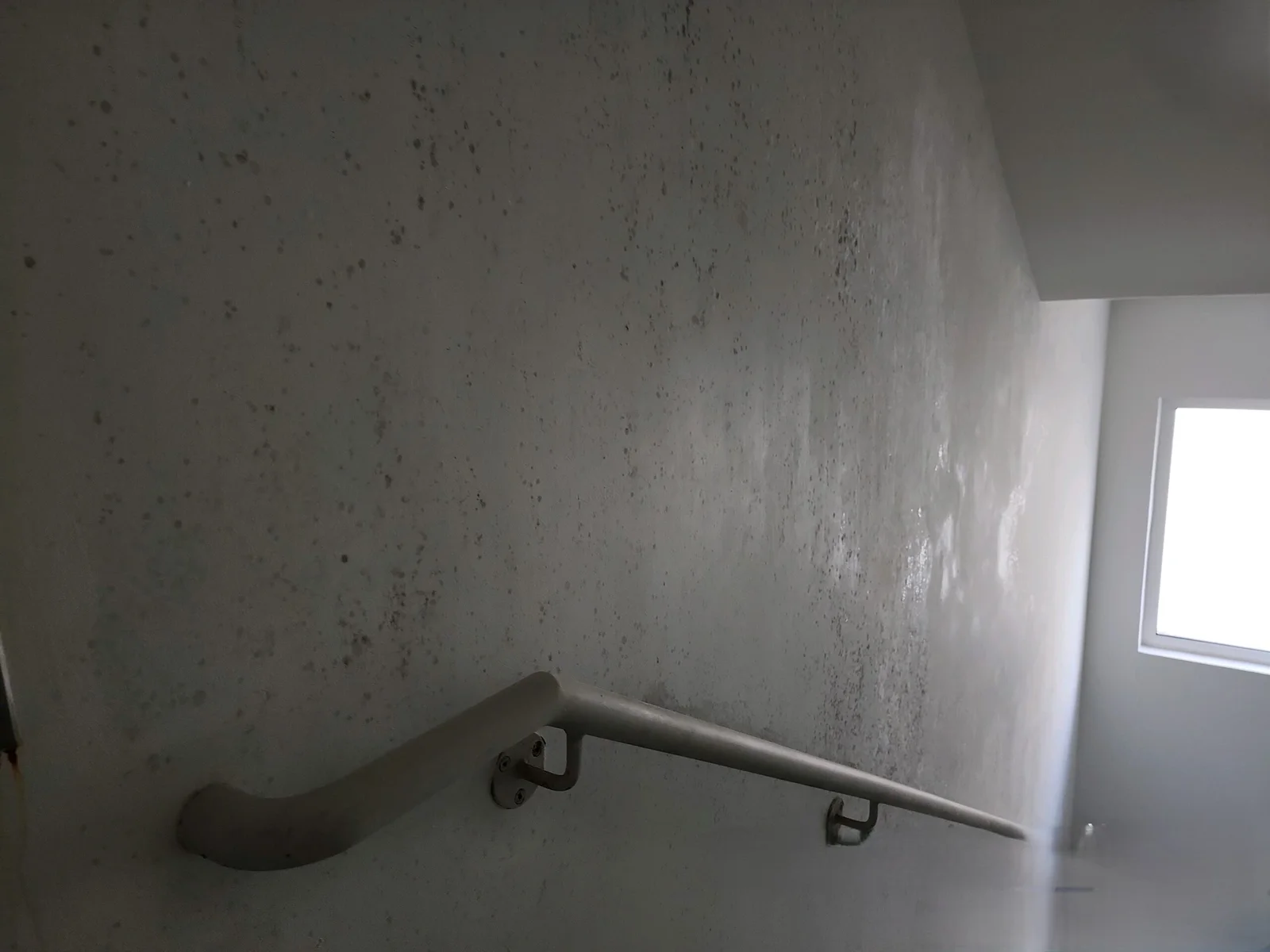
Read Article →Heavy mold growth in stairwells can be caused by several factors that contribute to moisture buildup.
Read Article →A Fresh Air Handling Unit brings in outdoor air while maintaining indoor air quality.
Read Article →Pressure differentials refer to air pressure differences between adjacent spaces.
Read Article →Windows can be an overlooked moisture source when not properly sealed.
Read Article →Many homeowners make the mistake of turning off air conditioning while away.
Read Article →Turning off AC during the day can have both positive and negative impacts on mold growth.
Read Article →A dehumidifier, when used correctly, should not contribute to mold growth.
Read Article →If you have installed a dehumidifier but the humidity is still high, there could be a few reasons.
Read Article →BRI refers to health conditions directly linked to environmental factors in a building.
Read Article →SBS is a condition in which occupants experience symptoms linked to time spent in a building.
Read Article →Mold growth can begin in as little as 24 to 48 hours after the presence of moisture.
Read Article →Seeing water droplets on your AC grills may indicate underlying issues with your AC system.
Read Article →Keeping windows open can have both positive and negative effects on indoor air quality.
Read Article →Recurring mold problems can be frustrating, unhealthy, and damaging to your home.
Read Article →Mold is a persistent and often hidden problem in homes and buildings.
Read Article →Mold growth in wardrobes is more common than you might think.
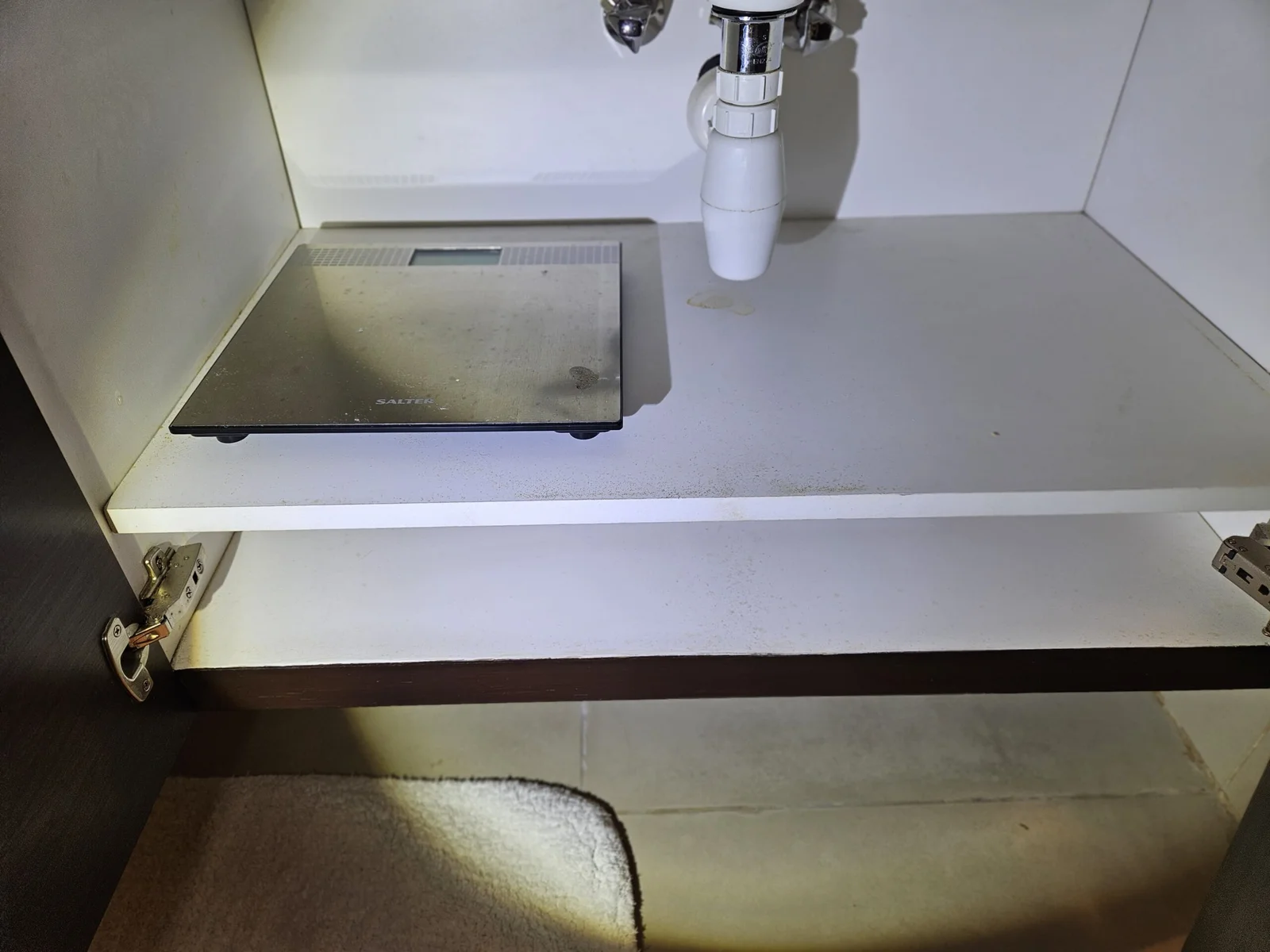
Read Article →Have you noticed an unpleasant odor coming from your kitchen sink cabinet?
Read Article →A smelly bathroom cabinet can be an unpleasant surprise.
Read Article →Dampness in buildings is more than just a structural issue.
Read Article →Mold growth is a common issue in homes, especially in areas with high humidity.
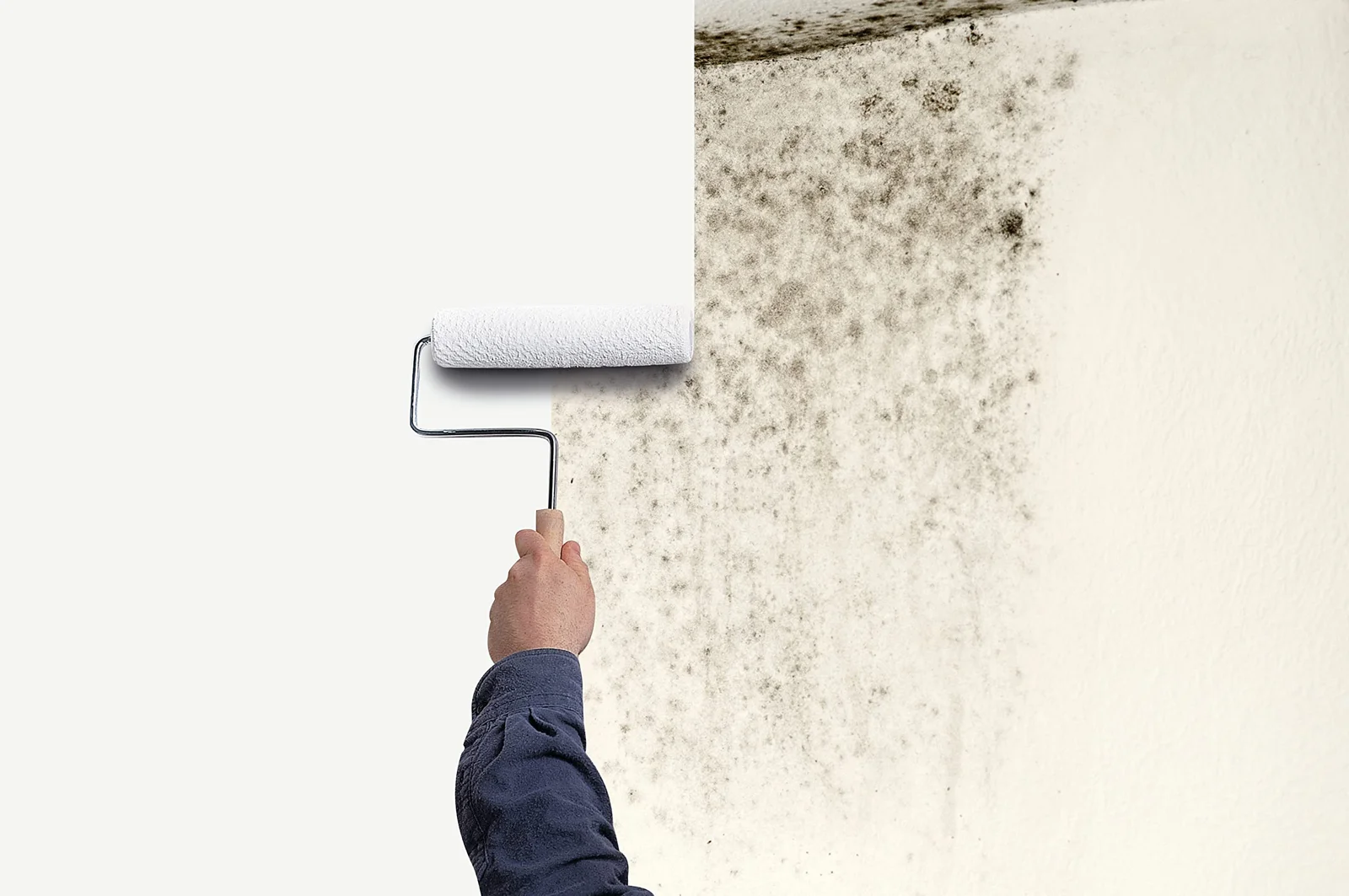
Read Article →When homeowners discover mold, the first instinct may be to cover it up with paint.
Read Article →Mold growth on a gypsum ceiling is a common issue in many homes.
Read Article →Mold is more than just an unsightly issue in your home.
Read Article →Mold growth often thrives in hidden or hard-to-reach areas.
Read Article →Mold growth in homes can quickly become a serious problem.
Read Article →Mold growth in your home can be more than just a cosmetic issue.
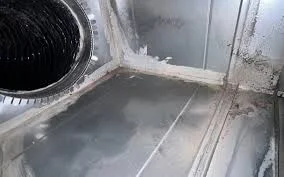
Read Article →Mold growth in your air conditioning ducts can be a hidden menace.
Read Article →Black mold is one of the most feared types of mold due to its potential health risks.
Read Article →Mold growth in homes is a common issue that can lead to significant damage.
Read Article →Mold can grow in your home or business without you even realizing it.
Read Article →Mold is more than just an unsightly nuisance; it can pose serious risks to your health.
Read Article →Mold is a common problem in many homes and buildings.
Read Article →Mold exposure can lead to a variety of health issues.
Read Article →When it comes to maintaining a safe, healthy environment, mold inspections are crucial.
Read Article →Mold inspection is a vital process for identifying and assessing the presence of mold.
Read Article →Mold growth in your home can lead to various problems.
Read Article →Mold growth in the home is a common problem, but it can be prevented.
Read Article →Mold exposure is more than just a nuisance — it can have significant health implications.
Read Article →Black mold has garnered a reputation for being one of the most dangerous types.
Read Article →Mold is a common problem that can thrive in your home if conditions are right.
Read Article →Mold can be a hidden and dangerous problem in many homes.
Read Article →The terms mold and mould both refer to the same organism, a type of fungus.
Read Article →If you are concerned about mold exposure, understand the symptoms and signs.
Read Article →Yes, mold can recur after remediation if underlying conditions are not addressed.
Read Article →Waterfront areas are naturally more susceptible to mold.
Read Article →Apartments tend to be more prone to mold growth than villas.
Read Article →Mold can cause significant health risks and structural damage.
Read Article →Mold growth in a commercial property can have serious consequences.
Read Article →Bathrooms are a prime spot for mold growth.
Read Article →Mold is a common problem in areas prone to high humidity.
Read Article →Mold growth can be a serious issue in your AC system.
Read Article →Mold problems in your home can be more than just unsightly.
Read Article →For children, mold can pose serious health risks.
Read Article →Mold can pose serious health risks beyond being unsightly.
Read Article →One area often overlooked for air quality is the air ducts.
Read Article →Mold is more than just an unsightly problem in your home.
Read Article →Mold is not just a problem for homeowners — it can be serious for businesses.
Read Article →Mold in your home requires swift and effective action.
Read Article →When you discover mold, your first instinct might be to handle it yourself.
Read Article →Mold in your home can be a serious concern for your family.
Read Article →Your home is meant to be a safe haven for relaxation and comfort.
Read Article →Purchasing a home is a significant investment requiring safety assurance.
Read Article →Mold is a common and persistent issue, especially in humid areas.
Read Article →Mold is a common problem, especially in areas with high humidity.
Read Article →Mold is a persistent issue, thriving in humid, damp environments.
Read Article →Mold is a common problem, and while it might not always be visible, there are key signs.
Read Article →Mold spreads within 24–48 hours in Dubai's humidity. Whether it is your home, office, or commercial space — our inspectors will assess the property, document findings, and provide a fixed written quote.
Tell us about your mold issue and we’ll arrange a mold consultation within 24 hours. No sales pressure — just honest expert advice from Dubai’s most certified mold team.